


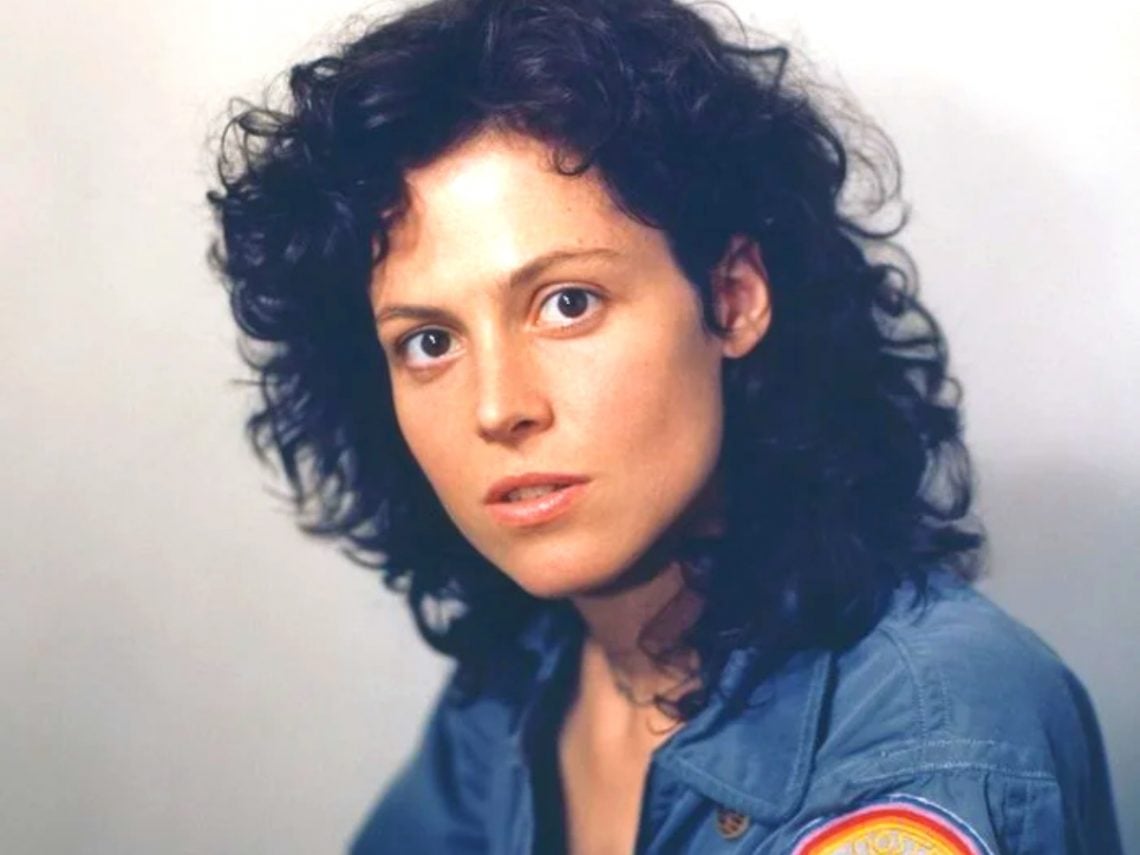
How Ellen Ripley stopped Sigourney Weaver from making bad career choices

It’s easy to forget, given that her third-ever appearance in a feature film turned Sigourney Weaver from a relatively unknown to an instant superstar. However, she made her theatrical debut in Woody Allen’s ‘Best Picture’ and ‘Best Director’ winner Annie Hall in 1979, appearing fleetingly as Alvy Singer’s date at the theatre.
Next up was the revenge thriller Madman before she was off to the races after bringing the unforgettable Ellen Ripley to life in Alien. In addition to being one of the greatest movies ever made in either the sci-fi or horror genres, Ridley Scott’s seminal haunted house film in space would also lay the groundwork for the next decade and beyond of Weaver’s career.
In a lot of cases, the female lead of a well-received hit would be inundated by offers to play love interests or romantic objects of affection or play thinly veiled reprisals of their breakout part to see if lightning would strike twice. Of course, Ripley wasn’t that kind of character to begin with, never mind Weaver’s statuesque figure that sees her standing almost six feet tall.
As the actor said herself to Another when reflecting on her career: “The only thing Ripley kept me from doing was love stories… I was a little too intimidating for a lot of producers who wanted a tiny, blonde, blue-eyed girl.” Fortunately, that proved to be to her immense benefit.
Just ten years after Alien, Weaver was among the most sought-after, acclaimed, and respected talents of her generation, notching no shortage of success and recognition for a variety of parts. Only one of them could be described as Ripley-esque, and that was obviously in James Cameron’s Aliens, which in turn saw her land the first Oscar nomination of her career as ‘Best Actress’.
Beyond that, she was nominated twice in the same year in the ‘Best Actress’ and ‘Best Supporting Actress’ categories for Gorillas in the Mist and Working Girl. She didn’t win either, but she did win Golden Globes for both, becoming one of the exceedingly rare names to be shortlisted for two trophies at the same ceremony and walk away with both of them under her arm.
Neo-noir thriller Eyewitness, sweeping romantic epic The Year of Living Dangerously opposite Mel Gibson, politically-tinged erotic thriller Half Moon Street, and an intensely physical and ferociously committed dual turn as Dana Barrett and Zuul in blockbuster comedy Ghostbusters had launched her into the stratosphere by the end of the 1980s, and she’d managed to do it without being portrayed as an archetypal damsel in distress or one-note romantic partner who only exists to be pursued by the male lead.
Weaver may have tried to play down the comparisons by saying, “I’m no Ripley”, before offering that she wasn’t entirely convinced she’d be capable of pulling it off: “I had doubts that I could play her as strongly as she needed to be played. But I must say that it was fun exploring that side of myself. Women don’t get to do that very often.” Based on her track record in the immediate aftermath, she even ended up blazing a trail for well-written, fully-realised female characters who were more than capable of headlining major productions in the action, thriller, and sci-fi genres.
That’s not to say Weaver’s career stagnated, fell flat, or withered away once she reached the 1990s and beyond, but her phenomenal form from Alien to Working Girl was virtually flawless, and she did it while actively avoiding several boxes that Hollywood still tries to stuff its brightest new stars into.
