


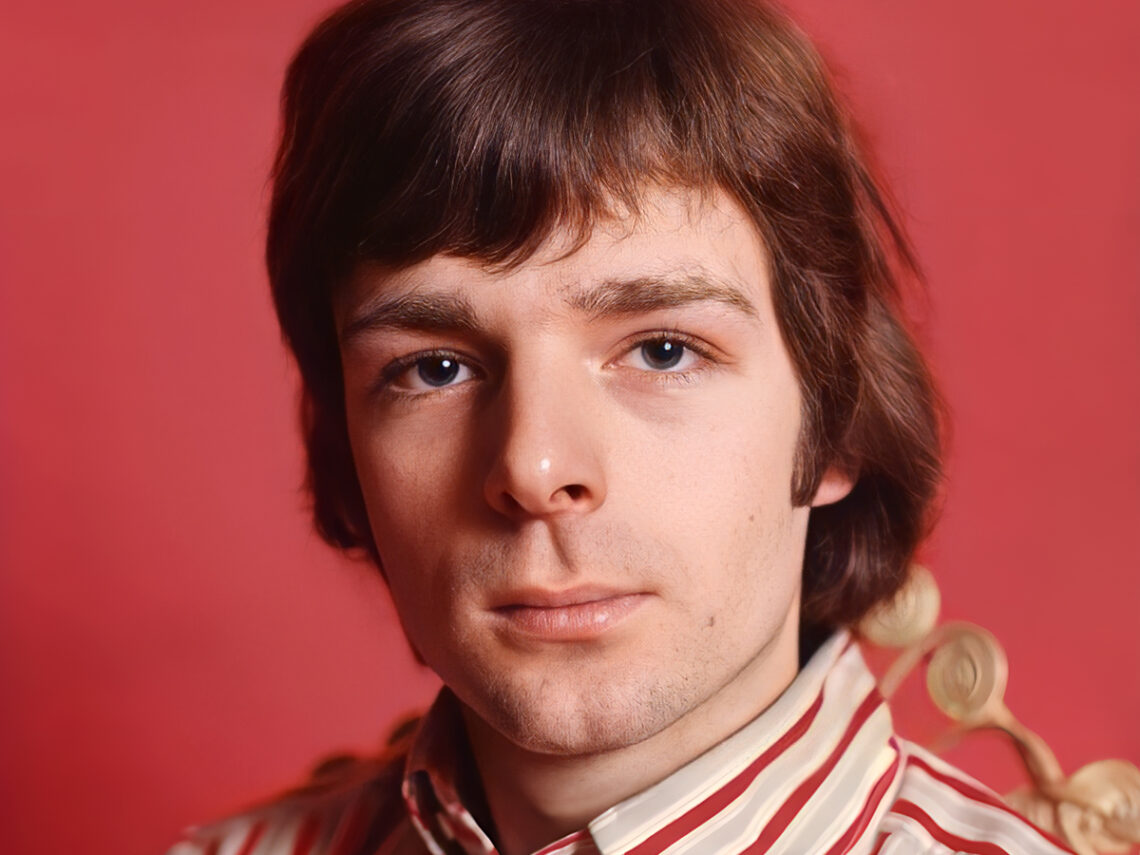
Richard Wright’s all-time musical hero: “Our first choice”

Given how unique their approach to creating music was, it’s hard to exactly pin down where the majority of Pink Floyd’s influences stemmed from, especially in their earlier years, where there’s very little that seems to connect them to other contemporary acts.
Named after two blues musicians, Pink Anderson and Floyd Council, you’d assume that blues would have had some sort of impact on the four founding members of the group, although very little about their earliest recorded material would suggest this. Take one listen to a track like ‘See Emily Play’ or even ‘Astronomy Domine’, and there’s very little that links them to blues music, even on the most tangential of levels.
They had, however, certainly started in this area, with their performances up until 1966 taking on a far more blues-oriented sound than their recorded material did. After they began courting attention for the early singles that had less of an influence, they rapidly moved onto more expansive works, citing a desire to make their sound considerably more psychedelic and adventurous in nature.
Since psychedelia hadn’t exactly existed for long prior to the mid-1960s, and was only just beginning to find an audience in the UK when Pink Floyd made their transition towards this style, their influences had to have been coming from elsewhere, but who exactly would they have been looking up to?
There were, of course, some other artists pushing the boat out in this regard around the same time, some of whom would assert themselves as truly era-defining artists, such as Jimmy Page and Eric Clapton, but neither of them exactly stick out as prime examples of guitarists who would have been of significant interest to the band.
The one who stuck out to Pink Floyd, and especially keyboard player Richard Wright, was a former colleague of Page and Clapton in Jeff Beck, a guitarist known for his stylistic innovations and ability to flit between disparate styles, spanning blues, rock, jazz fusion and more in his work.
In a 1996 interview with Record Collector, Wright proclaimed that Beck was in a league of his own on the instrument and noted that even his more recent works, such as his 1989 album, Jeff Beck’s Guitar Shop, showed that he was still an innovator far into his career.
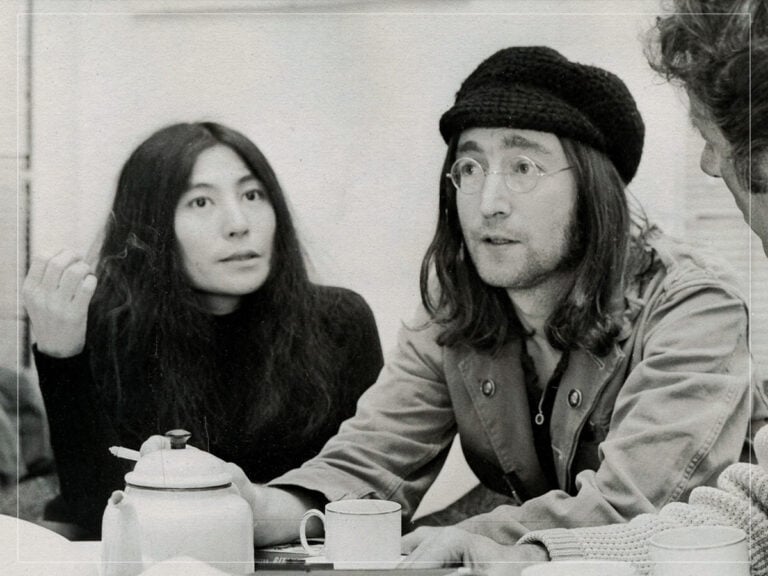


“As far as rock guitarists go, Beck’s got to be my all-time hero,” he argued. “He started as a blues guitarist just like Clapton, but he’s investigated the possibilities of the instrument much more.”
He then went on to share a lesser-known nugget of information about just how much he impressed the rest of Pink Floyd, claiming: “You probably won’t know this, but when Syd [Barrett] left Pink Floyd we actually asked Jeff Beck to join, he was our first choice.”
It’s hard to see how he’d have been able to fit in, especially alongside someone as expressive as David Gilmour, assuming that this was after he’d temporarily been inducted as the fifth member of the group, but it’s also quite clear why someone as diverse in his talents would be so appealing to them. Even a one-off collaboration between the two parties would have been a sumptuous affair, but evidently it wasn’t to be.
