



Paul Rodgers knew The Firm were always doomed to fail in the 1980s

Paul Rodgers and Jimmy Page formed The Firm during pivotal moments of their lives when they were both in desperate need of something new to spark a fuse within them.
In the case of Page, he had lost all sense of direction following the demise of Led Zeppelin, and Rodgers had also found himself at an unwanted loose end after the end of Bad Company, putting them both in a similar predicament.
At first, they formed a close bond because of how similar their situations were, both facing an intense period of stagnation and writer’s block without really knowing whether they’d make it out of the other side. Page, especially, was in dire need of another project to sink his teeth into, particularly because of the circumstances surrounding Led Zeppelin’s split. They hadn’t come to a natural end, but were prematurely forced into a black hole following the death of John Bonham.
As a result, Page wasn’t just grief-stricken in every way you could be after losing a close friend; he’d also completely lost his creative motivation, unsure of pretty much everything career-wise except that he still wanted to make music. For a good handful of years, Page remained in this strange sort of limbo, appearing at a few gigs here and there before finding the answer beside Rodgers.
Forming the Firm
When the two formed The Firm, the basic principle was to simply make music together. The band, which also featured ex-Uriah Heep’s Chris Slade and ex-Roy Harper bassist Tony Franklin, was built around little more than Page’s desire to “get out and play and just really enjoy ourselves”.
It was an opportunity for Page to pull himself out of his own darkness and back into the game with one of the only musicians he felt comfortable with at the time. To some extent, they were part supergroup and part pub band. They knew this from the start. They were proud of it, in fact. But in a commercial sense, pubs were out in the ’80s and wine bars were in.
Their only two records – The Firm and Mean Business – weren’t exactly groundbreaking, regardless of the era, and certainly not up to the standards that Page and Rodgers had previously set for themselves. While both Firm records were filled with original material and a following tour that carried no real trace of their former bands, some songs still carried many of the same familiar sounds and styles.

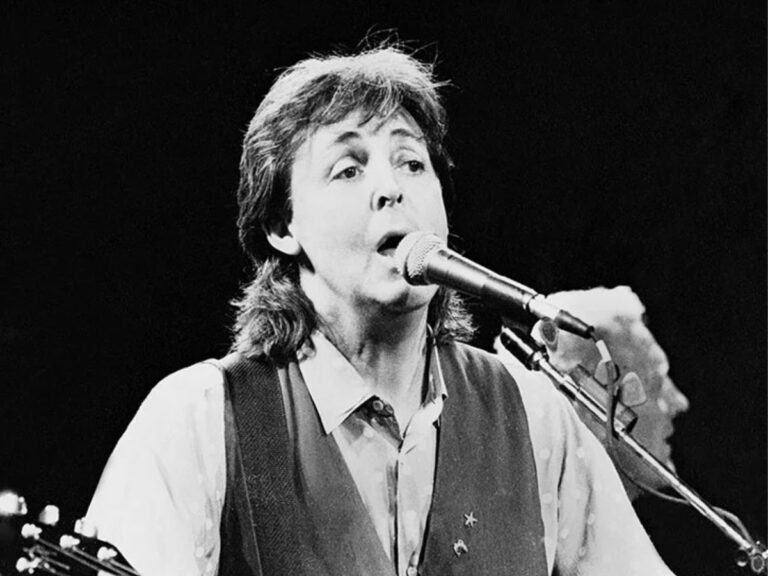
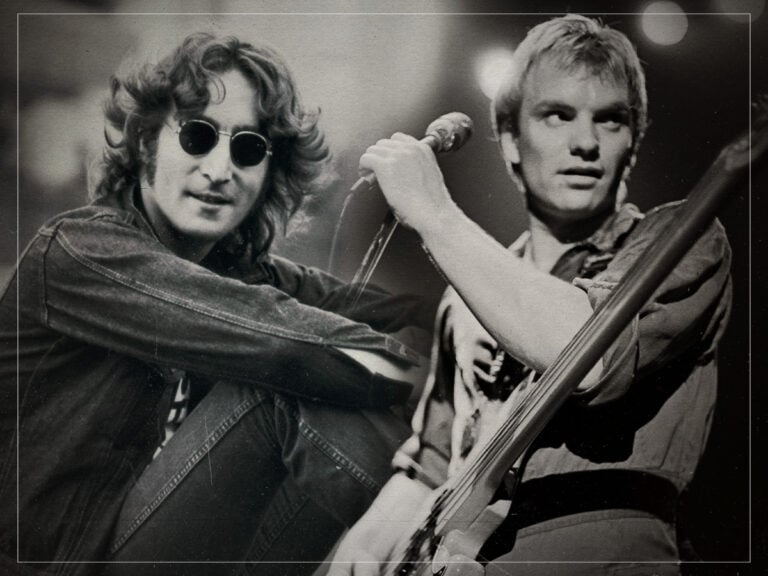
But that, in essence, was the entire point: it wasn’t supposed to be anything special. It wasn’t intended to be anything, really, except for a “vehicle” for both Page and Rodgers to rediscover their sparks. They weren’t gutted when they failed to compete with the likes of Depeche Mode and synthy start-ups – they had never intended to do so in the first place.
This is also, incidentally, why they didn’t really do that well commercially. It wasn’t like they didn’t put in the work, because they did – and they were a hot touring ticket. But the point of the project had more to do with the fact that they weren’t constantly chasing success or trying to make things work in a way that set them up for any longer than they planned.
Instead, they quite literally rolled with the punches, letting the group come to its natural end when it felt like it’d run its course. As Rodgers later argued, The Firm existed “to help Jimmy get back on his feet, musically”, designed solely to help each member to fall back in love with the simple art of making music. And, according to Rodgers, The Firm were sort of set up for failure anyway, especially as they emerged during a decade he didn’t even like, or feel they were particularly equipped to thrive in.
“There was some good music that came out,” he admitted to UCR. “But it went a bit disco for me.” It’s true; The Firm would have likely failed anyway, considering that the musical climate had already moved on by then. But again, it didn’t really matter either way to the superstars in the group.
And while some bands – or, in this case, supergroups – end on a note of bitterness, the sun setting on The Firm came with anything but animosity. In Rodgers’ view, he didn’t feel or think much about it except for “job well done”. Which, if for nothing else, is the sign of a bloody good friend, helping to raise his musical comrade from the depths and push him to spread his wings once again.
