


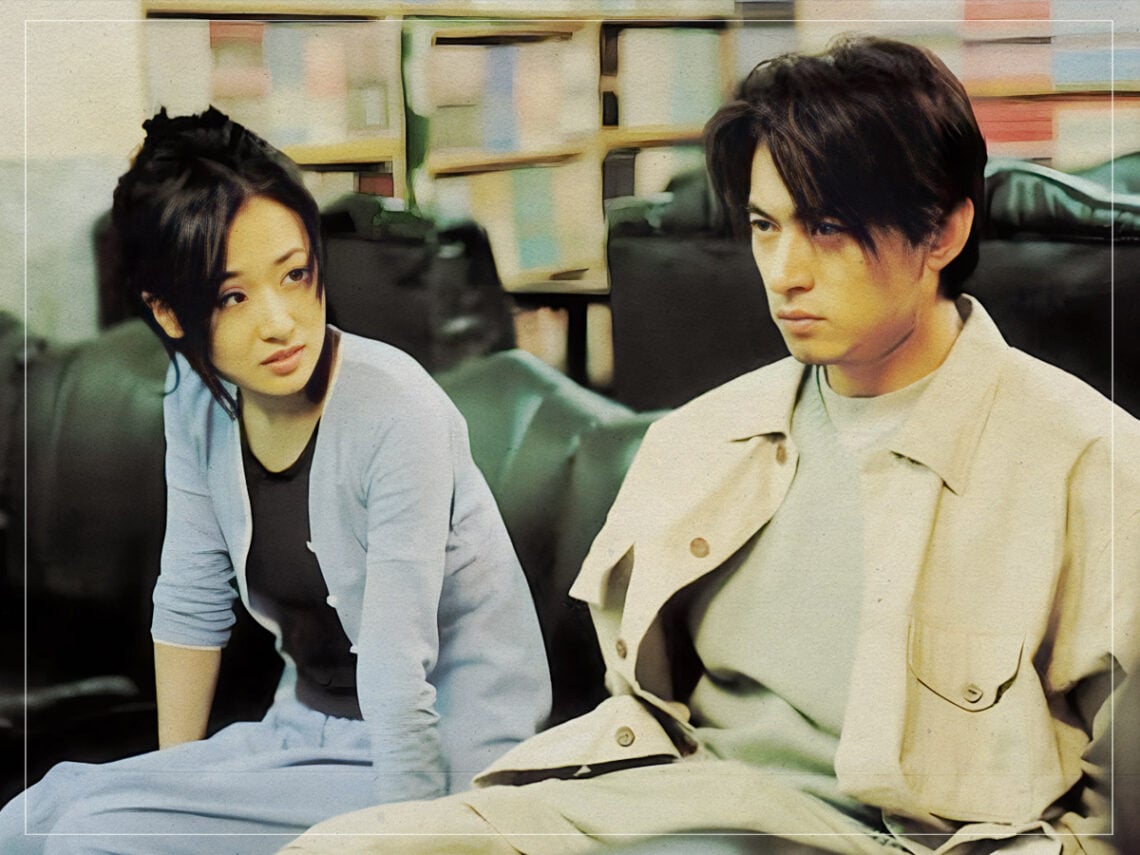
‘Real Fiction’: the 85-minute feature shot in less than three-and-a-half hours

Many films over the years have appeared to play out in real-time, with the likes of 12 Angry Men, Before Sunset and Cleo from 5 to 7 adopting this technique to immerse the audience in an inescapable reality, either creating tension through a looming deadline or flight (“baby, you are gonna miss that plane”) or using it to highlight the specific details of a moment in time. This has led to equally devastating and suspenseful stories that capture the growing pressure of an imminent threat, decision or appointment, with characters who grapple with a dilemma that consumes them throughout the film’s run-time.
However, while many of these movies appear to play out in real time, they are usually not filmed in this way, with the shoots usually being carefully structured to create the effect that it is happening all at once. But there is one project from this sub-genre that was also shot in real time, with the director pulling off a complicated feat that is rarely attempted.
Kim Ki-duk was a South Korean director known for polarising arthouse films such as Spring, Summer, Fall, Winter… and Spring, The Isle and 3-Iron, often creating allegorical and transgressive stories that pushed against the boundaries of cinema through their subject matter and form. The director is known for documentary-style films that highlight his controversial (and often problematic) opinions that focus on deeply flawed characters and sleazy subcultures, creating gritty and disturbing stories.
He was not the kind of auteur to play it safe, and this also extended to his shooting style, which is particularly evident in his 2000 film Real Fiction. It follows a disturbed artist who is harassed by the same people as he paints in the park each day. As time goes on, he becomes increasingly frustrated before suddenly snapping, seeking revenge on all those who have wronged him.
The film was shot on ten cameras in 200 minutes, with Kim collaborating with eleven other filmmakers to construct twelve scenes of humiliation and revenge as the artist unleashes his repressed anger and violent tendencies. Through this transformation, the director explores themes relating to violence, victimhood, and passivity, with the character changing from a victim to an assailant over the course of the runtime.
The story begins and ends in a park, prompting the viewer to reflect on his ability to mask his violent impulses and blend in with the rest of the world, forcing us to engage with the people around us who contain depths we cannot see. Kim also comments on how external factors influence our presentation of ourselves, with circumstances outside of our control suddenly shifting our behaviours and our ability to blend in, triggering something within our deep consciousness that unleashes the true self.
It is a disturbing film that makes the most of its format by taking us on a relentless quest for violence with no chance to catch our breath, unable to escape from the character’s inner world as he unleashes his true self.
