


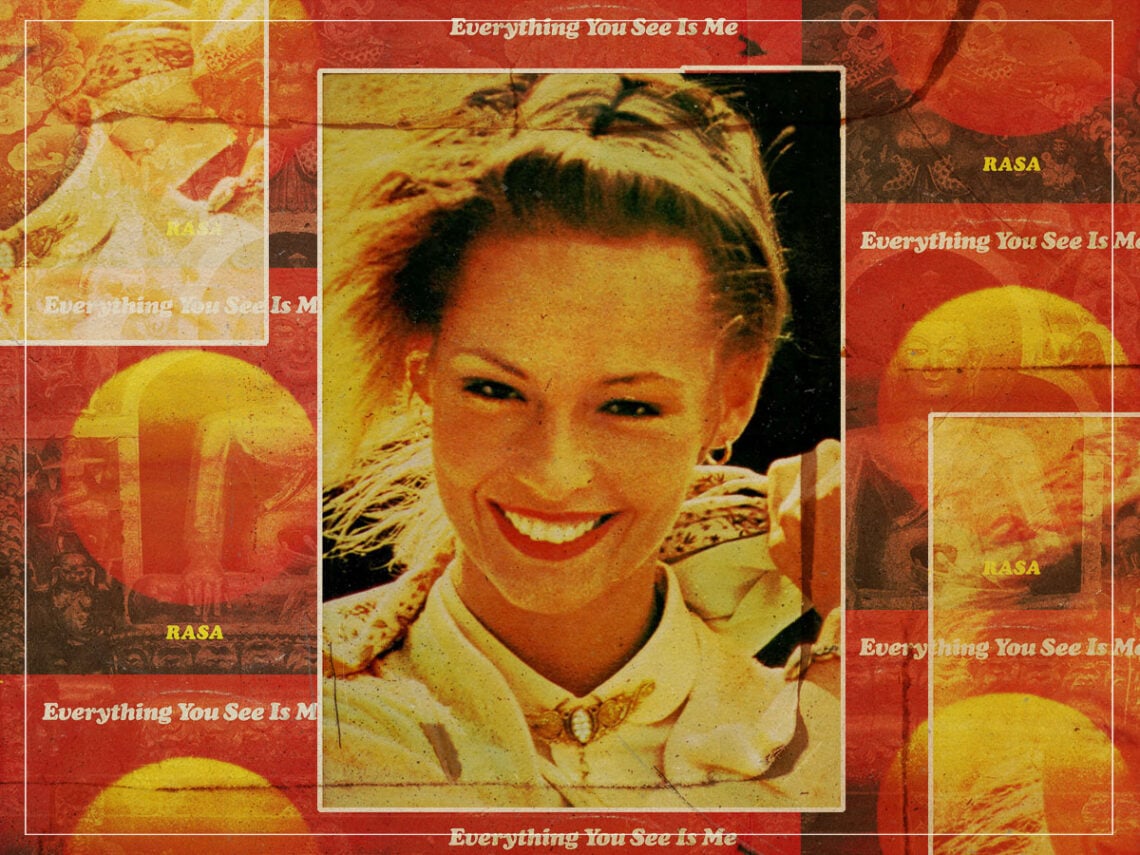
Rasa: the Hare Krishna masters of funk and soul

Funk and soul have always been inherently spiritual. With roots in the Christian traditions of gospel songwriting, the movement developed rapidly during the mid-part of the 20th century to incorporate vastly different themes and styles extending far beyond the realms of Christianity. Part of what makes the genre so appealing is its ability to adapt to a wide range of situations. In 1978, the world of funk, soul, and disco collided with the revolutionary spiritualism of the Hare Krishna movement, with stunning results.
The International Society for Krishna Consciousness, or the Hare Krishna movement, was first established in the concrete jungle of New York City back in 1966, though its headquarters are in West Bengal in India. Based on Hinduism and the Bhagavad Gita scripture from the first millennium BCE, the movement captured the attention of many creatives and spiritual people during the 1960s and 1970s. Perhaps the most notable people within the movement included the likes of George Harrison, who devoted a lot of time and funding to the Hare Krishans, and X-Ray Spex frontwoman Poly Styrene.
As you might expect, the Hare Krishna movement had a distinctly better soundtrack than most religious or spiritual organisations. For the most part, the music of the Hare Krishnas is characterised by many traditional Indian and South Asian influences, brought into the 20th-century mainstream by Harrison on Beatles records like Revolver and, later, his solo work too. Part of what made Hare Krishna so appealing to artists and creatives, however, was its potential for creative expression and, above all else, freedom.
By the time the mid-1970s rolled around, the Hare Krishna movement had entered the public consciousness thanks, in part, to the support given by figures like George Harrison. Of course, this meant that many more people became aware of its teachings and ideals and were keen to join up. An unexpected byproduct of this increased presence was an update to the music of the movement, culminating in the incredible 1978 album Everything You See Is Me by funk and soul group Rasa.
Rasa, in essence, was a collective of Hare Krishna devotees who used soul music as a means of preaching the spiritual messages of the movement. Everything You See Is Me was the only record the band managed to release during their short tenure, but it is among the most interesting and compelling soul albums of the 1970s, blending soul with jazz-funk and even hints at the disco nightclub scene.
The band managed to update the Hare Krishna worship songs for a modern 1970s audience while retaining their original messaging and spiritual power. Due to its heavy funk and soul influences, Rasa also succeeded in making the movement more appealing and relatable to audiences in America during the time, many of whom were sceptical of the influence of South Asian and Hindu music.
Everything You See Is Me is a vitally important funk album, but more than that, it is an incredible historical artefact. There is no better encapsulation of the power that the Hare Krishna movement had during the 1970s, exemplified further within its liner notes, which, thanks to George Harrison, Alice Coltrane, Stevie Wonder and Neil Diamond for their support in creating the record.
