


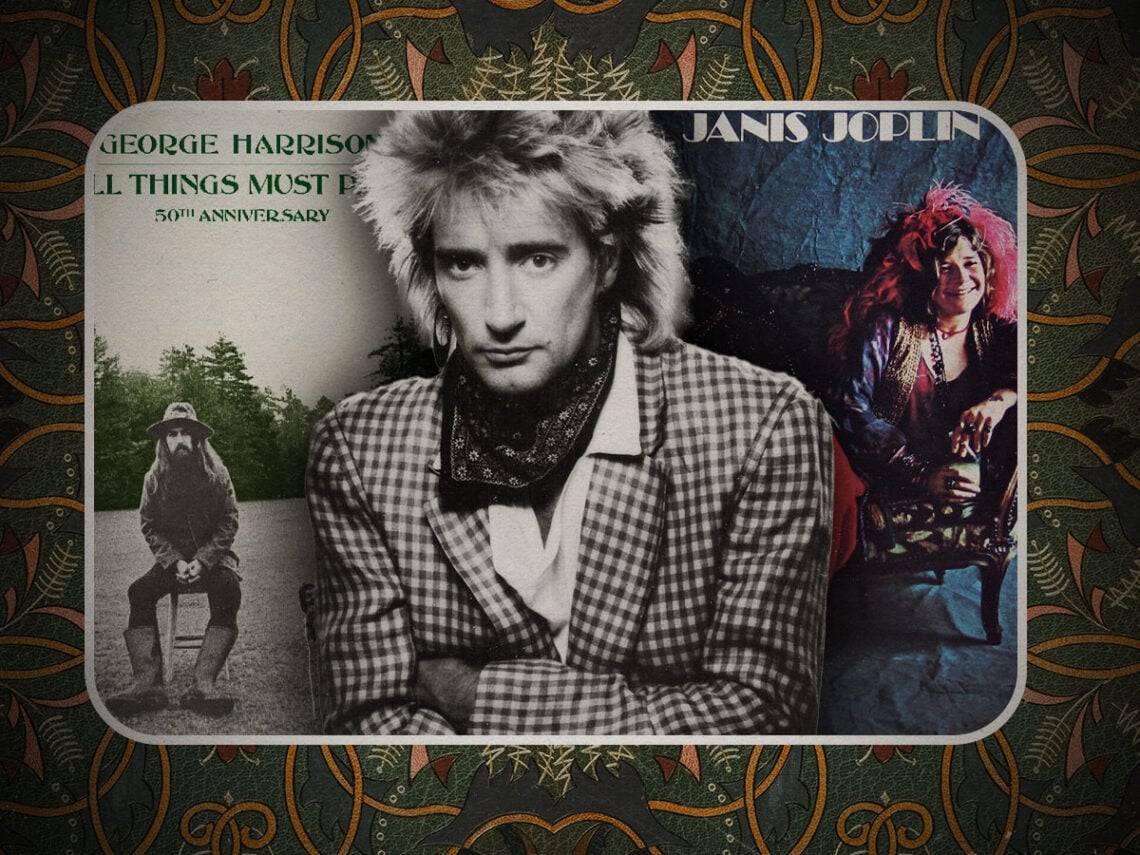
Ranking the five best number ones from 1971

It was a frosty March, and in the dead of night, students in Media, Pennsylvania, were breaking into an FBI office in search of documents that would reveal a conspiracy. The bell-bottomed 1970s were only 15 months old, yet the world had certainly come a long way from The Beatles’ simple decree that all you needed was love.
The Fab Four were no longer; the psychedelic counterculture movement in its most freewheeling guise had been slain along with the victims of the Manson Family murders, and the utopia promised by the boom of the 1950s tech advancements had fallen on hard times. In New York City alone, 500,000 manufacturing jobs had been lost, and murders hit a high of nearly 33 every week.
If this was hinted at in 1970, as the ‘60s came crashing to a close, then the grim forecast was fairly clear by ‘71. Yet, vitally, it all still felt very much up for grabs. That spirit – the grimness and the hope to overturn it with a fresh alternative – may well have produced the greatest year in music history.
Gil Scott-Heron practically invented rap with ‘The Revolution Will Not Be Televised’, Joni Mitchell mastered the confessional form with Blue, and Led Zeppelin proved that heavier music was here to stay with their fourth and finest work. And the charts weren’t bad either. While the aforementioned trinity might have failed to reach number one as the LP became paramount, plenty of classics did rise to the top.
With that in mind, we’ve ranked the five finest below.
The five best number ones from 1971:
‘Uncle Albert / Admiral Halsey’ – Paul McCartney
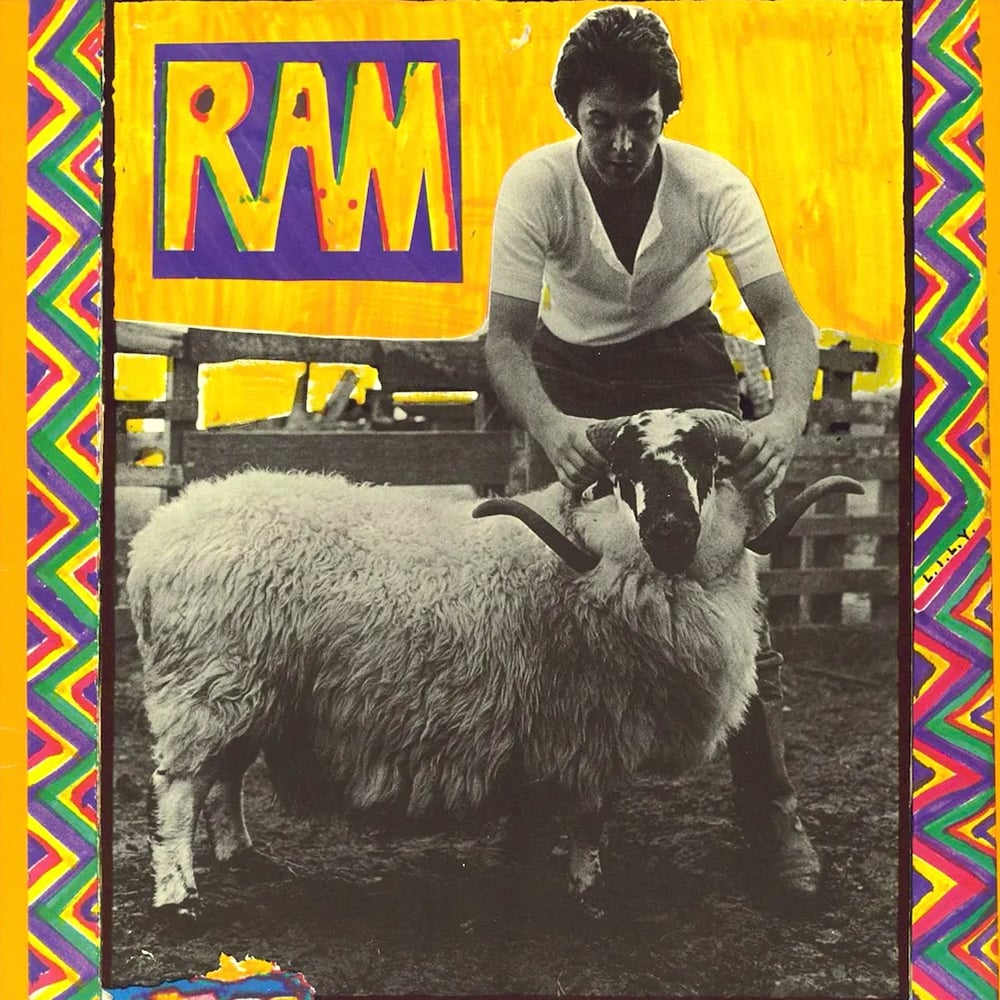
There’s an argument to be made that Ram is the most influential album ever made by a Beatle, including the releases put out by the Fab Four. You don’t hear many records as ambitious and grand as Sgt Pepper these days, but you do hear plenty of indie with the laid-back, slacker spirit captured by twee tracks like ‘Uncle Albert / Admiral Halsey’.
With the world still reeling from the split of the Beatles, this was Paul McCartney’s jaunty reinvention. Playful and quaint, it is possibly his most sincere work too, maturely capturing the moment he decided to turn away from rock ‘n’ roll or the in vogue trend of heaviness and offer a more honest reflection of his happy family life in Scotland, collaborating with Linda. The influence of that earnest spirit seeped into the inception of indie as we know it.
‘Me and Bobby McGee’ – Janis Joplin
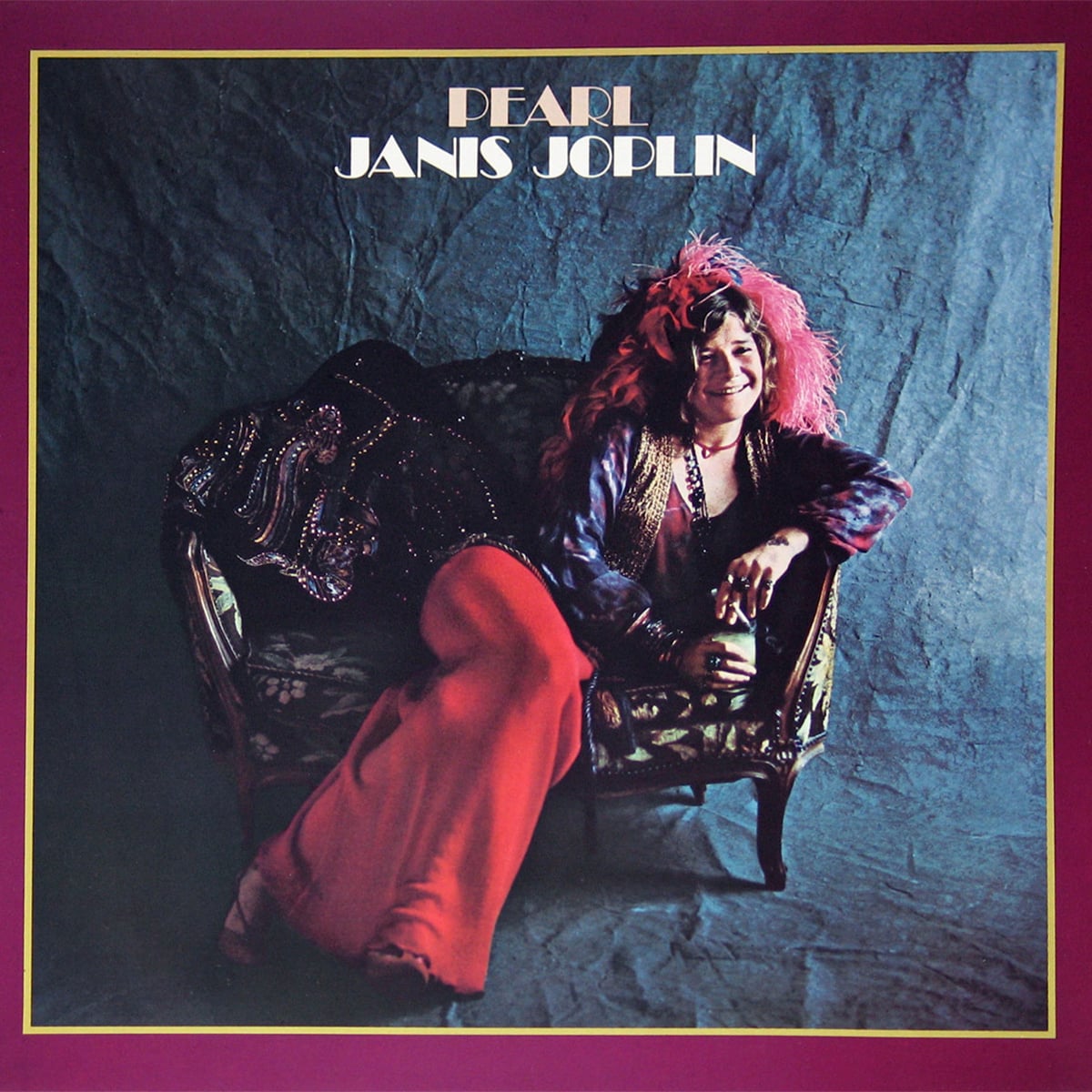
Read anything about Janis Joplin’s interpretation of this song, and it will say “she made it her own”. She harnesses so much power from it in an instant that even the late Kris Kristofferson would have to second-guess that he wrote it. With a fiery roar over simple chords, the Texan singer proved why she was a defining spirit of the 1960s, revered as the queen of the decade and an incomparable performer by the likes of David Crosby.
Released on January 12th, three months on from her untimely death, the single made Joplin only the second American in history to score a posthumous number one, the first being Otis Redding. As tragic as it was, ‘Me and Bobby McGee’ was the perfect song to cement Joplin’s legacy as a hurricane vocalist of the highest order, and keen interpreter of song.
‘Family Affair’ – Sly and the Family Stone
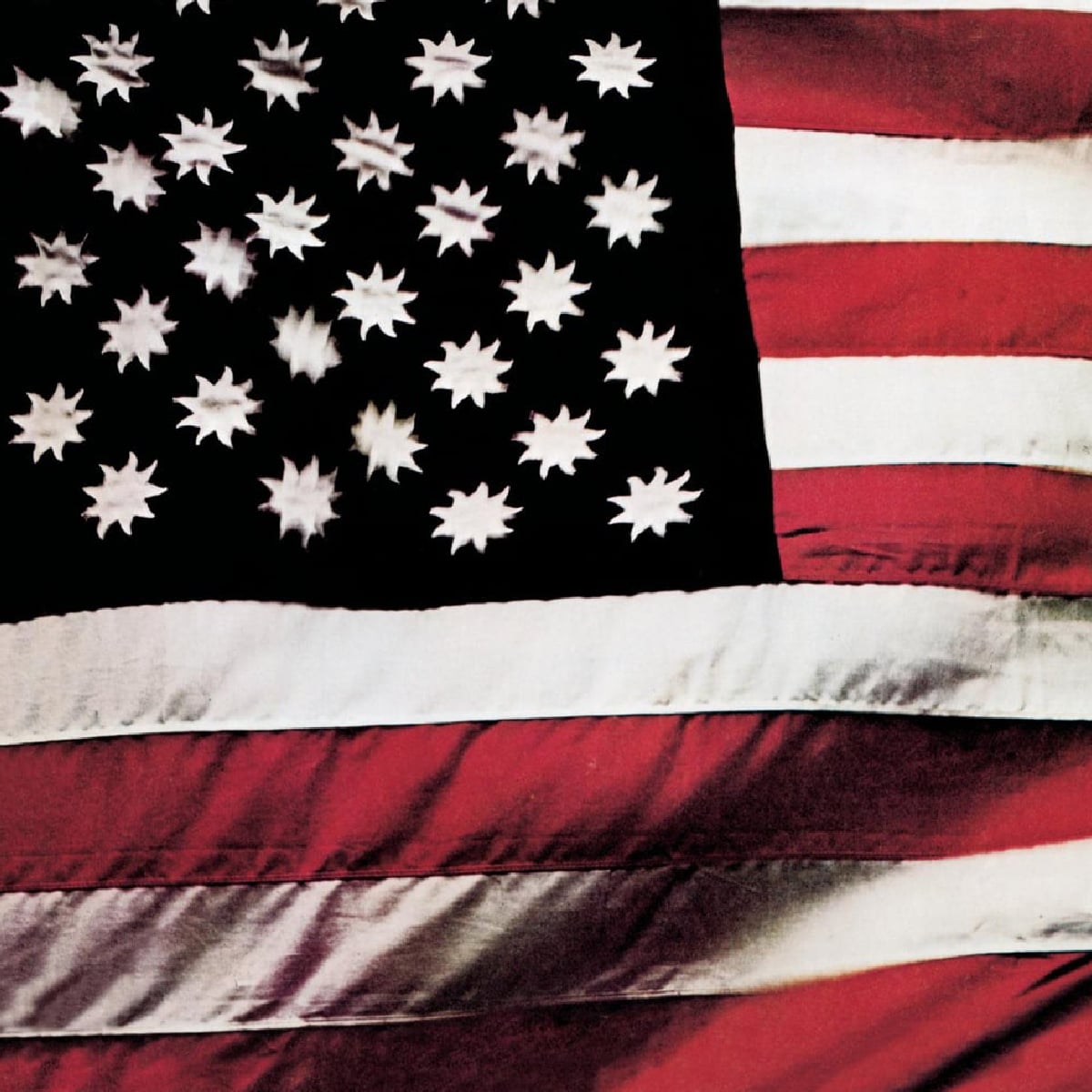
There’s a Riot Goin’ On is one of the greatest albums of all time. But it also isn’t the best of 1971. That goes to show just how many monumental efforts were being released in this most auspicious of years. Sly and the Family Stone frenetically captured that unspooling spirit of creative abandon with efforts that amalgamated genres with a gripping vitality.
Ironically, it was perhaps the record’s mellowest cut that made it to the top of the charts, but over half a century on, its timeless nature still stands up. Led by Billy Preston’s rhythmic piano, the all-star ensemble that Sly Stone gathered creates a song of perfect polish. It stayed at the top of the charts for three weeks, heralding the age of mainstream funk in a manner that made wholesome collectivism hip (a trend we could do with returning).
‘My Sweet Lord’ – George Harrison
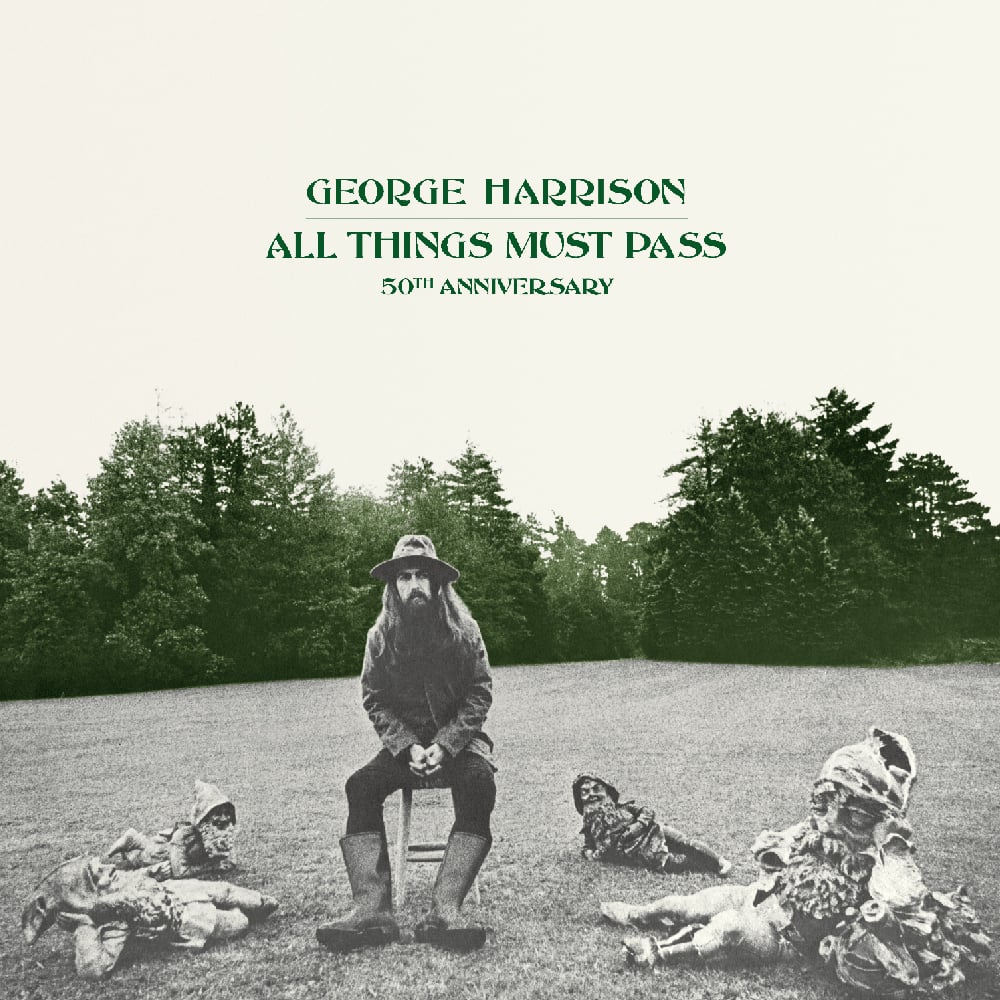
There’s a propulsive spirit to ‘My Sweet Lord’ that gets under the skin like Vitamin D. I swear a car can be on its last cough of petrol, but if you play this classic at the right volume, it will keep rolling on for miles and miles. As George Harrison put it himself, “‘My Sweet Lord’ has got a mantra in there and mantras are – well, they call it a mystical sound vibration encased in the syllable … Once I chanted it for like three days non-stop, driving through Europe, and you just get hypnotised.”
The song seemingly had the same effect on the nation. Ignoring the plagiarism case that lay ahead, as soon as this track was released – first in the US in November 1970, and then in January 1971 in the UK – it was met with untold public goodwill as the people reconciled that life with the Fab Four as solo entities might not be so bad. It ended the year as the best-selling song of 1971 in the UK, and proved a point about Harrison’s songwriting that was years in the making.
‘Maggy May’ – Rod Stewart
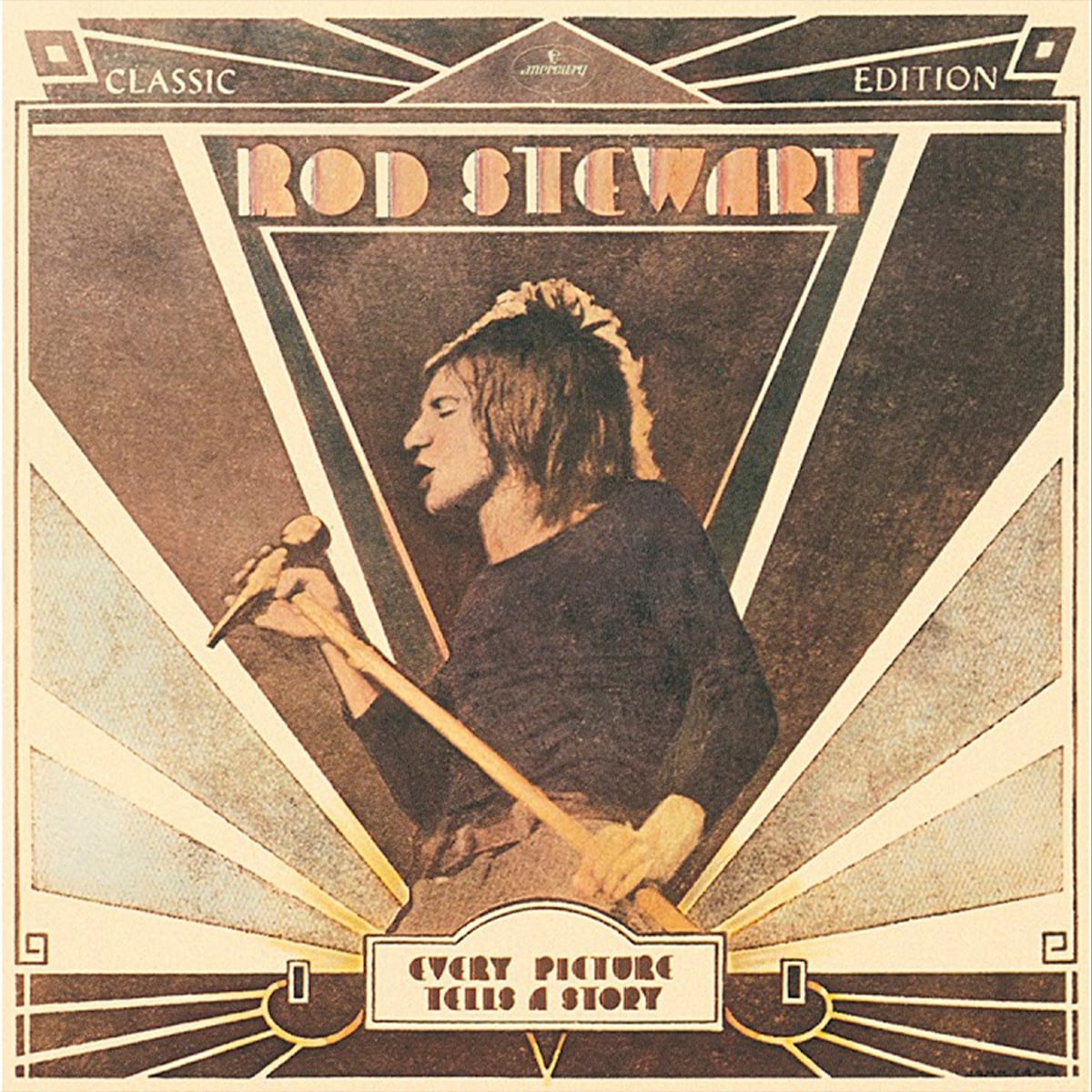
With a voice so gravelly it could pave you a new driveway, Rod Stewart stirred up an oddly engrossing song about losing his virginity. On paper, the whole thing sounds god-awful. Even in memory, the song can sometimes be confabulated as corny. But as soon as you listen to it in the right light, at the right time – say, the morning before you head off on holiday, for instance – the song suddenly seems like a rare piece of artistic perfection.
Hipsters might scoff at that remark, but from the titillating mandolin – played by Lindisfarne’s Ray Jackson for a measly £15 – to the clever key change, nothing is out of place, and everything seems inevitable. Stewart might have only intended Every Picture Tells a Story as a solo stopgap between Faces albums, but ‘Maggy May’ proved so successful that it effectively killed his own band and launched the mulleted daft lad as one of the premier drunken acts of a generation.
