


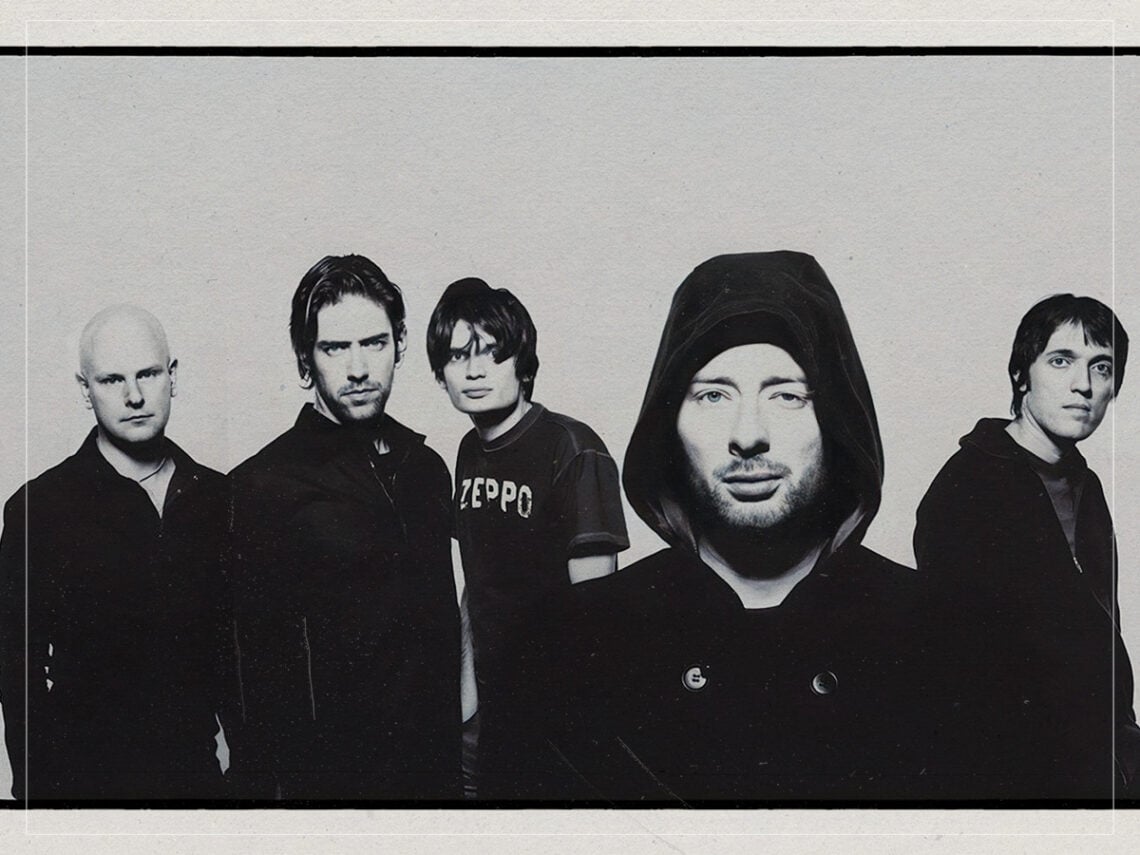
Did Radiohead kill off the lucrative days of the ‘rock band’ in 2007 with an act of self-indulgence?

The pay-what-you-can model in music is very much all the rage right now, in a landscape marked by streaming service boycotts and ethical modes of consumption. But Radiohead were always ahead of that curve.
These days, you see it in the likes of King Gizzard and the Lizard Wizard or Massive Attack, all of whom are seasoned heads of the game but have decided to each take a stand against the status quo of the industry and release music their own way. It may be admirable, but it’s nothing entirely new.
In this sense, while branding Radiohead pioneers of anything might be a stretch too far, they were certainly ahead of their time in terms of going down the independent release route with In Rainbows. Their previous contract had expired in 2003, and so, without a label, they decided to announce the album online and have fans pay what they wanted for it, ten days before its official release.
As much as from a sonic perspective, In Rainbows was considered by many as a pivotal masterpiece; it was less about the music contained in the record than it was about the method of its release that made the biggest statement. Suddenly, the concept of a rock band was no longer lucrative and aloof. They were right there, just doing what they wanted.
It certainly painted a more human side to Thom Yorke and his bandmates – one that, in times gone by, they could ill afford to lose. It displayed a heart that truly put the fans first over any big bucks or business (and, in the end, the album still went to number one, so it didn’t do them any harm). It also turned from a marketer’s disaster into a dream, with more hype around the record than they could have ever cultivated through conventional means.
Of course, on the flip side, there’s no escaping the fact that railing against the standards of the industry for the sake of one’s art was a highly indulgent thing to do. Put simply, the only reason they were able to achieve it at all was that they already had a slew of successes behind them, gained through, lo and behold, the record label model.
Sure, it was taking a stand, but it was taking a stand with a privilege that only a massive rock band could have bestowed on them. Was it really that innovative when, by 2011, when they returned for the release of King of Limbs, the release was only partly independent? In Rainbows wasn’t truly setting a new trend.

It’s one of those debates that could linger on and be continuously reignited for the rest of time, when, at the end of the day, it doesn’t really matter. Almost two decades on from the album’s release, it still stands as one of Radiohead’s most beloved offerings, and the gesture of letting fans have it early for all of ten days was no longer relevant once the noise died down.
In some ways, obviously, that was the entire point. Ingenious, indulgent, or anywhere in between, Radiohead have always had that slightly unpredictable edge that keeps people guessing, even when the results haven’t always been sublime. They were born to not follow any rules, after all, so why should their take on the industry have been any different?
