


Doctor’s Orders: Whitney prescribe their nine favourite albums

It’s always good to put some positive energy into the world, and Whitney are in a really good place right now.
That’s not just figurative, although it is also the case. As we speak, the band are in the midst of their European tour, having been living it up across the course of Germany and, on this specific night, about to hit the stage in Brussels. Their Instagram depicts a smorgasbord of crowds, cocktails, and frankfurter sausages. It seems like a good time is being had all around.
There’s probably no better time to capitalise on their buoyant cultural mood than now, before they arrive for their UK run of shows and realise that the best they’re in for is incessant rain and maybe some greasy fish and chips. But with all joking aside, since the last time I spoke with the band at the end of August, things have definitely changed.
At that point, they were eagerly awaiting the release of their latest album, Small Talk, which was unleashed into the world in November. The fractious energy of anticipation is all gone now, and they get the chance to soak it in, the band’s Julien Ehrlich tells me. “We’re on the road, and it’s been amazing,” he says.
“I feel like we truly didn’t know what to expect after releasing this record. All the new songs we play, people are singing along, and it genuinely feels like they’re captivated by them. It’s kind of all you can hope for.” Certainly, a string of sold-out shows and an ever-increasing rise in profile have been well worth the wait.
For as long as I’ve watched Whitney – and, in the span of the last six months, been able to speak to them – it’s very much been clear that they are a band who put their hearts on their sleeves. There’s no room for lies here: whatever they feel pours into song, whether that joy, angst, anger, or anything in between.
Like most artists, that level of searing honesty is bound to take some emotional toll, only now Whitney are reaping the rewards of it. Ehrlich says that price has worked out. “Oh my God, this piece of art that we really put our lives and our hearts and souls into – I think it’s always felt worth it to make this record. But now it’s just really, really nice to see it tangibly given back to us.”
It’s only natural, however, that they also seek a safe haven in music for a chance to unwind, away from the wildness of their current trajectory. With that in mind, we figured that they would be perfect for our Doctor’s Orders feature.
Back in the First World War, ‘pill number nine’ was often prescribed in the trenches as a ‘pick-me-up’. These days, pop culture adds a similar pep to our days. So, we combined the two and teamed up with the mental health charity CALM, to delve into stars’ musical pasts and discuss the records that have helped them out over the years.
If you’re able and if you can afford to, please consider a small donation to help the CALM cause. £8 can answer one potentially life-saving call.
The nine favourite albums shared by Whitney:
Love Apple – Love Apple (2012)
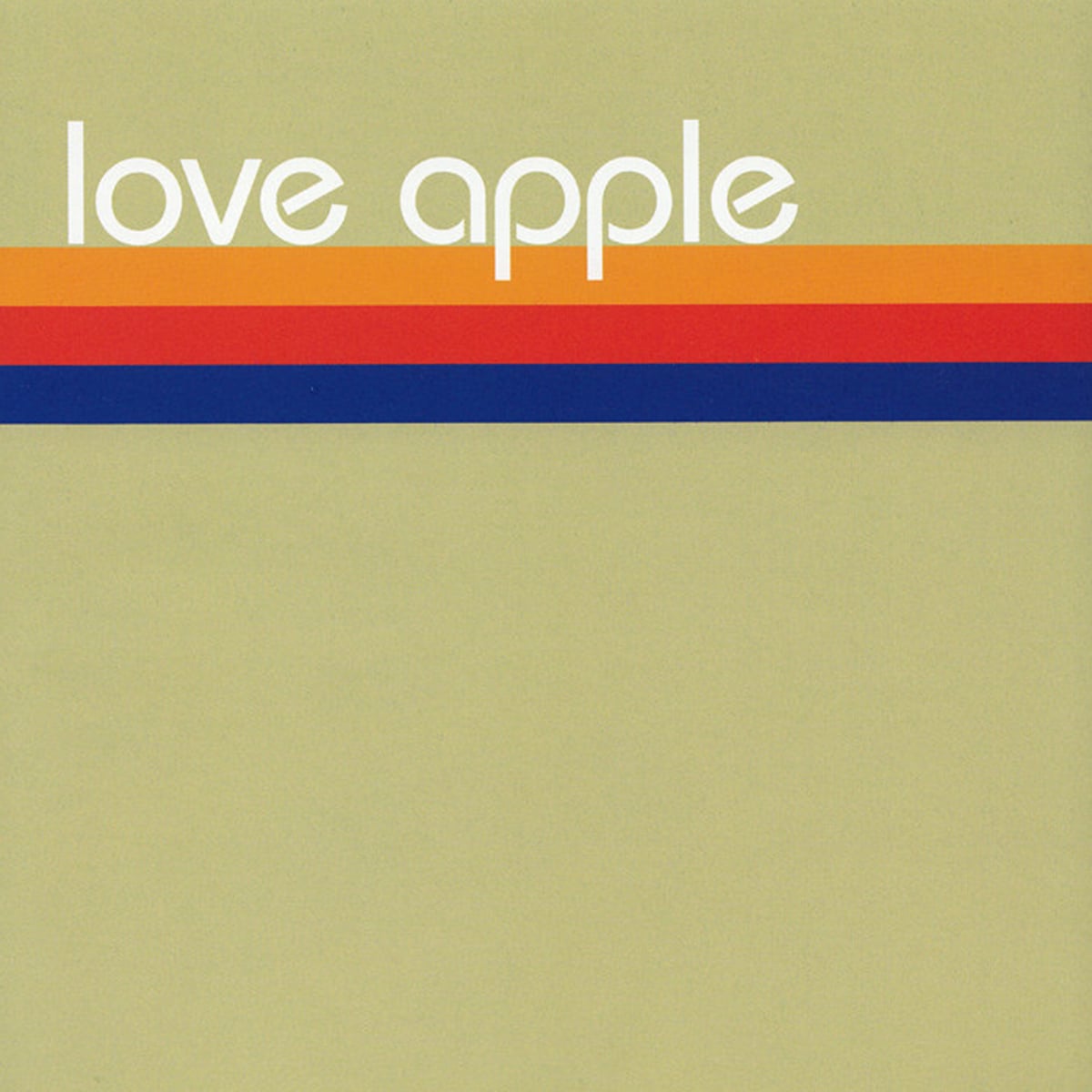
Nothing screams true musician like selecting an incredibly niche gem as a first pick, but Max Kakacek kicks things off with the eponymous debut from the Cleveland trio Love Apple. The relatively recent release date is a slight misnomer, though, because in reality, these were six vague vignettes of a soul disposition, only seeing the light of day decades after they were recorded in the late 1970s.
“It really is just sketches of six songs, and it’s just vocals, piano and drums. I don’t think there’s any bass even on the recordings. It really feels like the most melancholy, sad recordings and performance of perfect melancholy ideas, which is something that we’re always striving to capture in the studio and in our writing,” Kakacek enthuses.
“There’s a certain romance about the recording seemingly being recorded in the span of a day or something, and not really overworked. It feels very human. That’s a challenge, especially in the studio – keeping the song sounding like they still feel soulful enough to be made by humans and not chiselled away so much that they lose some of their imperfections. I always go back to this album to remind myself how good imperfect recording can be.”
Hiroshi Sato – Awakening (1982)
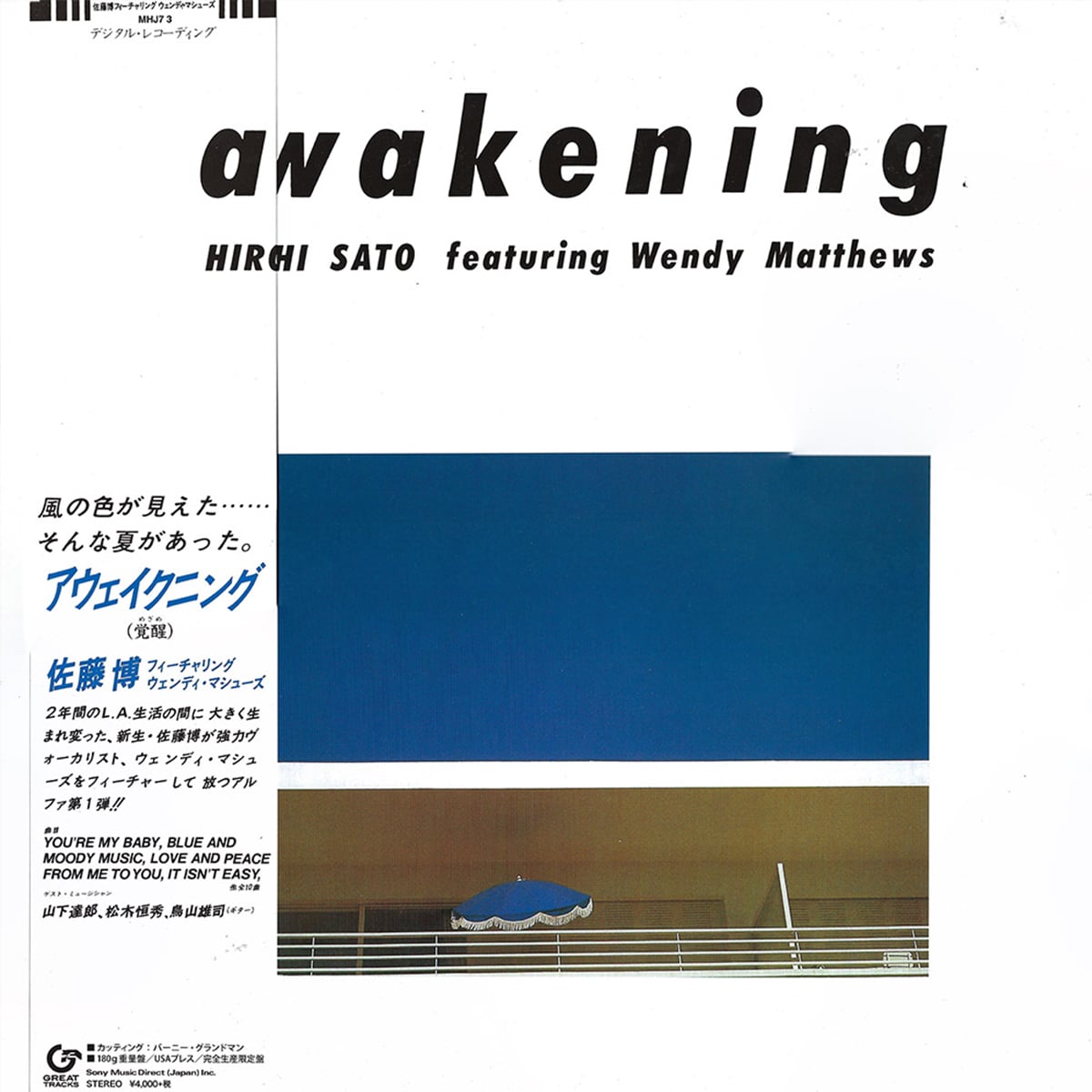
Honestly, if you can’t be picked up by the sound of a classic 1980s synth, you must really be dead inside. That’s why Hiroshi Sato’s 1982 effort Awakening is the perfect medicine, combining these elements with a dose of fun and communality, according to Ehrlich. “All the vocals feel like pretty early vocoder harmonising,” he explains. “I mean, it’s just such brilliant and poignant and playful pop songwriting.”
Recalling how he was first introduced to the album by a friend “at a party at one of our bandmates’ houses back when our band was basically just starting,” Ehrlich said it fell out of his listening orbit until recently. “I was just in Mexico for my brother’s wedding,” he says, adding, “I have family of all types; they don’t know much about obscure music, or they just know what they feel when the song is on. For some reason, I chose this record to play top to bottom at the house we were all staying at.”
It may seem like a curveball choice, but in reality, “it set such a perfect mood. I think there’s something special about sharing this record with people. It’s very much a group listening record, and I feel like that’s unique for us. I feel like we’re normally looking for very personal listening that makes you cry.”
Radiohead – In Rainbows (2007)
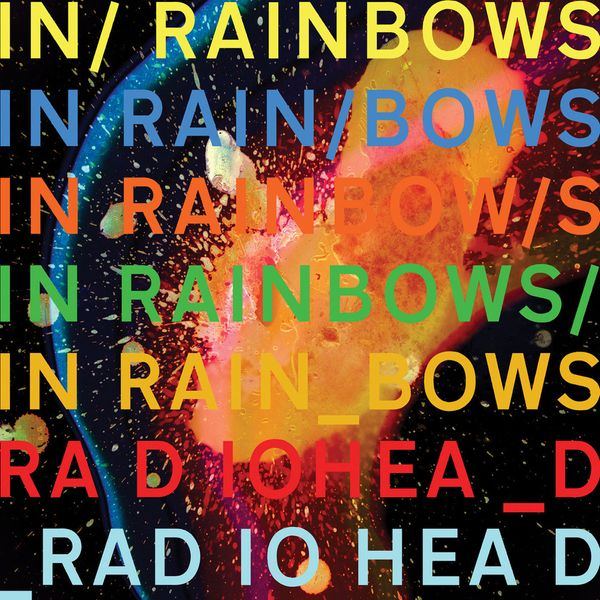
Some albums morph and take different forms as things change, while others stay steadfast as a pivotal sonic reminder of one specific point in time. For Kakacek, Radiohead’s In Rainbows is exactly the latter. Despite this, “I don’t have some profound take on the record that I don’t think someone’s already discovered,” he readily admits.
“For me personally, it’s kind of a hard record to listen to, because it almost makes me depressed by how good it is. I don’t even know how to begin to make something this perfect. Sometimes it’s the opposite of inspiring, where it’s like, ‘Well, if this record exists, what’s the point of trying to make music?’,” he jokes.
But In Rainbows means more to Kakacek than just an example of godly artistry. “I remember putting it on in between Smith Westerns and Whitney, when I was going back to school. It was a time in my life where I wasn’t sure if music was going to stay, if I was going to keep pursuing music. I guess, in between bands, a lot of things were changing. I was taking the train to school every morning when I was 21 or 22. I put it on one morning, and I was like, ‘holy shit’. I listened to it for a whole month every morning.”
Neil Young – Live at Massey Hall 1971 (2007)
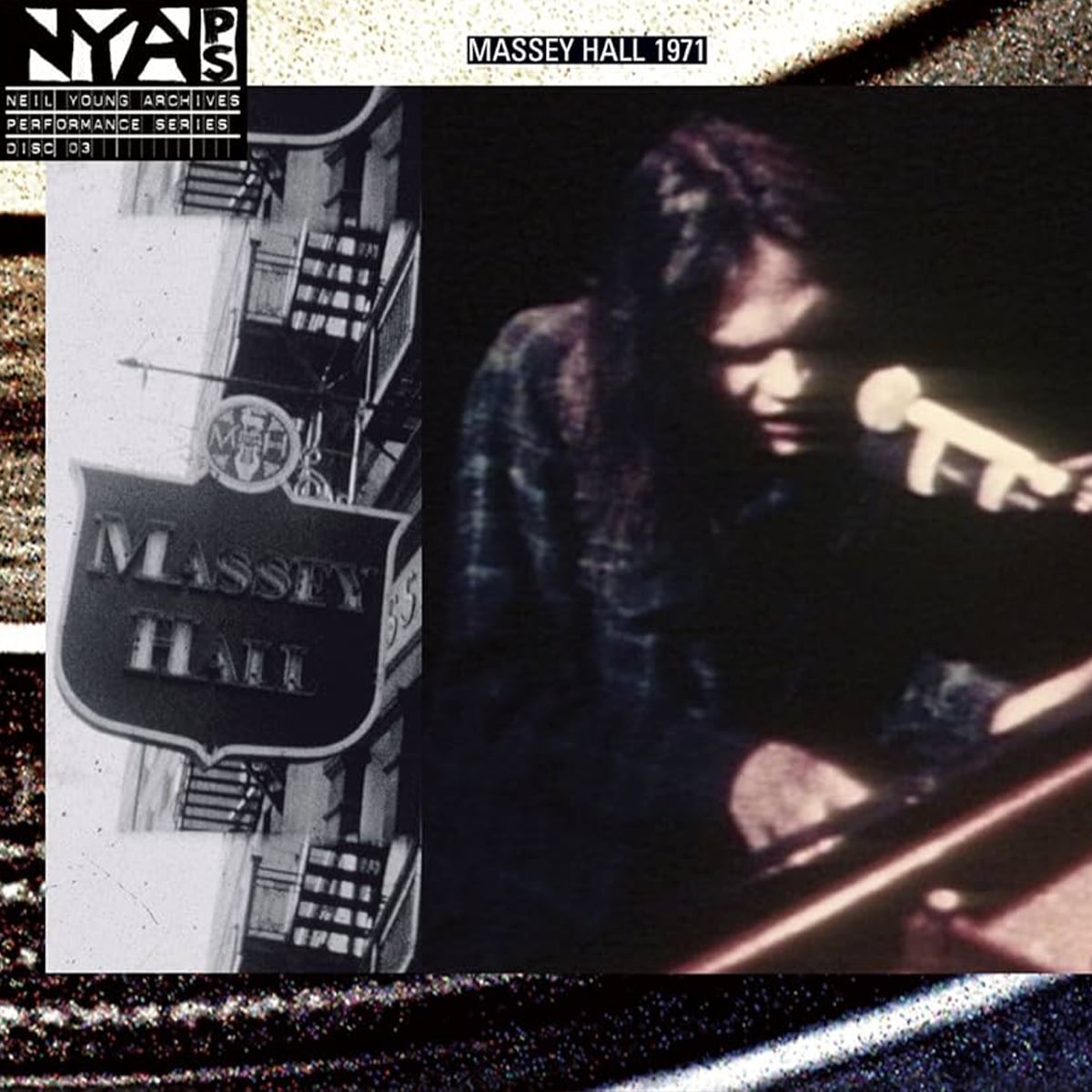
From one set of rock legends to another of a very different kind, Ehrlich singles out Live at Massey Hall 1971 by Neil Young for his next pick. “I honestly think, at least to me, it’s just the best live album ever,” he says, which is certainly high praise indeed. But then again, it’s only the best where Young is concerned.
Ehrlich continues: “It was such an interesting time in his career – After the Gold Rush had already come out, but I think he was probably going to record Harvest, like, in the next month or two. There’s just some songs on this one, like ‘Love in Mind’, which I think is, specifically this recording of it, the best Neil Young song, maybe ever.”
He adds: “As far as live albums go, putting this one on front to back feels like you’re going to school, like you’re taking a Neil Young course or something. Yeah, I’m always down to take a Neil Young course.”
The Durutti Column – LC (1981)
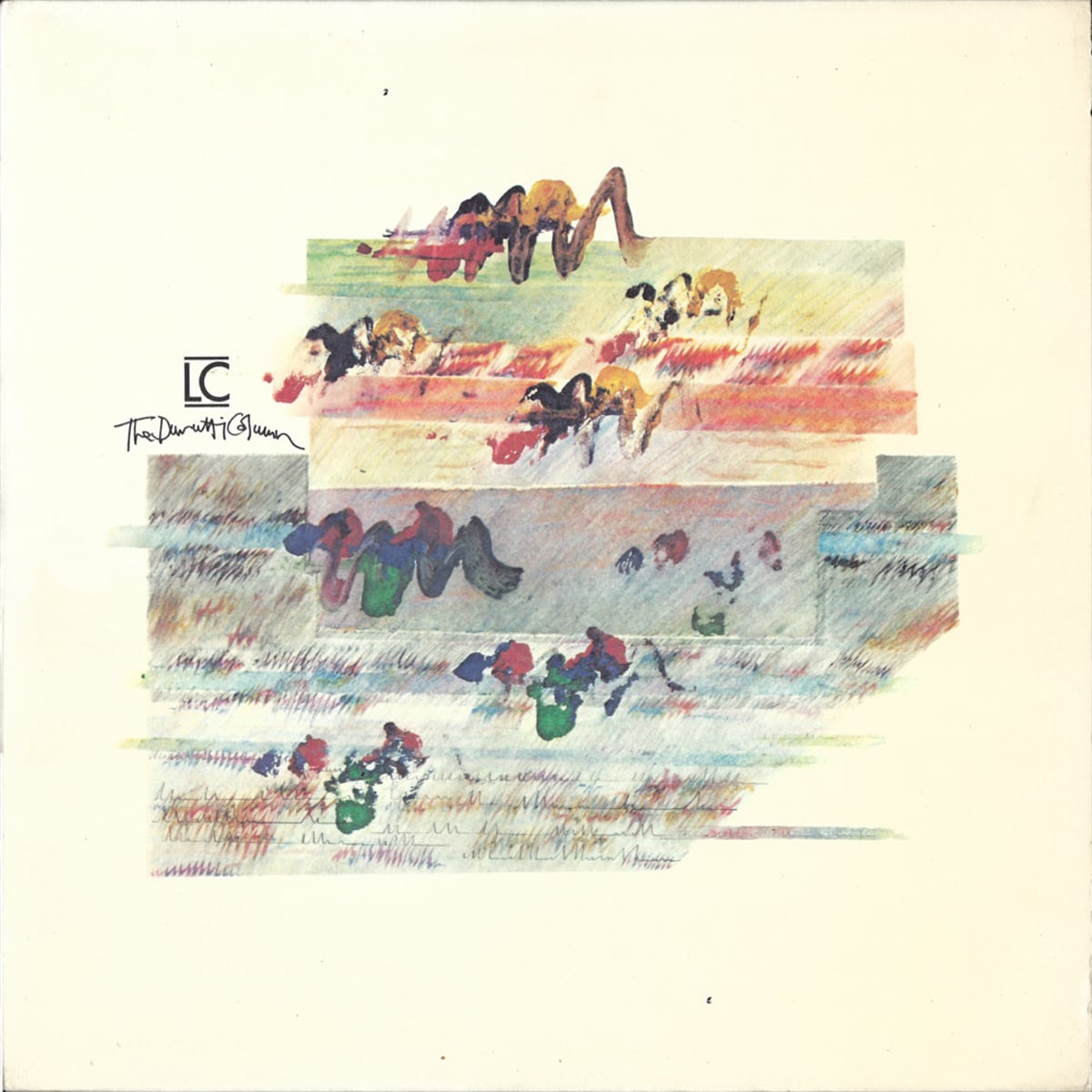
Kakacek takes over again to recommend LC, the 1981 sophomore album from The Durutti Column, but it becomes clear that this was a hard choice to make. “I chose this one specifically because I think the way I got into Durutti Column when I was 18 or 19 was through songs like ‘Never Known’ and ‘Messidor’, which are both on this album.”
Yet when referencing the project’s spearhead, Vini Reilly, he adds: “I guess the caveat to this is his whole career span is inspiring to me, and his effect with guitarists, where the conversation of delay as an instrument is talked about a lot. I think he uses it in the coolest way possible. Also, I think he’s kind of been a secret for a while.”
Kakacek continues: “Maybe I’m romanticising it a little more than it needs to be, but I feel like lately he’s been getting his flowers. It’s a fun thing to return to his music and give it all a listen to. It seems like his sound is having a moment right now in 2026.”
Ted Lucas – Ted Lucas (1975)
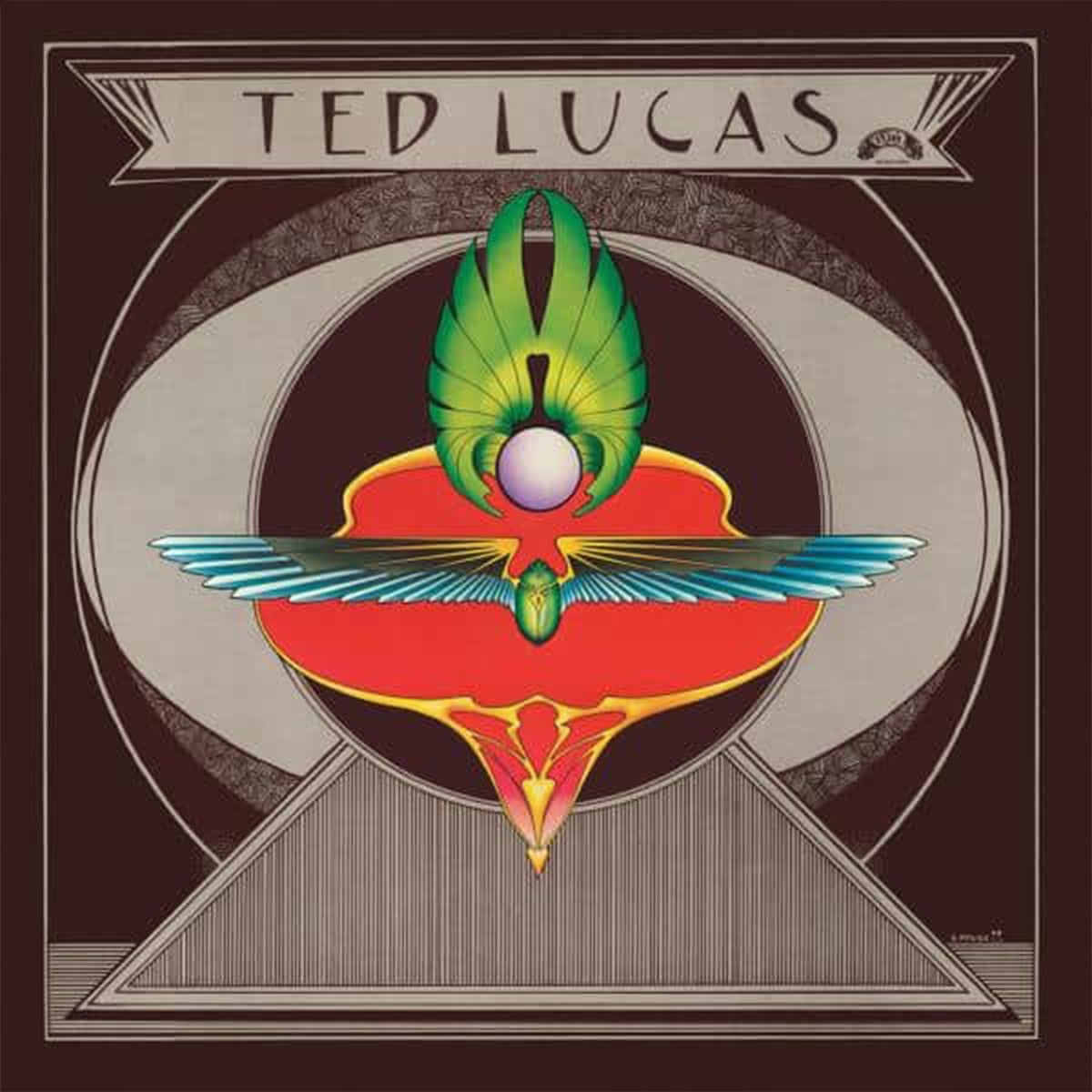
Another more obscure pick comes from Ehrlich, this time in the form of the eponymous album by former Motown session guitarist Ted Lucas. “I think everyone knows what makes this record so beautiful, and it’s because the sonics are so unique. The songwriting is so minimalistic and just so powerful. There is no one in the world that I feel like is even really capable of doing a Ted Lucas-sounding record.”
But this is an album which, for the band, comes with strings attached. “I picked this record because Max and I both have a very magical, specific memory tied to it. One night in 2016 or 2017, we were in Oregon and stayed up late at my cousin’s house, just drinking a ton of wine. On a whim, at one or two in the morning, we were by a river, and my cousin decided to blow up this big raft, and we drove down to the river. Unfortunately, no one was sober.”
While the drunk antics were ill-advised, the resulting moment was not. “It was a classic musical memory that I feel like I’ll carry with me forever,” Ehrlich recalls. With a Bluetooth speaker and Lucas’s song ‘I’ll Find A Way (To Carry It All)’, the mood was one of, “Listening to some perfect song and the perfect surroundings at the perfect state of mind – we were probably still smoking weed back then. If you have the chance, or if you’re in need of that sort of feeling, I feel like we could prescribe that record,” he says.
T Rex – Electric Warrior (1971)
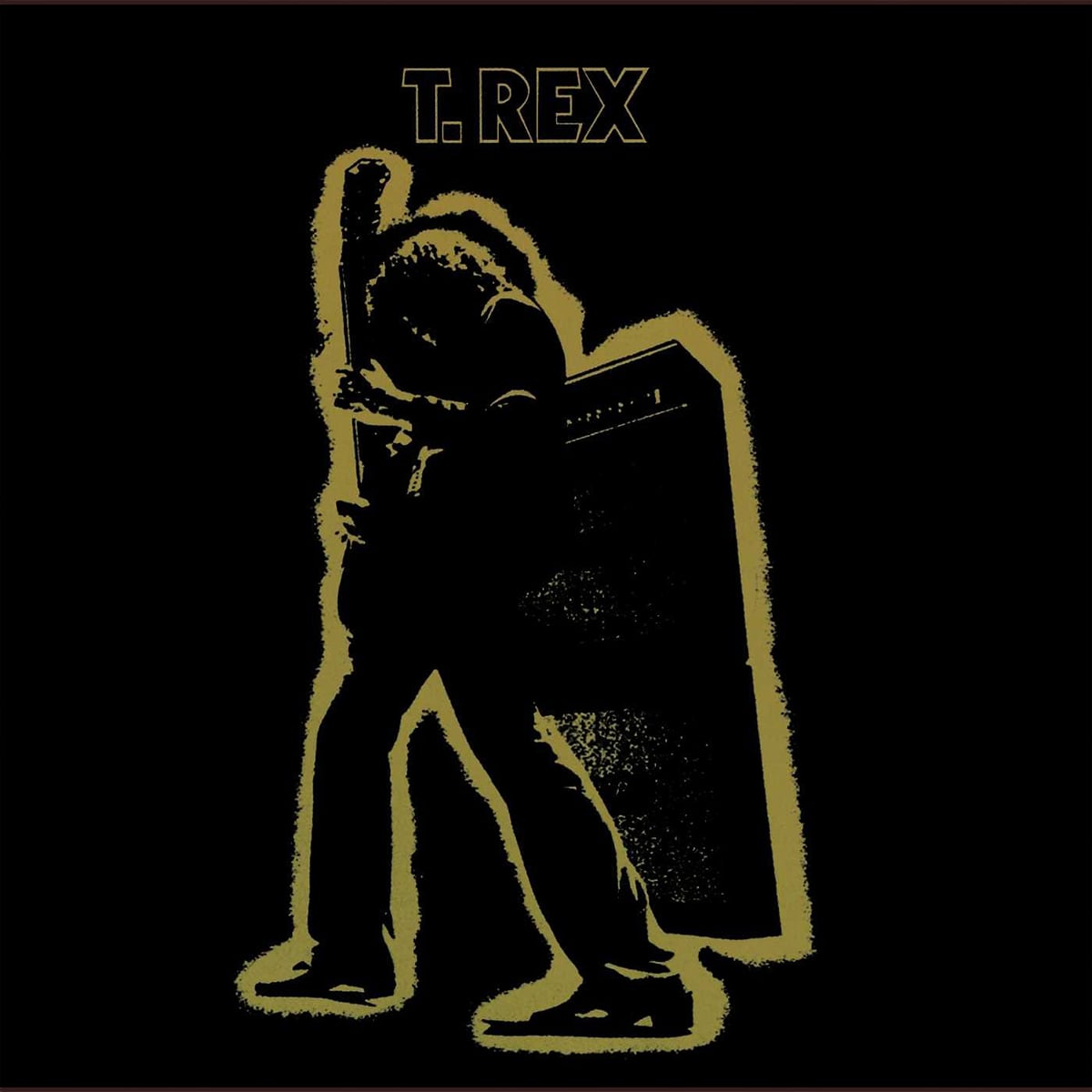
“I was trying to figure out what was more of a formative record that I could still stand behind,” Kakacek explains, “and the one that I landed on was Electric Warrior by T Rex. I think I found this when I was a freshman in high school, so I would have been 13. I listened to ‘Cosmic Dancer’ the other day, and I was like, ‘this is just the perfect song’. It’s so simple. The string arrangements are so devastating.”
However, that influence has always been palpable in Whitney’s music, even if Kakacek only realised it when recording ‘Golden Days’ from the band’s debut album, Light Upon the Lake, and a person they were working with pointed out the T Rex similarity. “It actually stands up, and I was like, ‘Damn, I never thought about it that way’,” he laughs.
“I guess it’s one of those things that I find what T Rex made, and this album, creeps into the music that we make, kind of accidentally. It’s always sort of there, which is funny, because I didn’t realise it until that moment. And Electric Warrior is just, I think, their best record.”
The Zombies – Odyssey and Oracle (1968)
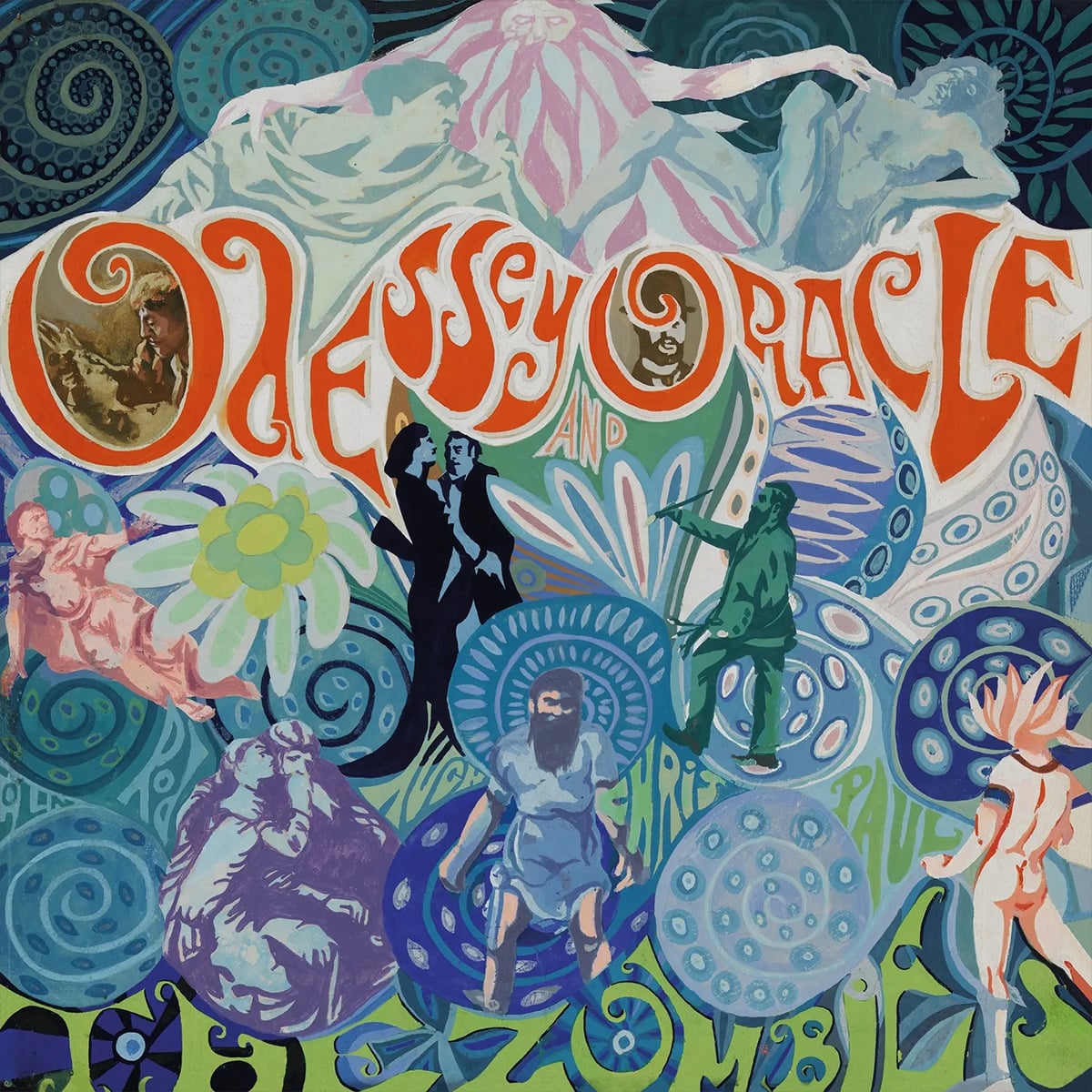
If you didn’t know that The Zombies released Odyssey and Oracle at the height of the swinging ‘60s, then you only need one glance at the swirling cover to realise it. As for the reason for its selection here, “It’s a classic record with a genuine hit on it,” Ehrlich simply qualifies.
“I feel like I heard this record when I was 19 or 20 and, sort of crucially, before I ever really dug in and listened to The Beatles. I wonder if it would have changed things if the inverse happened,” he ponders, before adding, “I just think this record is truly like a collection of the most beautiful melodies and chord progressions ever written.”
But he also has a poignant and deeply personal connection to one song in particular on Odyssey and Oracle. “I got married to a woman from Europe, and we’ve been waiting on visa stuff for over a year now. She just started listening to ‘This Will Be Our Year’ quite a bit in the last month. I know that’s a corny thing to reveal, but I’m like, you know what? I feel it.”
Arthur Russell – Iowa Dream (2019)
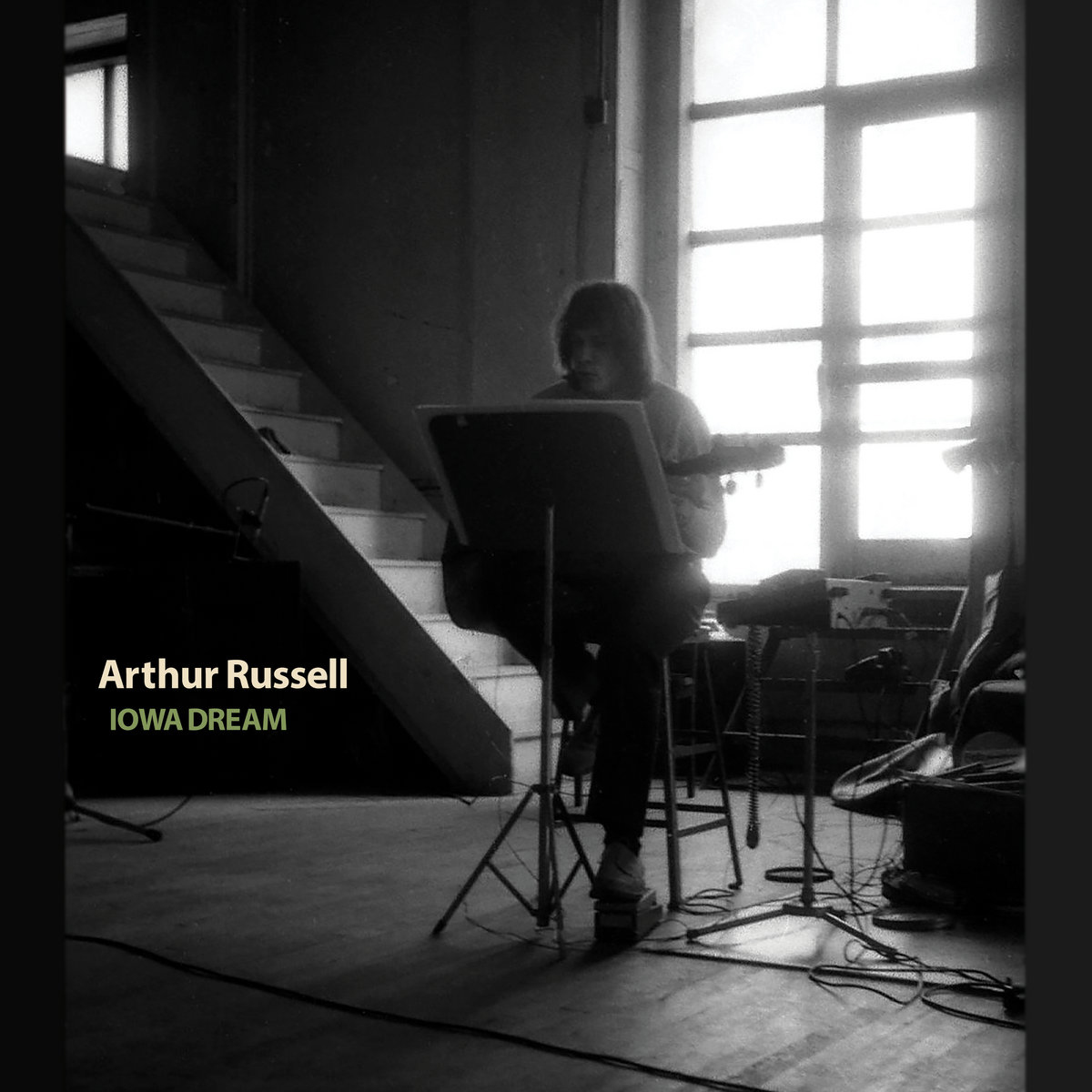
It seems fitting that the last choice on this list comes from both Ehrlich and Kakacek jointly, citing Arthur Russell’s rediscovered collection of 1970s folk songs, released on the 2019 album Iowa Dream. Strictly speaking, it’s the most recent album of all their choices, and one that brings us right into the present of where Whitney are now.
“This would have been a truly a classic record, much earlier than it was released,” Ehrlich says, before adding, “I find it funny that people weren’t like, ‘Oh my God, drop everything. We need to listen to this.'” Kakacek interjects: “What’s fun about it, too, is in this conversation we’ve been talking about individual experiences. This one was a record that came out while the band was in full swing.”
He reveals: “It became a sonic reference point for certain moments in the writing process. When we heard the record, we both became obsessed with it. “When we were writing and recording, we were like, ‘Can we reference this? Can we reference that?’ So more in real time, it was less of an experience that we were taking from our past and more like the present.”
