


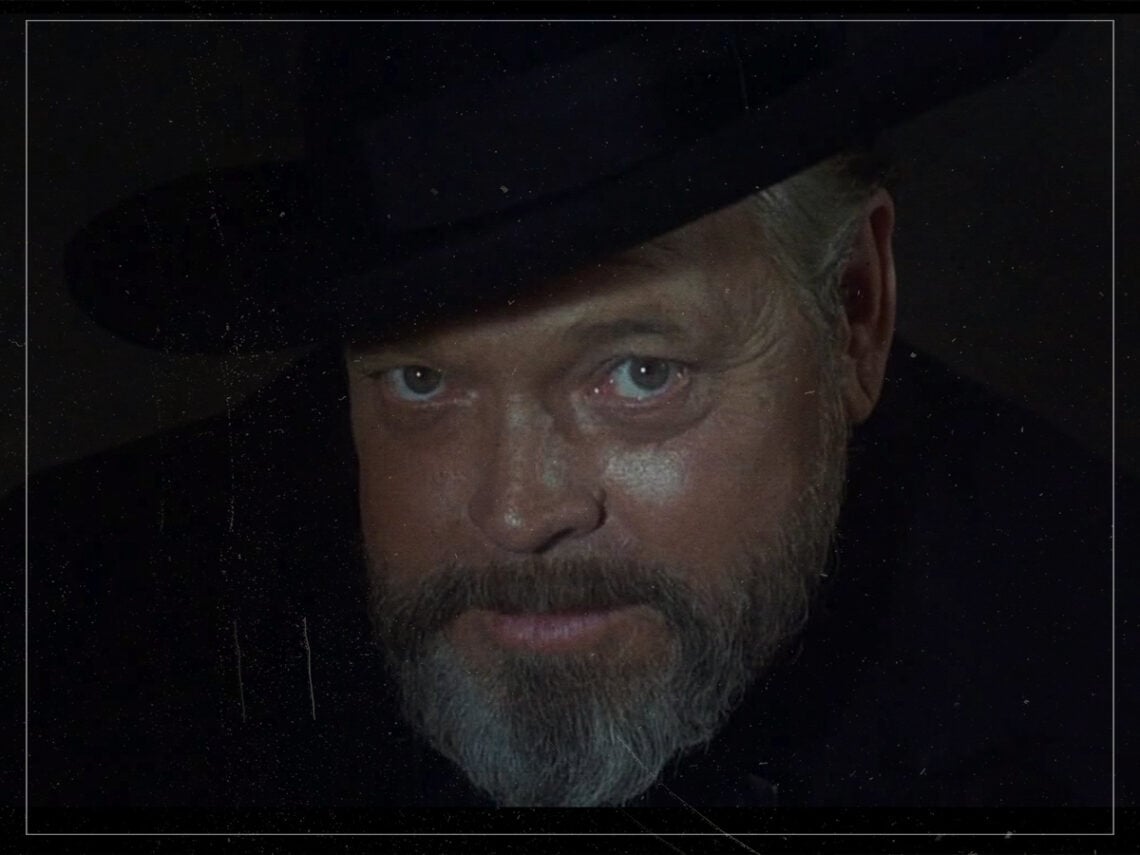
Racism, Burt Reynolds, the Muppets, and Russian roulette: Orson Welles’ insane unaired 1979 variety show

Toward the end of his career, Orson Welles would do almost anything to make a quick buck, and from the outside looking in, there were plenty of worse ways to go about it than fronting a variety show.
After all, the mercurial actor and filmmaker was famed for being one of Hollywood’s most fascinating raconteurs, and with anecdotes for days, there was no denying that he’d be interesting, engaging, and charismatic enough to serve as the host of a recurring TV series featuring special guests and musical segments.
At the very least, it fit him better than voicing a planet-devouring alien robot in an animated Transformers movie or shilling cheap booze, but having spent the back half of his professional life on a never-ending quest for funding to complete even one of his half-baked, unfinished, or abandoned projects, Welles would take whatever came his way, as long as it paid the bills.
Talk shows were, and still are, big business, and having been a regular on Johnny Carson, Dick Cavett, and the other late-night staples, he presumably thought it wouldn’t be a difficult thing to master. In theory, he had every right to be confident, but in practice, the recording of The Orson Welles Show was insane.
His first guest was Burt Reynolds, which seemed a strong place to start, seeing as he was one of the biggest movie stars in the business. By accident or design, though, he turned up wearing the exact same clothes as Welles, and things got more questionable from there when it was time to field questions from the audience.
When it’s posed to Reynolds by an African-American member of the audience whether he sees himself as a star or a superstar, the moustachioed A-lister responded by saying, “Only a Black man would ask that question.” Welles has a wee chuckle at this, but watching it through a modern lens, you can’t call it anything other than what it is: unprompted and unabashed racism.
Next up are Jim Henson, Frank Oz, and the Muppets, which is decidedly less jarring than Reynolds answering a straightforward question with a racist remark, before Angie Dickinson rounds out the star-studded roster. Is she there to talk about her show, Police Woman, which had already won her a Golden Globe from four nominations to go along with her three Primetime Emmy nods? Obviously not.
Instead, she’s there as a magician’s assistant. Who’s the magician? Welles, of course. He performs a card trick, and for the second, he’s strapped to a chair, blindfolded, and plays Russian roulette, informing the audience that he knows which of the six chambers holds a live round. Funnily enough, the networks weren’t interested, and The Orson Welles Show was never broadcast.
After the failed experiment, Welles acknowledged that “it was just a flop, that’s all; nobody wanted it,” which hit the nail squarely on the head. His attempt “to enter the commercial field and earn my living as a talk show host” had failed at the first hurdle, but it lives on as one of the most outlandish moments of a career full of them.
