


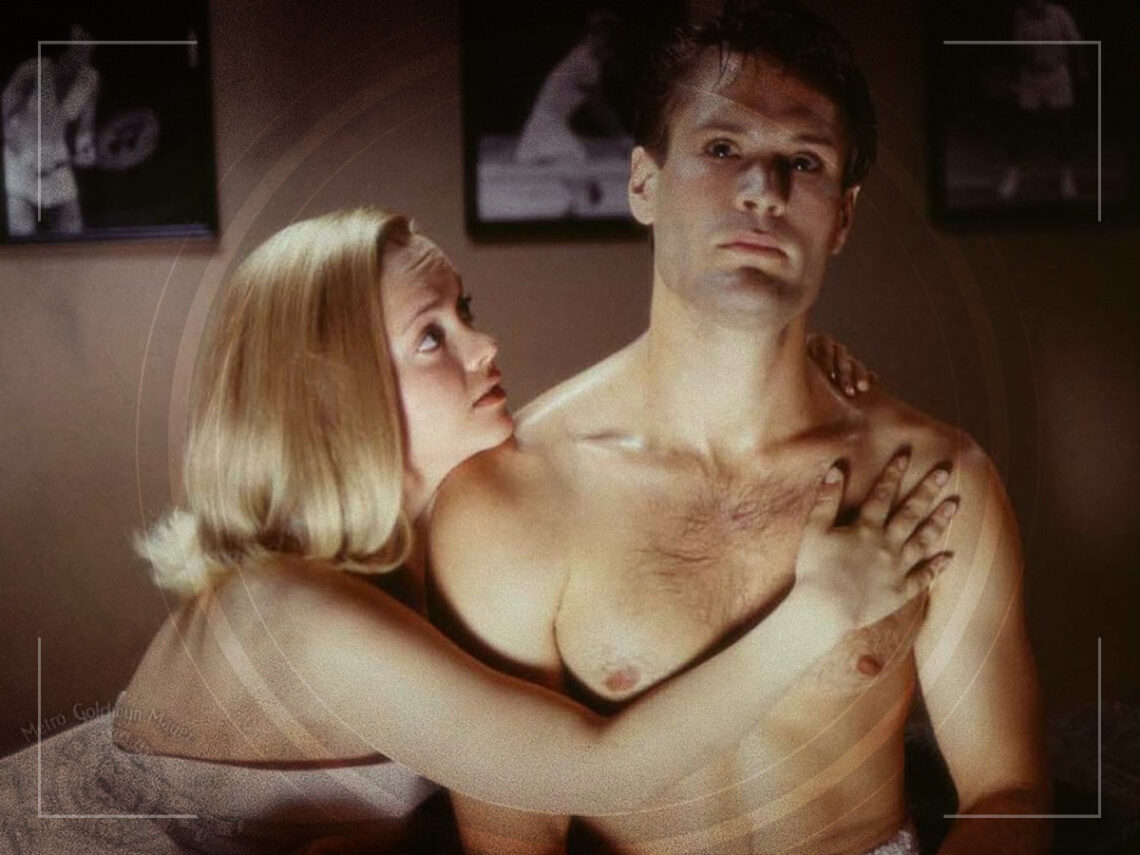
‘Pumpkin’: Could this bizarre Christina Ricci indie be made today?

The representation of disabilities in cinema has a contentious history. For years, physical and mental disabilities, especially bodily deformities, have been associated with characters that are villainous, seemingly equating disabled people with a distinctive sense of otherness.
Countless tropes have emerged over the years, from the hapless disabled person who is made the butt of a joke, to the heroic or infantilised person who is able to “overcome their condition”. This often goes without criticism within the narrative, and rarely have films truly tackled disabled characters with proper nuance and respect.
In 2002, a peculiar romantic dark comedy-drama attempted to satirise the sheer amount of ableism that is deeply woven into the fabric of society, and watching it almost 25 years later, you can’t help but wonder if it would even be greenlit today. Pumpkin, directed by Anthony Abrams and Adam Larson Broder, is a unique take on the forbidden love trope, with an unconventional romance blossoming between Carolyn, a sorority girl played by Christina Ricci, and a disabled young man named Pumpkin, played by Hank Harris.
When the vacuous sorority girls decide to volunteer with the Challenged Games for mentally and physically disabled young men, we instantly see the fear and repulsion that many able-bodied people experience simply from being around those they consider “different”. One student, Jeanine, runs away, unable to even interact with her assigned pupil, while Carolyn finds herself nervous and visibly at unease.
A young Melissa McCarthy appears in a small role as Cici, whom Carolyn initially sets up with Pumpkin on a double date. Yet, when Cici realises she has been set up with someone with a disability, she runs from the date, leaving Carolyn’s boyfriend, Kent, another self-absorbed character, to chase after her. Cici’s disgust with being set up with Pumpkin is a poignant moment, with her equating the matchmaking as a reflection of her own lack of desirability.
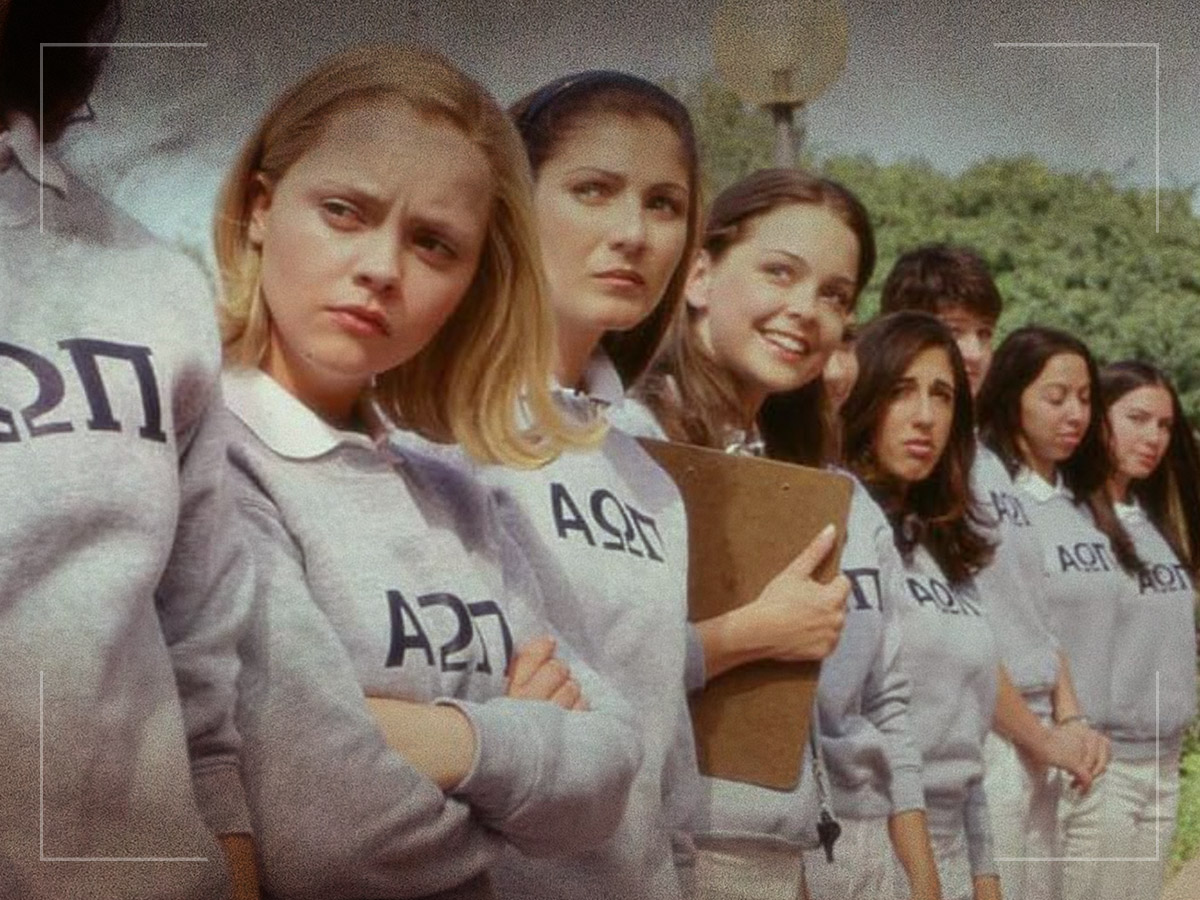
The film continually highlights Pumpkin’s infantilisation and otherness, with his overbearing mother preventing him from living a normal life, employing a childish nickname and smothering him. When he meets Carolyn, a sensitive soul who clearly doesn’t know where she belongs, the bond between them highlights the very basic fact that many people seem to be unaware or ignorant of—people with disabilities are just as worthy and capable of connection and romance as able-bodied people.
This is the message at the heart of the film, yet some of the choices that the movie takes to get there are firmly rooted in that early 2000s era of indie comedies, where the boat is often pushed a little too far. When Kent drives off in a distressed rage after finding out he has been left for, as the movie puts it, an R-word, he ends up manoeuvring off a cliff, with the car bursting into flames.
There’s no way he would’ve made it out of the dramatic accident alive, but of course, he miraculously survives (without burns), only now he is forced to use a wheelchair. His punishment is, it seems, a disability, with the movie equating his fate with retribution; he’s now got a taste of his own medicine.
It’s this climax that makes you wonder how people would react if the movie came out now. In the years since Pumpkin was released, there has been a significant increase in positive discourse surrounding disability representation, with media like Sex Education or We Might Regret This receiving praise for their depiction of differently abled people.
It’s commendable that the movie tried to tackle the issue of ableism with such dark humour and rich satire during the early 2000s—a time when parody satire movies were at their peak, and ableist jokes were part and parcel of them. Yet, Pumpkin is far from perfect, inevitably falling into the trap of presenting disability as something that can be improved (Pumpkin magically starts walking and talking more as the film goes on) or something to be equated with punishment.
Pumpkin was played by a non-disabled actor, too, when a disabled actor could have easily been cast. Thus, the film profits from satirising ableism without giving a disabled actor the opportunity for a major role, thus being guilty of the same problem that is far too common in Hollywood. It’s certainly a well-meaning piece of work, but the film ultimately fails to be a well-rounded satire of the experience of being disabled, predominantly focusing on the mental struggle faced by Carolyn.
Perhaps if it were made today, it would have taken a more nuanced approach, but whether it would even be greenlit is a different question. Pumpkin belongs to an era of indie filmmaking that was boundary-pushing, like 1995’s Welcome to the Dollhouse or 2001’s Ghost World, but cinema looks a lot different now. The fact that indie filmmakers like Todd Solondz and John Waters are unable to get funding these days is really the ultimate proof of the industry’s current reluctance to allow low-to-medium budget films about taboo topics to get made.
