


Psychedelic marketing: The weird world of counterculture and radio ads

Rock and roll has always struggled to level its inherently rebellious ethos with the unavoidably capitalistic nature of the music industry, and despite a shift towards a DIY counterculture during the hippie age of the late 1960s, there were a lot of those psychedelic revolutionaries who still could not refuse the chance to make a quick buck when presented with the opportunity.
When the hippie age first emerged, in a wave of acid-dripped inspiration and in the midst of the rapidly expanding protest movement across the United States, it was in complete opposition to the capitalist, conservative nature of the American state. Yippie leaders like Abbie Hoffman were preaching revolution, not just in a musical sense but in a political, cultural sense, too, and the various groups that emerged from that period tended to fall in line with those beliefs, even if their musical output wasn’t overtly political in terms of lyricism.
Jefferson Airplane, for instance, were about as radical as it was possible to be during the ‘Summer of Love’, typifying the realm of sex, drugs, and rock and roll that the hippie age had brought, as well as showing support for the anti-war movement; Grace Slick even tried to dose Richard Nixon with LSD at one point. In terms of lasting impact, though, the countercultural revolution didn’t have quite the impact the likes of Hoffman might have hoped.
After all, virtually every music scene which begins life as a DIY, countercultural movement eventually succumbs to the allure of the industry bigwigs – even The Clash, who lamented groups who were “Turning rebellion into money,” had to bend to the demands of their major label overlords at various points. Before the Sixties had ended, then, the industry had found a way to market and sell the counterculture boom, somewhat taking the revolutionary sting out of proceedings.
Nothing represented this mass sell-out quite as adeptly as the various bizarre advertisements and radio jingles that emerged towards the end of the decade, seeing the likes of Jefferson Airplane, The Mothers of Invention, Cream, and even The Rolling Stones using their radical output to advertise everything from breakfast cereal to denim jeans.
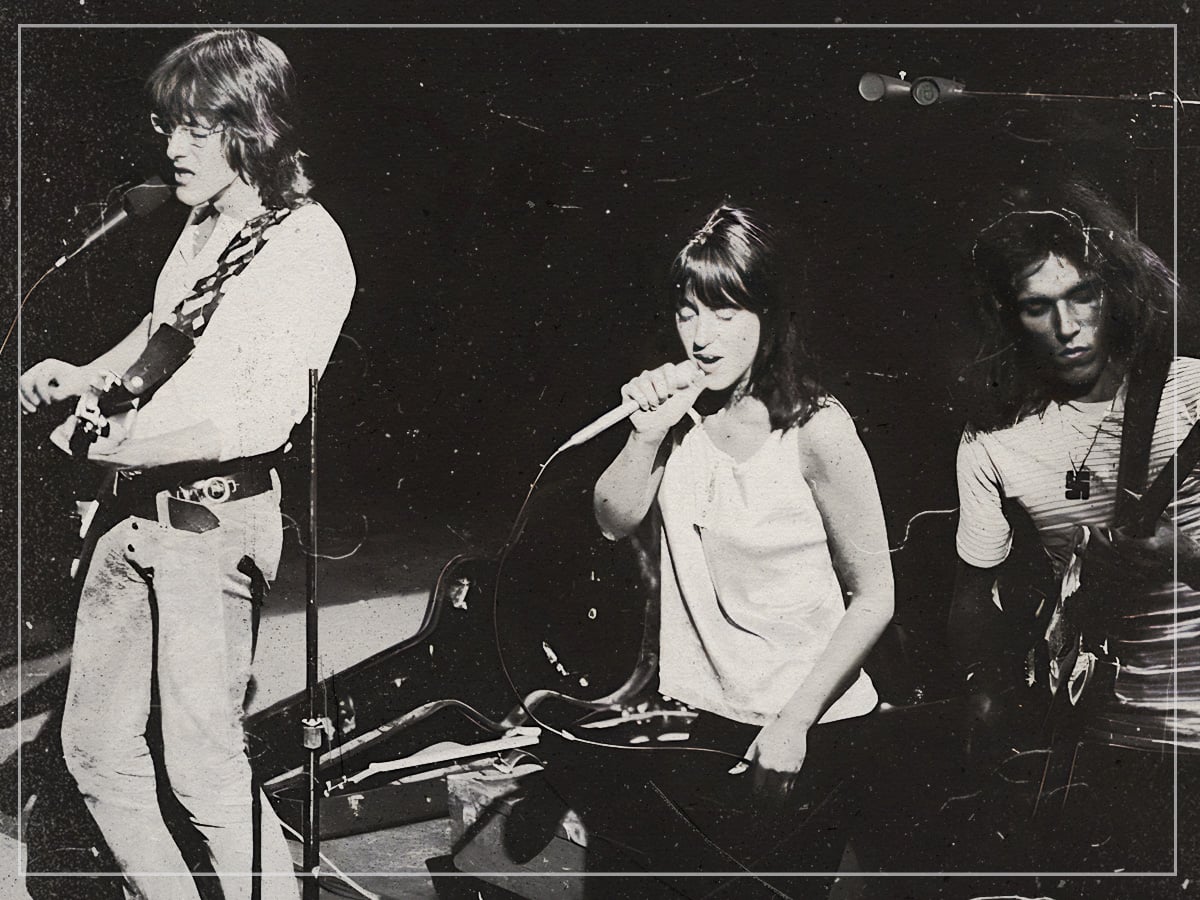
In 1967, Grace Slick and her band of merrily tripped-out men took a break from touring their ultimate masterpiece, Surrealistic Pillow, to record a truly unimaginable radio jingle for Levi’s, advertising an apparently revolutionary new line of white jeans. Clearly attempting to hit the same sound as ‘White Rabbit’ – the definitive song of the hippie age, and Slick’s finest songwriting moment – the jingle has something of a fever dream quality to it, which, to be fair, does distract from the sell-out nature of its content.
The Airplane certainly weren’t the only offenders, however. In fact, a 2014 compilation CD entitled 1960s Psychedelic Radio Commercials charts this unlikely subgenre of mid-century marketing, and it features, among other things, The Troggs shilling out for Miller Beer, Frank Zappa’s Mothers of Invention taking a break from their noble quest of psychedelic experimentation to espouse the joys of the Remington Electric Razor, and The Rolling Stones becoming the sound of Rice Krispies cereal.
Aside from the nonsensical suggestion that any of the Stones are awake early enough to indulge in cereal, this collection of marketing curios does present a view of the counterculture era that doesn’t quite fit in with the rose-tinted view of that period. Despite what fawning biographies and nostalgia-fueled documentaries might suggest, the bands of the hippie age were as much interested in commercial success and royalty cheques as any of the bubblegum pop stars setting their sights on the singles charts at that time.
At the same time, though, money doesn’t magically materialise once you join the ranks of a rock band, and there is nothing inherently immoral about groups like Jefferson Airplane taking a few quid off of Levi’s. You could even argue that the royalties from that endorsement of white jeans helped to finance later records like After Bathing at Baxter’s or Crown of Creation – though, in reality, it was more probably blown on tabs of acid and a few wild nights in San Francisco.
Whichever side of the ‘sell-out’ debate your own personal morals fall upon, whether these countercultural rock outfits lending their talents to major corporations was a betrayal of the revolution or merely a means of putting a few coins in their backpockets, these radio jingles and advertisements remain a strangely enchanting aspect of the hippie age that is rarely remembered.
