


The prog drummer Neil Peart said was out of everybody’s league: “Everything I wanted”

Any drummer would happily give up all of their skills if they could have Neil Peart’s chops for one night. As much as he was humble about his craft until the day he died, there’s no disputing that Peart was one of the best ever to pick up two sticks, turning Rush from a decently sized rock and roll outfit into one of the legends of progressive rock.
Peart did have his favourites before he even started, though, and outside of the powerhouses like John Bonham, he had a massive amount of respect for Michael Giles of King Crimson.
That admiration reflected Peart’s broader approach to drumming. Rather than simply gravitating towards the loudest or fastest players, he was drawn to musicians who balanced technical precision with musicality, treating the drum kit as an instrument capable of shaping a song rather than merely driving its rhythm.
For all of the power behind Peart’s drums, he was always a technician first rather than some fantastic powerhouse. Sure, he may have channelled Keith Moon when he wanted to, but playing along with any Rush song is about remembering where you are when working on Peart’s kit.
Outside of the random time signature changes, Peart’s reliance on using every piece of his kit looks like one of the most difficult things to pull off. Just the thought of committing a song like ‘La Villa Strangiato’ to memory feels like riding a bicycle whilst writing a research paper with one hand tied behind your back.
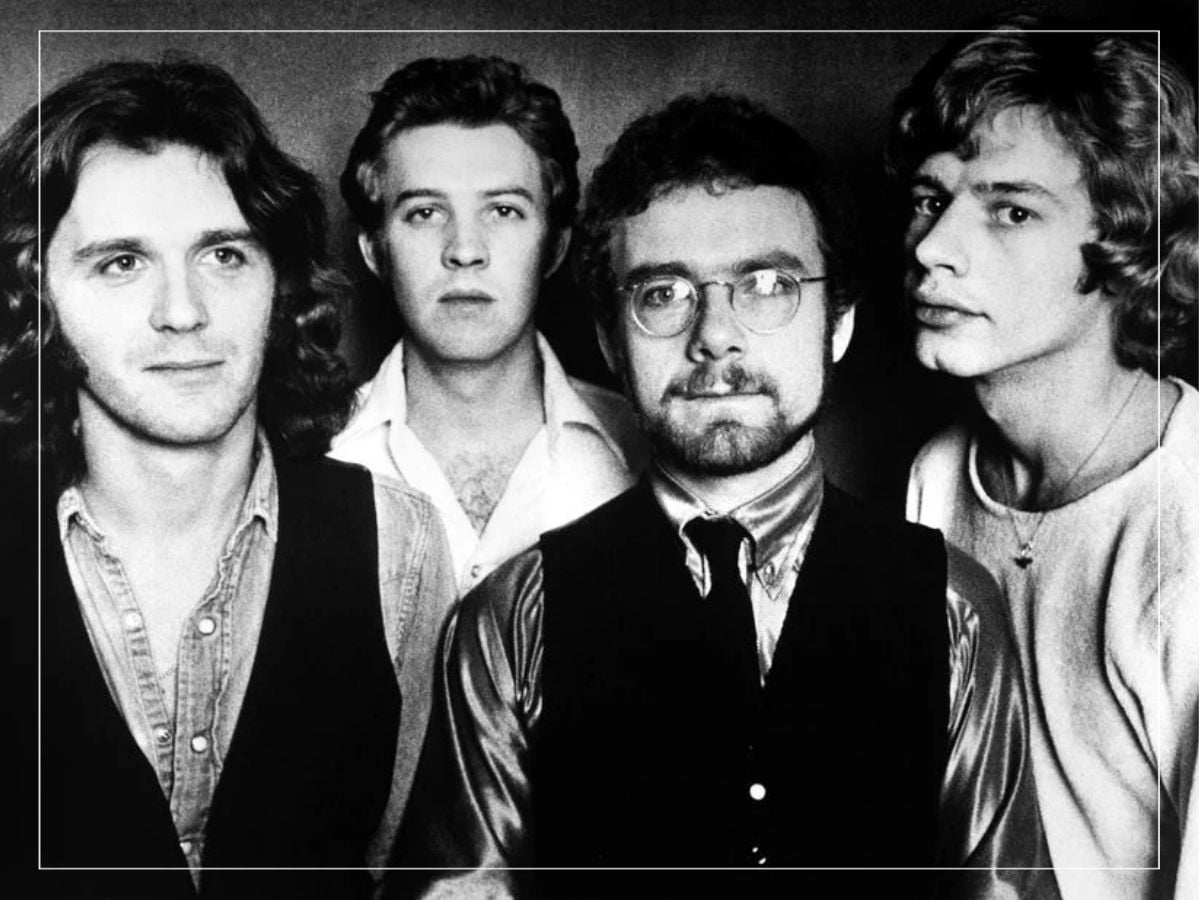
If Peart brought technicians to the mainstream, Giles was the first to show the world what a true technician actually was. Although there would always be limits on how far King Crimson could go with their progressive rock tendencies, hearing him wail on In the Court of the Crimson King is still one of the most impressive drumming feats of the late 1960s.
For Peart, Giles’s performance on that record was everything that drumming should be, telling Rhythm, “It is everything I wanted. It was both disciplined and exciting. He was so fired up by what he was doing, but it was contained within a structure. His fill construction and sense of ensemble playing and orchestrating a part was unparalleled and very underrated”.
For Peart, Giles demonstrated that virtuosity didn’t have to come at the expense of cohesion. Even the most intricate passages served the composition, reinforcing the idea that great drumming is measured as much by taste and restraint as by technical brilliance.
Despite Peart having his own voice on the instrument, he did seem to have a few tricks up his sleeve from Giles. He may have had ten times the stamina as his inspiration at some points, but hearing him tear through different drum fills in the middle of songs like ‘The Spirit of Radio’ feels like Giles and The Police’s Stewart Copeland had a baby.
There is also a healthy respect for jazz in both men’s playing. For all of the great music they could have made under the progressive rock banner, the earliest prog bands seemed to be indebted to people like Buddy Rich behind the kit, exercising the swing while also pulling off drumming feats with the amount of energy most of us would need three Red Bulls to get.
More than anything, Peart and Giles knew the importance of their flashiness and restraint. Whereas most drummers would just play whatever wild drum fill they could think of in every song, everything seemed to be carefully calculated when Peart and Giles performed, almost like they were making musical building blocks to create the rest of the song. Drumming might come down to feel most of the time, but Peart learned from King Crimson that the record is only halfway decent until you have the beating heart keeping everything interesting.
Although Rush and King Crimson ultimately forged very different musical identities, Peart never forgot the drummer who first showed him what was possible behind a kit. Giles may not receive the same recognition as some of rock’s most celebrated percussionists, but through Peart’s influence, his legacy continues to echo across generations of progressive rock drummers.
