


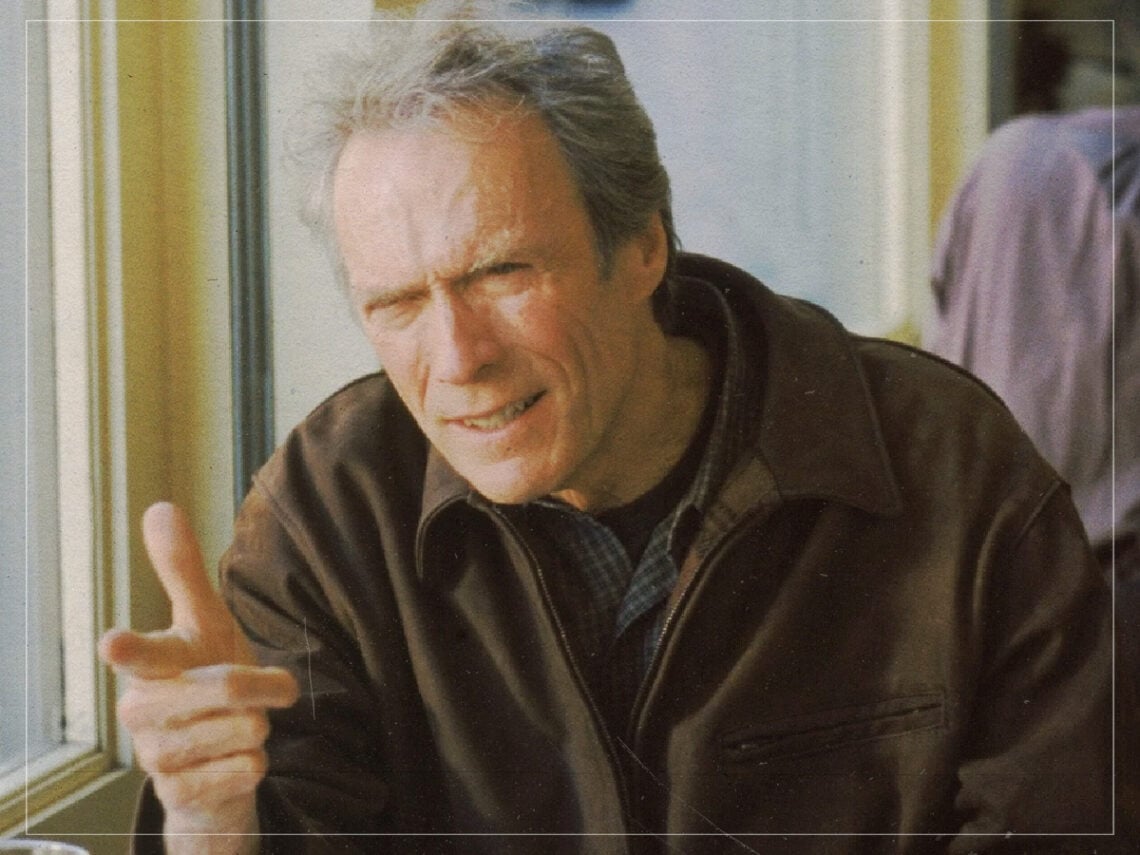
The pretentious 1961 movie Clint Eastwood can’t stand: “He kind of lost me a little bit”

While it’s not always the wisest idea to judge a book by its cover, it can’t be denied that Clint Eastwood looks like someone who’s never had much time for arthouse cinema.
Is it because his screen persona is defined by wielding a six-shooter and gunning down reams of bad guys in genre films? Yes. Is it because his directorial persona is defined by a zero-tolerance policy for bullshit and a dedication to never spending a penny more or shooting a day longer than needed? Also yes.
Is it because he was tangentially complicit in robbing Brokeback Mountain of the ‘Best Picture’ win it deserved after never bothering his arse to watch the screener that the Academy sent to him for that very purpose, opening the door for Paul Haggis’ heavy-handed Crash? According to those in the know, yes again.
Most of the movies that Eastwood has labelled as his personal favourites over the years are usually cut from a similar cloth: they typically hail from Hollywood’s ‘Golden Age’, many of them are in black-and-white, and quite a few of them are westerns. Then there’s Tropic Thunder, randomly, which he loved.
With that in mind, the experimental, atmospheric, uncompromisingly existential, and thought-provoking cinema of Ingmar Bergman wouldn’t strike anyone as something that Eastwood enjoyed. He did up to a point, though, but in much the same way as he felt about Akira Kurosawa, he eventually went off the legendary auteur.
“I’m not nuts about the later stuff,” the four-time Academy Award winner explained. “Some of the early ones were imaginative. Wild Strawberries, I liked. The Virgin Spring, that was the last good one I saw. Then, Through a Glass Darkly and some of those other ones, he kind of lost me a little bit.”
By Eastwood’s estimation, Bergman peaked in 1960 when his Oscar-winning medieval tragedy was released, even though he helmed another two dozen films afterward. Through a Glass Darkly arrived the following year, and while he wouldn’t be the first person to suggest it, he thought that Bergman had gone all the way through the looking glass and evolved into a needlessly pretentious auteur.
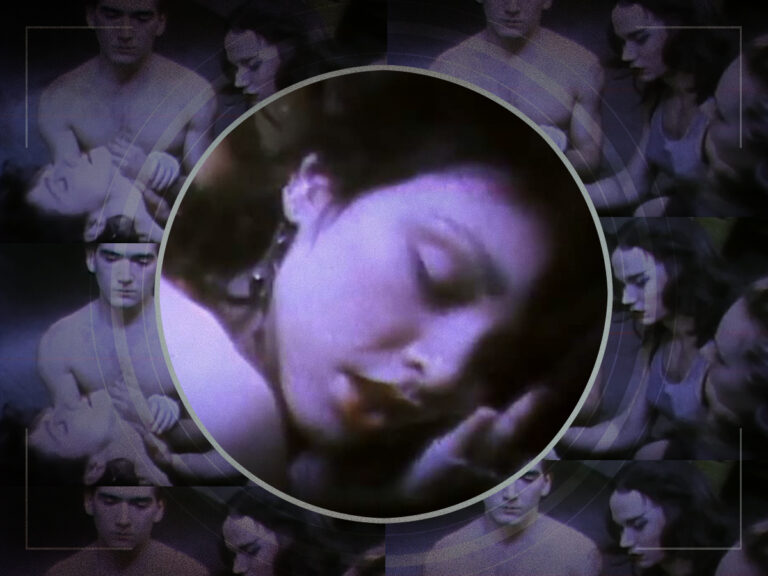

The 1961 psychodrama tracks Harriet Andersson’s Karin as she descends into madness during a summer spent at her family’s remote island cottage. Emulating a three-act play in its structure, and winning another Oscar for ‘Best International Feature’, the whole ‘spider-god’ thing isn’t for everyone, and that would include Eastwood.
“The guy’s done some marvellous things, but never advanced for the day,” the icon ruminated. “Overindulgence isn’t limited to anybody, no matter how bright they are.” Many would call it a masterpiece, and they’re not wrong, while others would call it a navel-gazing exercise in pretention. They’re not wrong, either, since everyone has their opinion, but Eastwood made it perfectly clear which side of the fence he fell on.

Never Miss A Tale
The Far Out Clint Eastwood Newsletter
All the latest stories about Clint Eastwood from the independent voice of culture.
Straight to your inbox.