



The one thing Pam Grier hates the most about Hollywood: “I don’t even want to hear that word”

The world of Hollywood is unlike any other industry. It’s one where employees become superstars, their careers followed by millions of watchful eyes, every move highly scrutinised. Actors are placed in ranks, with star power often overriding ability. To some, the very makeup of Hollywood, with its hierarchy akin to that of the worst years of your high school experience, is completely flawed.
For Pam Grier, who rose to prominence in the 1970s as the star of many influential blaxploitation classics, like Foxy Brown and Coffy, Hollywood has always been a strange place, and there’s certain parts of it that she can’t stand. It makes sense, considering that she began her career outside of the mainstream.
Grier’s earliest roles were in a string of women-in-prison exploitation films, such as Women in Cages and The Big Doll House. These were strikingly different from your typical Hollywood movie – the budgets were much lower, while the content was much more controversial. These films might’ve introduced Grier to the screen, but it took a few more years for her to make it into Hollywood’s ranks as a bigger star, spurred on by the success of Foxy Brown.
Since then, she has appeared in everything from Quentin Tarantino’s blaxploitation homage Jackie Brown and Eddie Murphy’s terrible The Adventures of Pluto Nash to acclaimed TV shows like The L Word and the ABC sitcom Bless This Mess. Admittedly, her career as a film star over the past few decades hasn’t been as successful as it once was, but she’s selective, refusing to take on roles that she feels are wrong for her.
The thing is, Hollywood is a complicated place to work, and it can be easy to accept roles just because they’ve been offered to you, and because you’ll get the chance to work with a certain group of stars. Grier just wants to be seen in roles that feel authentic and meaningful. That’s why she turned down the chance to cameo in David O Russell’s Amsterdam after a previous project of his involving the actor fell through.
She explained to Entertainment Weekly that he said, “‘I’ll write something for you in Amsterdam. I’ll give you the best dialogue.’ I said, ‘Nope. I don’t want just screen time. It’s not a consolation prize. I want it thought through. I want it to have a purpose and a place.’”
Her worry was that she was going to “get lost in a group of A-listers,” which led her to another thing she hates about the industry. “I don’t even want to hear that word. It’s demeaning when you call people A-listers – sets are classrooms, these are artisans.”


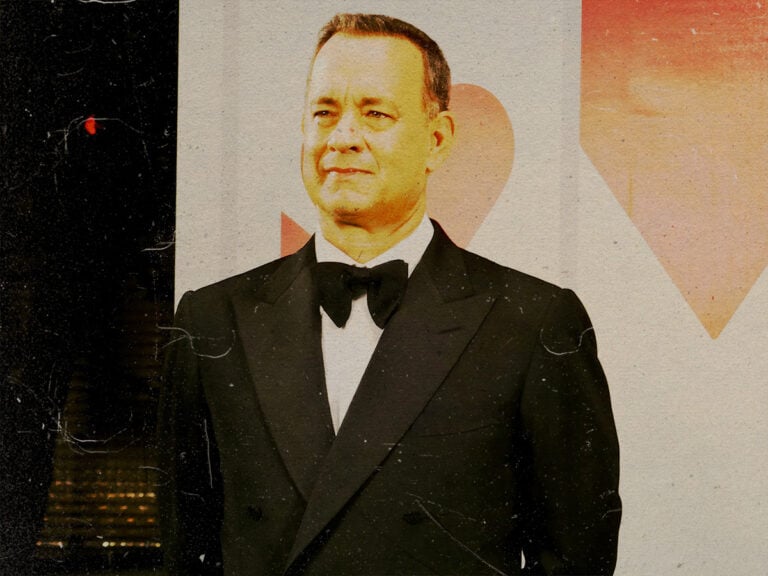
Reducing actors to their place in Hollywood’s ranks doesn’t sit right with Grier, because it really does a disservice to an actor’s ability. Grier might not be an A-lister in the same way that an actor like Tom Hanks or Margot Robbie is, but that doesn’t mean she doesn’t have the talent to lead a film by a major director.
She believes that everyone should be treated equally in Hollywood, and that actors should only take on roles with proper “purpose” – not those that have simply been created to get them on the screen.
