


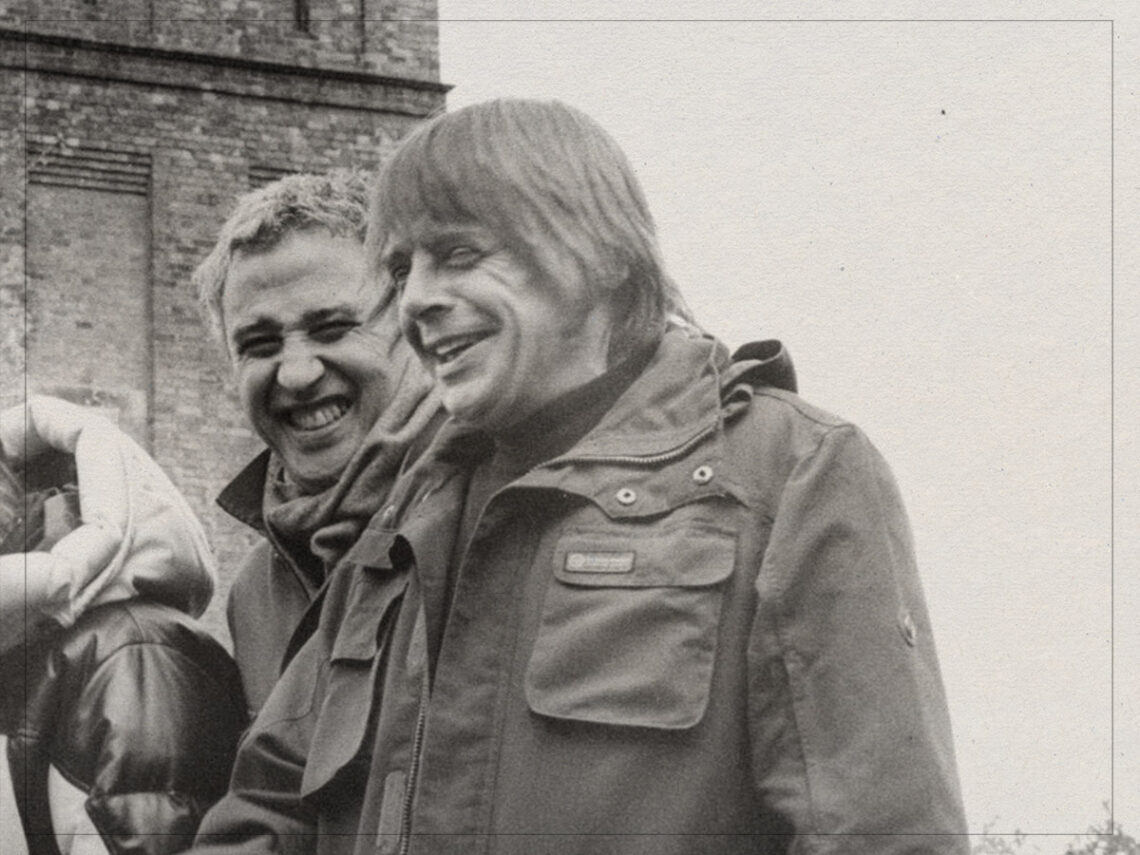
The liberating power of Primal Scream, according to Mani: “Travelling show freaks”

Being in a colossal, era-defining band like The Stone Roses is the stuff of indie kid fantasies, but the reality came with an insurmountable degree of pressure, what with the exhaustive touring schedule, being cooped up in a studio with the same three blokes, and all the time dealing with the mounting expectations of the masses. It is no surprise that Mani was eager to get out while he could.
Calling The Stone Roses a musical revelation would be a massive understatement; when that eponymous debut hit the airwaves back in 1989, the Manchester outfit changed the musical landscape forever, as well as uniting multiple factions of the musical landscape. It drew inspiration from the blossoming world of acid house and illegal parties, but it was also indebted to a fascination with late 1960s psychedelia, a punk attitude, and the indie sounds of the band’s Mancunian surroundings.
As Mani and co soon found out, though, releasing a debut album as earth-shattering as The Stone Roses came with a plethora of side effects. Namely, millions of eyes were suddenly surrounding this group of young lads from Manchester, eagerly demanding that they create another masterpiece of equal or even greater quality. To top it all off, the band also became embroiled in a legal battle with their label in the wake of their debut.
Inevitably, then, when Second Coming finally saw the light of day in 1994, the response was lacklustre to say the least. Despite – and the argument can wage on for many more years, as far as we’re concerned – being an objectively good album, the disappointment was palpable at the time of its release, and the atmosphere within the band itself has long since soured. Within two years, the group had dissolved and, if anything, it came as a relief to their bassist.
Every member of the band went off and did their own thing in the wake of the split, but Mani managed to jump ship to an equally revolutionary indie outfit, Primal Scream. Although, like their Manc counterparts, Primal Scream had arrived onto the mainstream radar with thanks to an inarguable masterpiece in Screamadelica, the Creation outfit were already well-aquainted with reinvention, having already embraced a wealth of different sounds – some more commercially successful than others – by the time Mani made his mark with 1997’s Vanishing Point.
Not only did Primal Scream lift the pressure off Mani somewhat, but it also allowed him a much greater degree of artistic freedom, and a level of input that he wasn’t really afforded with The Roses (which is perhaps why he stayed with Bobby Gillespie’s outfit for far longer than he was ever in The Stone Roses).
Explaining the liberating power of the Scottish outfit during a 2011 interview, per Digging A Hole, the bassist explained, “Well we could end up doing a fucking skiffle album, you just never know. That’s something we haven’t tried yet and we’ve been around for about 8,000 years now so maybe it’s time.”
Unlike The Stone Roses, who were buried under a mountain of expectations, Primal Scream were more or less free to experiment with whatever sound they deemed fit, and that seemed to suit Mani’s sensibilities. He joked, “We’re gonna turn into travelling freak show freaks like the bearded lady or the fucking human dick, you know what I mean?”
Concluding, “There’s a kind of voyeuristic way in which people see Primal Scream, I think. They’re just staring going ‘what the fuck is that all about?’ So we can’t disappoint ’em can we?”
It is fair to say that, in giving that quote, part of Mani’s mind was still harking back to the disappointment of Second Coming back in the 1990s; something he never had to worry about during his time with Primal Scream, despite both outfits having had an incredible impact on the landscape of indie and alternative music since their late 1980s inceptions.
