


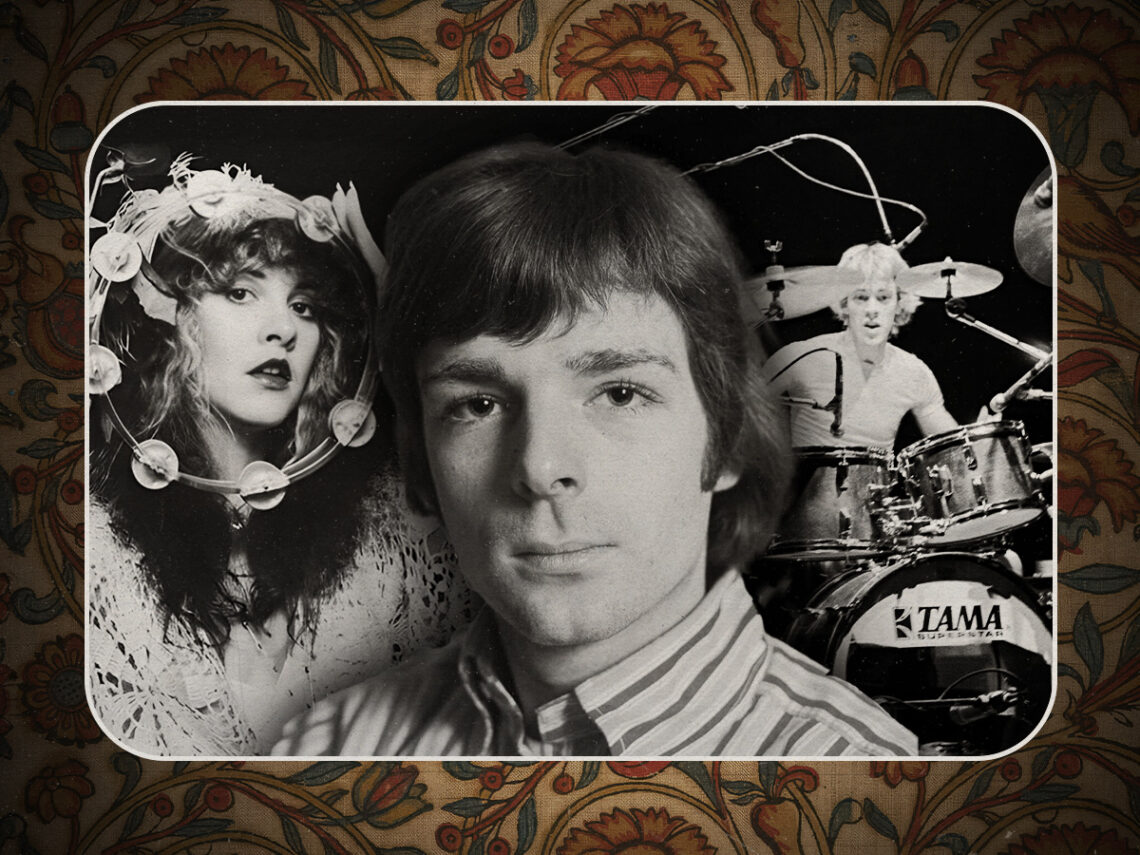
10 great musicians held back by their band

Rock and roll was never meant to be a showy genre when it first began.
The greatest musicians of their time, like Chuck Berry, were certainly impressive back in the day, but sometimes the greatest artists were the ones who needed to show a little bit of flash if they wanted to get noticed. But even in bands as great as The Beatles, there are often a handful of people who end up getting reined in a little too much behind the scenes.
That’s not to say that there isn’t a good reason why some people have to be pulled back to a certain degree. Sometimes a song demands musicians to keep things simple half the time, and even if they could have easily turned any song into the most intricate rock and roll song ever created, the notes that you don’t play are often as important as the notes that you do whenever you make a record.
Then again, it’s still a shame to see some of the greatest names in rock and roll kept under wraps every now and again. It’s not like they are taken for granted all the time or anything, but when you start to see what they are capable of outside of their band, you can tell that they want to make something classic but are being forced to push themselves back whenever they are playing someone else’s tunes.
There’s nothing wrong with someone playing to the strengths of the rest of the band, but it is a shame to see some of the biggest names in music being forced to censor themselves when they could have easily torn any other band apart. What they did was absolutely beautiful for what it was, but there was always going to be a little bit of regret knowing that they could fly off the handle at any given moment.
10 musicians who are held back by their band:
Wes Borland – Limp Bizkit
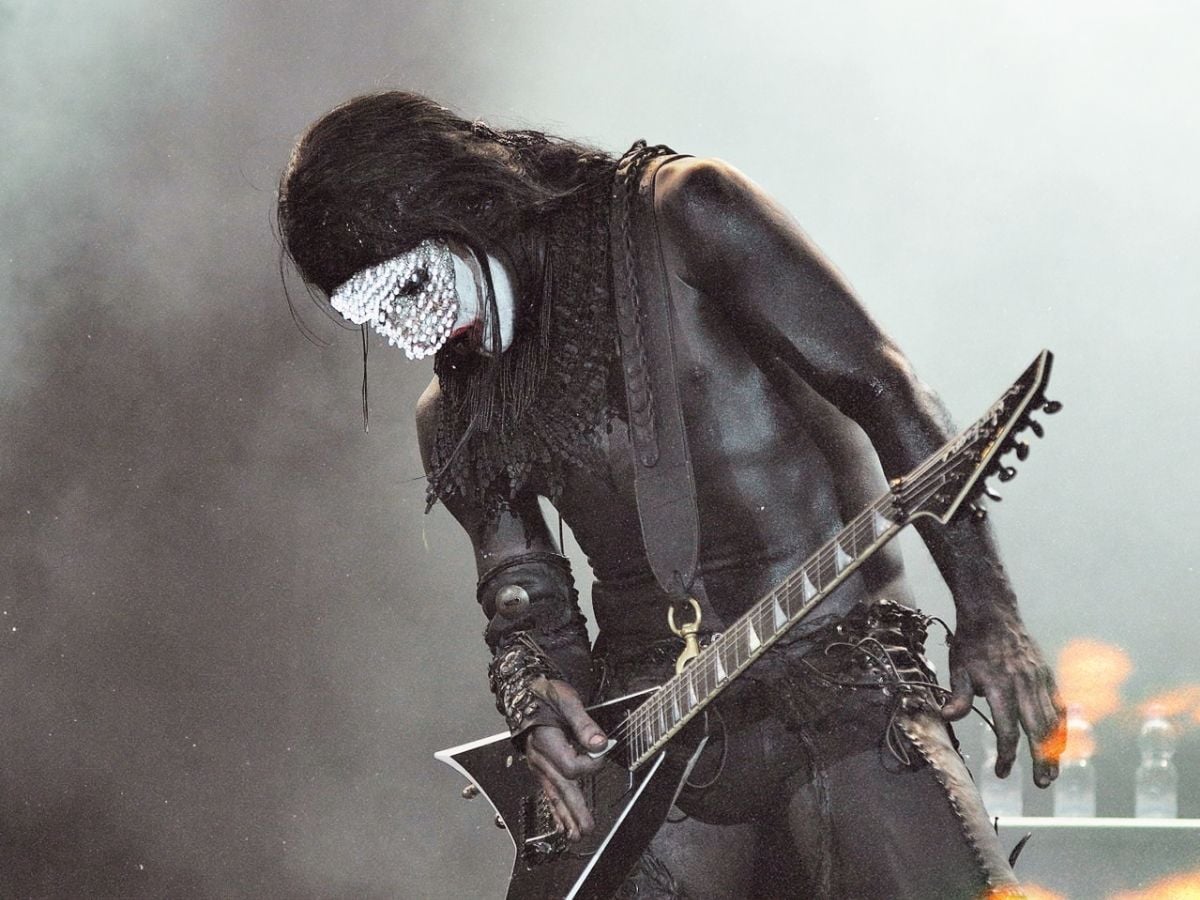
So I will say right at the top that I’m going to try not to pick as much low-hanging fruit on this one. Many no-name bands tend to have a bunch of musicians that aren’t half-bad, and even with bands that seem to be objectively terrible, there are always those few songs that actually have some sort of spark to them. But for a band that was as ridiculous as Limp Bizkit was back in the day, it’s astonishing that they were able to pick such a great guitar player out of the woodwork.
Even compared to the other guitar giants of the 1990s, Wes Borland is head and shoulders above virtually all of his peers. He might not be the first person that everyone would think of to lay down a tasty solo, but his interest in the more obscure sides of alternative rock, like Primus and Mr Bungle, is what made their music sound so weird. He was the one who made the riffs to ‘Nookie’ and ‘Break Stuff’ sound iconic, but it seems that the band knew they had a good thing before they even started.
Once they started making some money, Borland figured that he could do a lot better than being in a rap-metal outfit, and he eventually had to be strong-armed into coming back after the rest of the group wouldn’t stop bothering him. Even though a lot of bands have that sense of camaraderie before people had even heard of them, Borland at least seemed to be in on the joke that his band sucked before anyone could say anything.
Dave Matthews – Dave Matthews Band

The Dave Matthews Band has always been a little bit too good for their own good half the time. As much as they can deliver whenever they perform live, it’s almost impossible to capture that sense of musical community that they create onto a record, even if Matthews’ voice was halfway decent. They could at least give you something to work with, but Matthews might be the only case of an artist who is being held back by himself every time he makes one of his albums.
Let me explain. It’s not like Matthews is a poor musician by any means. In fact, he’s among one of the greatest forces that the jam band scene ever spat out, and yet whenever he opens his mouth, there tends to be a pretty hefty division in the room. There are the casual fans that love and respect every chance that he takes, but then there are a few too many that have heard a song like ‘Crash Into Me’ being played badly out of every single college dorm room by jokers that are looking to get laid and written him off for the rest of their lives.
Even when listening to his live concert from Central Park, not even the guitar glory of someone like Warren Haynes could really take away from Matthews’s voice half the time. It’s the voice that made him millions of dollars, and I’m sure he’s crying all the way to the bank every time he goes out on the road, but he still feels condemned to that same John Mayer zone where he is a living legend in his own right but gets too overshadowed by his own image half the time he performs.
Brad Delson – Linkin Park
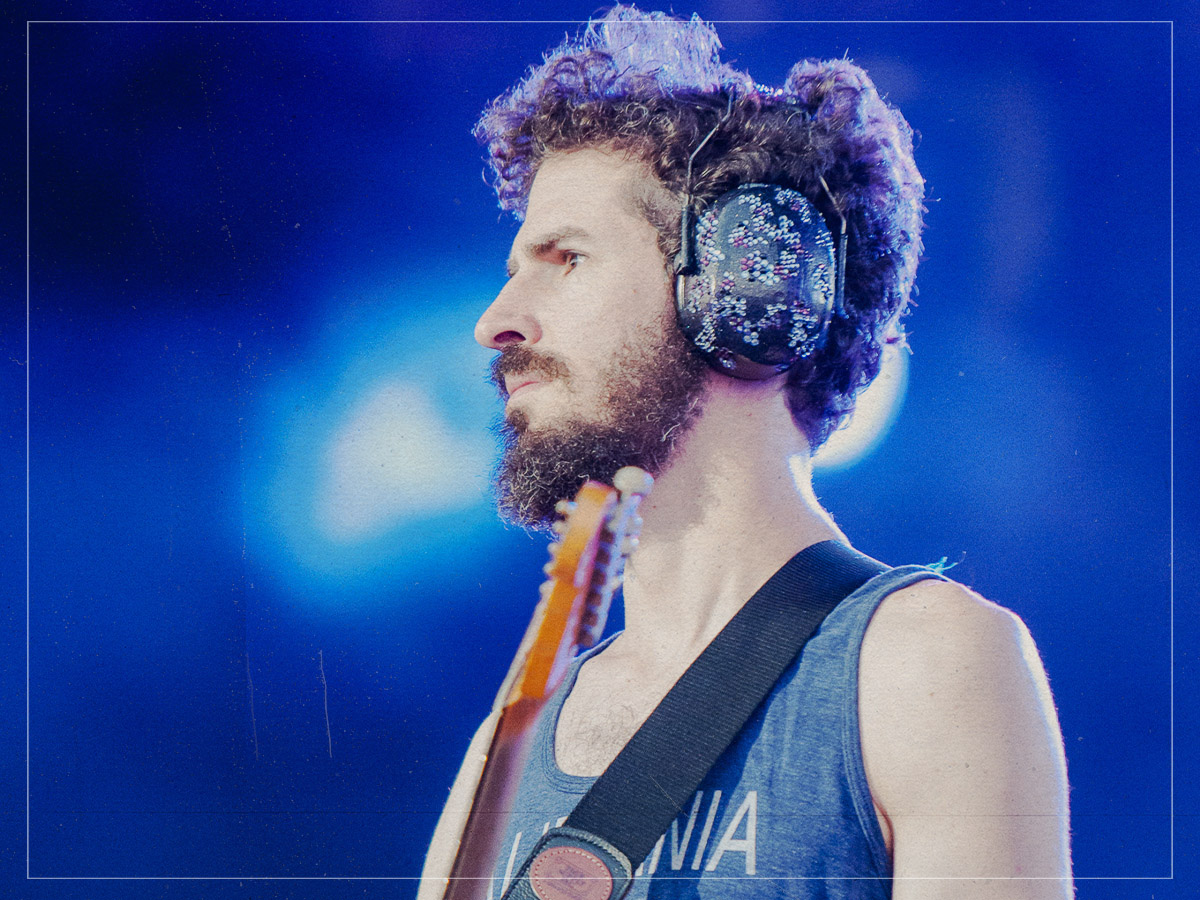
The nu-metal scene was never one to have a lot of guitar heroes. The grunge revolution had done away with bands that focused on shredding their way through every song, and since the genre didn’t really have anywhere else to go, it was a lot easier for bands to droptune their guitars and focus on the riff rather than learn any kind of scale. But even when Linkin Park stormed onto the scene making the best hard rock ever made, Brad Delson seemed to be a lot more underused than everyone else.
Then again, it’s not hard to see why, either. When you have a singer like Chester Bennington among your ranks, it’s usually a good idea to create a bed for the vocals and move the hell out of the way, but that’s not all Delson has to offer. He was a great rhythm guitarist on those early records, but if The Hunting Party taught the fans anything, it was that they had been dealing with the kind of guitarist who could have hung with the greatest in the rock sphere without really knowing it.
You might not know it from all of their hits, but ‘In Pieces’ is the clearest indication that the band needed to give him more time to shine during their prime. Not everything that he played was going to be on the level of Satriani or anything, but especially when their songs began getting a bit too monotonous, some of the more forgettable moments of Living Things could have benefited from throwing a guitar solo into the mix.
Joe Trohman – Fall Out Boy
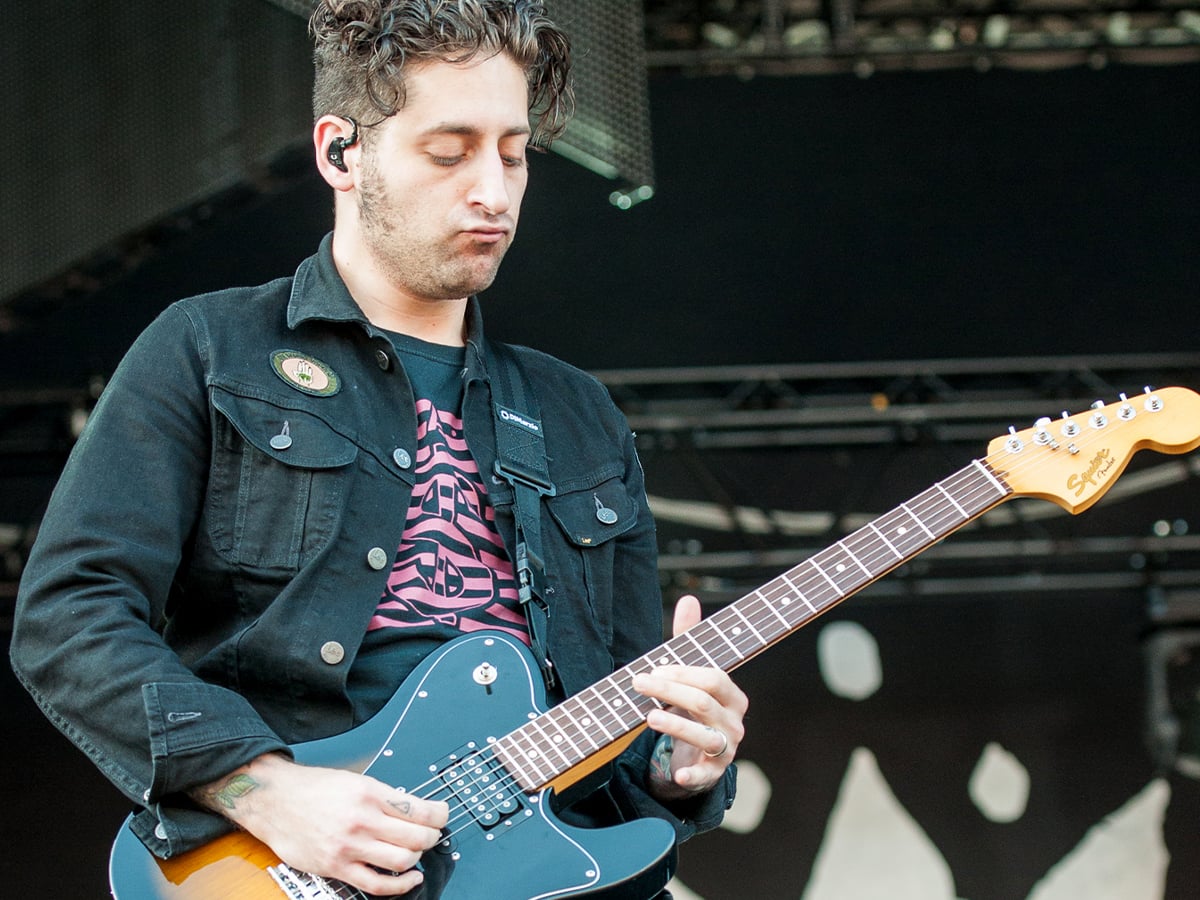
In the grand scope of pop-punk, Fall Out Boy have had the most complex shelf life. On one hand, they are responsible for some of the greatest songs of the decade and will forever be immortalised for ‘Sugar We’re Goin’ Down’, but it’s hard to really compliment the same band that gave us such tracks as ‘Centuries’ and ‘Young and Menace’. You have to take both into consideration when looking at their legacy, but through it all, Joe Trohman was always the one with the great guitar chops.
While the focus is primarily on Patrick Stump’s vocals and Pete Wentz being the pretty boy through every facet of their career, Trohman’s chops as a punk guitarist are one of the most underutilised parts of their sound. It’s called pop punk for a reason, and when you listen to some of the hardcore punk stuff that they released on their handful of EPs, it’s like listening to a completely different band when going back to a song like ‘My Songs Know What You Did in the Dark’.
And that’s without even touching The Damned Things, which sees him teaming up with some of the biggest names in metal when he isn’t playing the occasional riff whenever his main band takes to the stage. Musicianship was never a priority in pop-punk, but you know you have a solid rhythm player among your ranks if they can be in a band with Scott Ian from Anthrax and actually hold their own.
Stewart Copeland – The Police
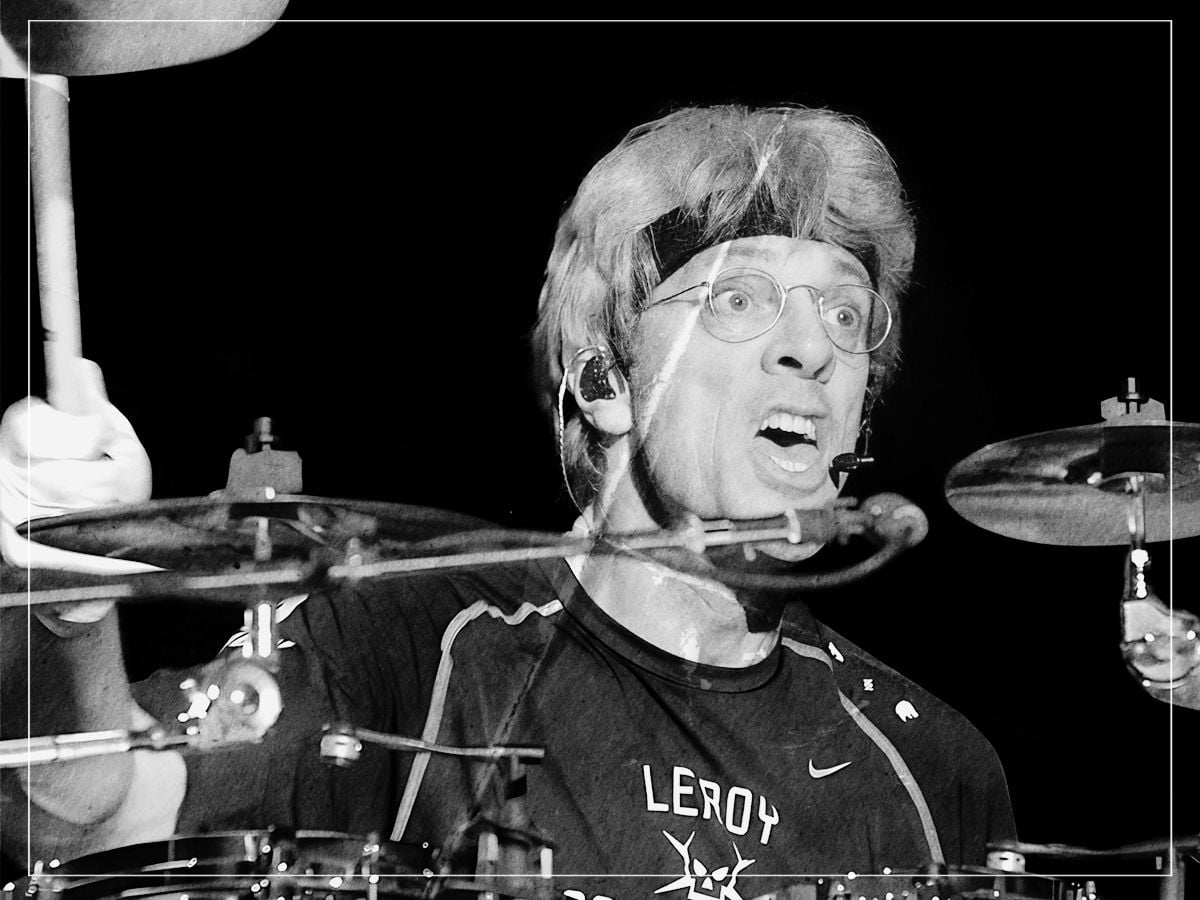
The key problem during every era of The Police usually came down to giving everyone equal time. Any great power trio needs to hold up one end of the tripod or else everything’s going to collapse, but it wasn’t exactly easy for the rest of the band to eat humble pie while Sting continued to get better and better as a songwriter on every one of their albums. When looking from the sidelines, Stewart Copeland was crafting some of the most extravagant drum parts that the world had ever seen.
You wouldn’t know it if all you listened to was the melody, but Copeland’s patterns were often drumming hooks whenever he got behind the kit. Even for a band that had influences from the jazz world, Copeland was the one pushing the band forward most of the time, whether that was getting that amazing ring out of his snare on ‘Synchronicity II’ or on ‘Message in a Bottle’, where his tom-tom hits are as essential to the song as Andy Summers’s guitar lick.
That flashy playing was also what caused the tension half the time they played together, but that was never a bad thing, either. Sometimes it takes a little bit of tension in a band to create those masterpieces, and while Copeland is far more content to play drums the way he wants to today, every drummer has a wonderland to work through when going into any of those early Police records.
Mike Dirnt – Green Day
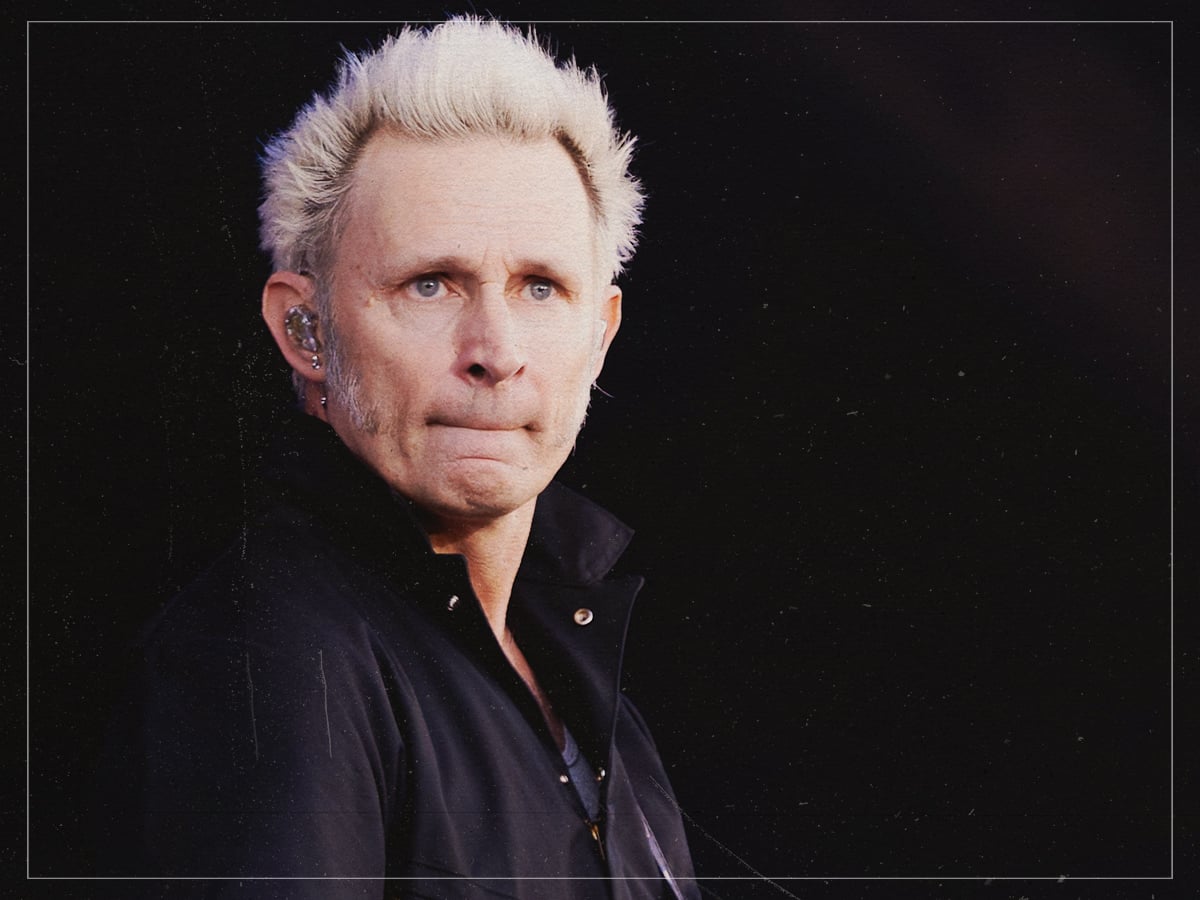
Green Day were never a band that anyone needed to think too hard about when they came out. This was a band that named their entire magnum opus after a piece of shit, and even though the songs were catchy as all hell, it’s not like it took a musical savant to figure out what Billie Joe Armstrong was playing on every song. He stuck mainly to power chords and relied on songwriting, but as soon as they started to take themselves seriously, something seriously changed in Mike Dirnt.
While he has done a serviceable job as one of the greatest support men in rock and roll, things had started to wane ever since the American Idiot days. He has been serving the song admirably for decades at this point, but all the OG fans remember the days when his bass led the entire song. ‘Longview’, ‘Stuck With Me’ and ‘She’ are classic examples of him driving the song, and when you listen to it in the context of the rest of the band, half of his best lines end up overshadowing a lot of what Armstrong is doing whenever he plays.
Maybe it’s a case of Dirnt wanting to keep things simpler for the sake of Armstrong’s songwriting, but with every new album, it’s hard not to think back to the good old days when everything sounded a lot more lively. Dirnt is still one of the greatest punk bassists of all time, but there might be a chance that he doesn’t have another line like ‘Welcome to Paradise’ left in him anymore.
Stevie Nicks – Fleetwood Mac
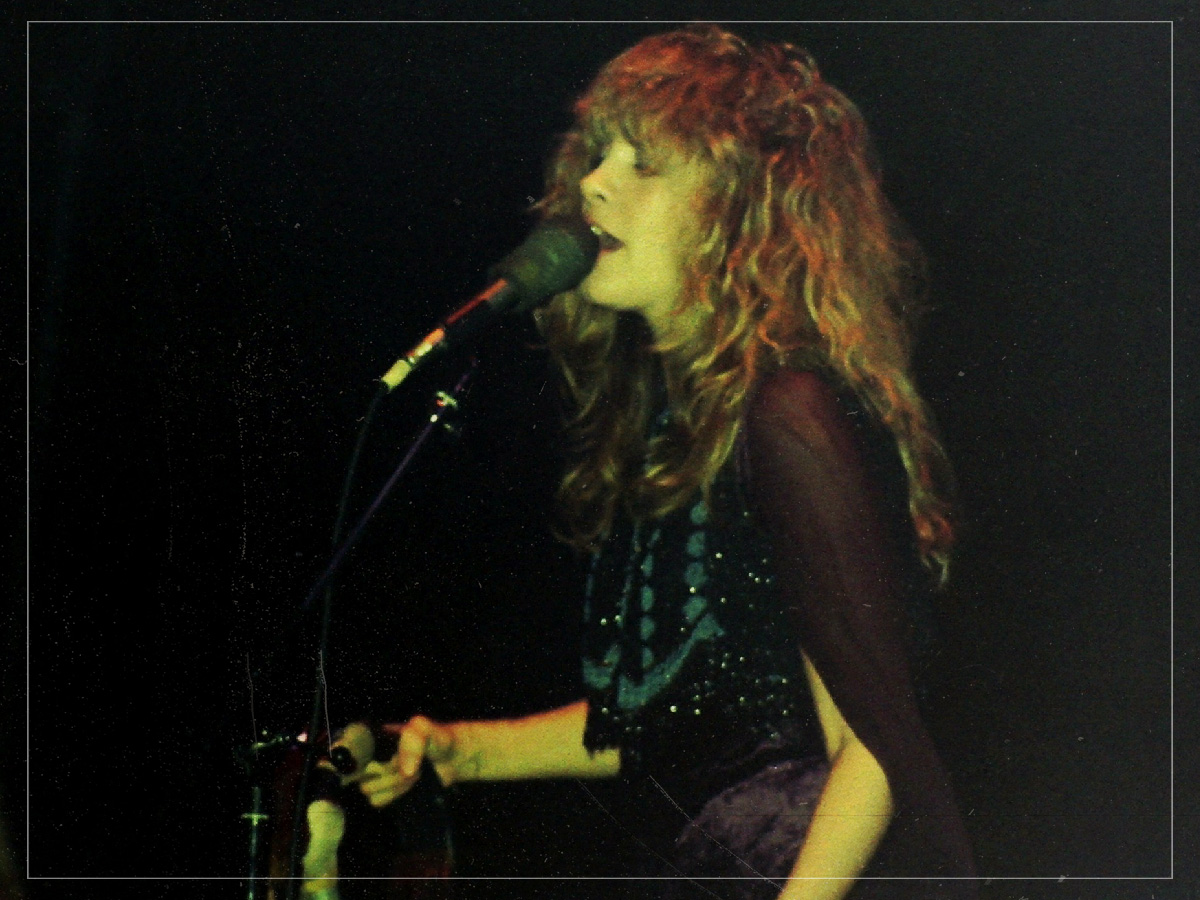
It would have been hard to manage a band like Fleetwood Mac even if they weren’t all sleeping with each other. The relationship problems throughout the recording of Rumours was only one facet of their musical identity, and even when they were able to swallow their pride, they still had to deal with not burning themselves out and somehow finding a way to get up onstage without wanting to kill each other. But by the time they became superstars, Stevie Nicks still seemed to be too under-utilised.
That might sound insane considering she was the biggest star in the band, but more often than not, Nicks had to fight to get every one of her songs on the record. She wasn’t trained like the rest of her bandmates were on any instrument, but even if she only had a handful of ideas in her head, she knew that she had more to offer than ‘Rhiannon’, especially when half of her songs for Tusk ended up getting rejected to make way for more of Lindsey Buckingham’s strange experiments.
So when she finally struck out on her own, everyone started to realise what they had been missing all those years. She was more than capable of being a tour de force, and while many of her solo records did have some help from everyone from Tom Petty to Waddy Wachtel to Don Henley, it was practically a reminder of the kind of magic that ‘The Gold Dust Woman’ possessed every time she played with ‘The Mac’.
Slash – Guns N’ Roses

There’s a good chance that Guns N’ Roses would have never made it if not for Slash. In a sea of a bunch of wannabe rockstars trying to doll themselves up as much as possible, they seemed like stray dogs that had been unleashed every single time they played the Los Angeles club scene, with one of the most tasteful guitarists that anyone had ever heard behind them. But even with all of his chops, Slash didn’t truly get to show people what he could do until after he left the band.
He already created some of the finest guitar solos ever written on ‘November Rain’ and ‘Sweet Child O’ Mine’, but when he had to start cowering to Axl Rose’s demands, he figured that he would be much better appreciated with his own outfit. And from there, he never really looked back, working with everyone from Bob Dylan to Ray Charles to Carole King and yet still finding time to make brilliant side projects like Velvet Revolver and also having everyone come to him when making his solo record in 2010.
And while all the GNR drama is water under the bridge now, there’s a reason why Slash still remains a solo star in his own right whenever he isn’t jamming with Rose again. He was put on this Earth to play guitar, and he wasn’t about to let anyone get in the way of him creating some of the most balls-to-the-wall rock and roll that he could.
Richard Wright – Pink Floyd
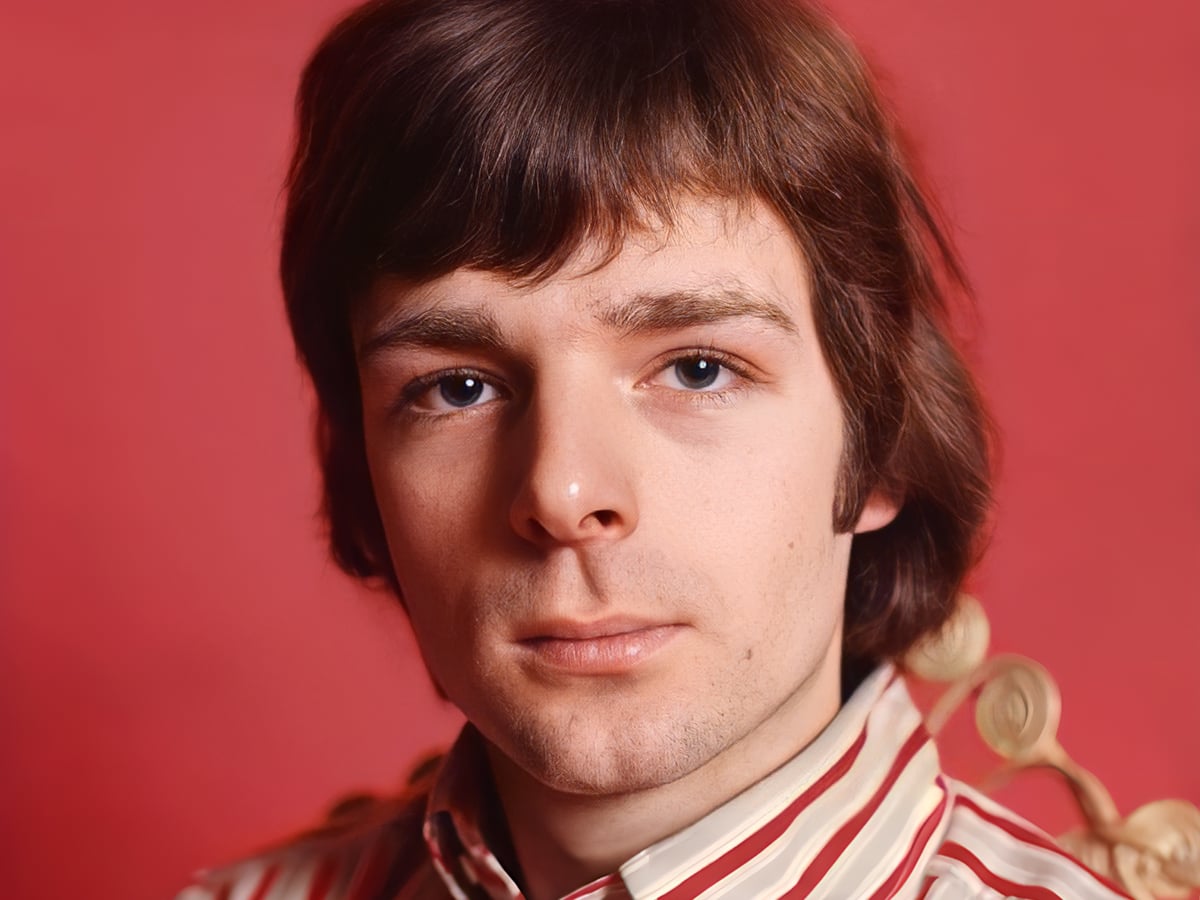
For a brief moment in time, there was a good chance that Pink Floyd could have crumbled after Syd Barrett’s departure. Most musicians wouldn’t know what to do if one of their bandmates ended up losing their mind, but by the time they started breaking away from their psychedelic era, Roger Waters seemed to take firm control once he realised what they could do on albums like Dark Side of the Moon. But if Waters was the brains and David Gilmour was the muscle behind their greatest songs, Richard Wright was the heart of the band every time they played.
Which probably explains why the one album without him behind the keyboards sounds so different. Wright might not have been playing to Waters’s satisfaction on The Wall, but all of the classic songs in their catalogue are usually the ones with him on them. From his gorgeous harmony vocals with Gilmour to his strange chord vocabulary, he was usually the one bringing the ‘Floydness’ into their sound half the time, whether it was the strange sequences of ‘Echoes’ or the jazz chords that made up songs like ‘Breathe’ and ‘Us and Them’.
And while fans can speculate for the rest of their lives whether or not Waters and Gilmour will ever get back together again, there will never be a true Pink Floyd reunion now that Wright has passed on. Waters may have sued the band after he left, claiming that he owned Pink Floyd, but in terms of the sound and the spirit of their catalogue, it all comes down to what Wright did on their classics.
George Harrison – The Beatles

No, your eyes do not deceive you. This isn’t a slam towards The Beatles, either. The Fab Four were 100% equal throughout most of their time together, and even if Ringo Starr was replaced halfway through their career, there’s a good chance we wouldn’t still be talking about the band in such reverent terms today. But if we’re being completely objective here, the band clearly didn’t know what they had on their hands by the time that George Harrison started writing his own masterpieces.
Admittedly, it took Harrison a while to show promise as a songwriter, but even if ‘Don’t Bother Me’ and ‘You Like Me Too Much’ aren’t the greatest tunes in the world, seeing him cast to the side so often was never going to be fair. Even when he had a song as beautiful as ‘While My Guitar Gently Weeps’, the fact that he had to bring someone else into the session to help break up the tension and have everyone actually contribute is one of the greatest injustices that the band ever made.
And the proof is all in All Things Must Pass. His debut is considered one of the best albums ever released by a former Beatle, and yet over half of it was all songs that he had been stockpiling for years, to the point where he was still putting out unreleased tunes from his Fab days throughout the rest of the 1970s. There’s a reason why John Lennon and Paul McCartney were both considered the true leaders of the band, but anyone with half-decent taste should have known what they had on their hands when with a song like ‘All Things Must Pass’.

Never Miss A Beat
The Far Out Beatles Newsletter
All the latest stories about The Beatles from the independent voice of culture.
Straight to your inbox.