


The 1963 Beatles beat that even Phil Collins struggles to play: “A difficult kind of song”

In the long lore of The Beatles, one of the most famous quotes you’ll hear is Paul McCartney or John Lennon (depending on your source) being asked, ‘Is Ringo Starr the best drummer in the world?’ and Lennon or McCartney wryly responding, ‘He isn’t even the best drummer in The Beatles’.
It’s a great pithy little line and, in fact, you can almost hear them saying it in their vowel-extending scouse drawl. So, it quickly caught on and began to reframe Ringo as the weak link in the Fab Four.
The problem with that joke is that they never actually said it. And worse still, it has cast a shadow over what should be one of the brightest drumming legacies in the history of popular music. The irony is that the quote actually came from the clownish British comedian Jasper Carrott, who surely did not realise what he had begotten when he uttered the fateful line.
You see, the beauty of Ringo was that he served the songs superbly. This didn’t always mean thrashing his way to the front and ruining ‘Blackbird’ with an ego-driven salvo of hi-hats. Or pounding the bass drum throughout ‘Something’ with all the subtlety of a policeman’s knock.
However, you half wonder whether this damn rumour started by the dastardly Carrott had an impact played forward, and suddenly a generation of future sticksmiths were cautious about a similar myth being foisted upon them, so they got smashing and showy to the detriment of the songs that their band were serving?
Thankfully, Phil Collins was one of the few progressive drummers who was smart enough to know that rhythm is a vital part of the overall arrangement, and true brilliance behind the kit always toes the line. To Collins, drumming is about searching for interest and intricacy and using your skills to bring a nuanced beat to the song.
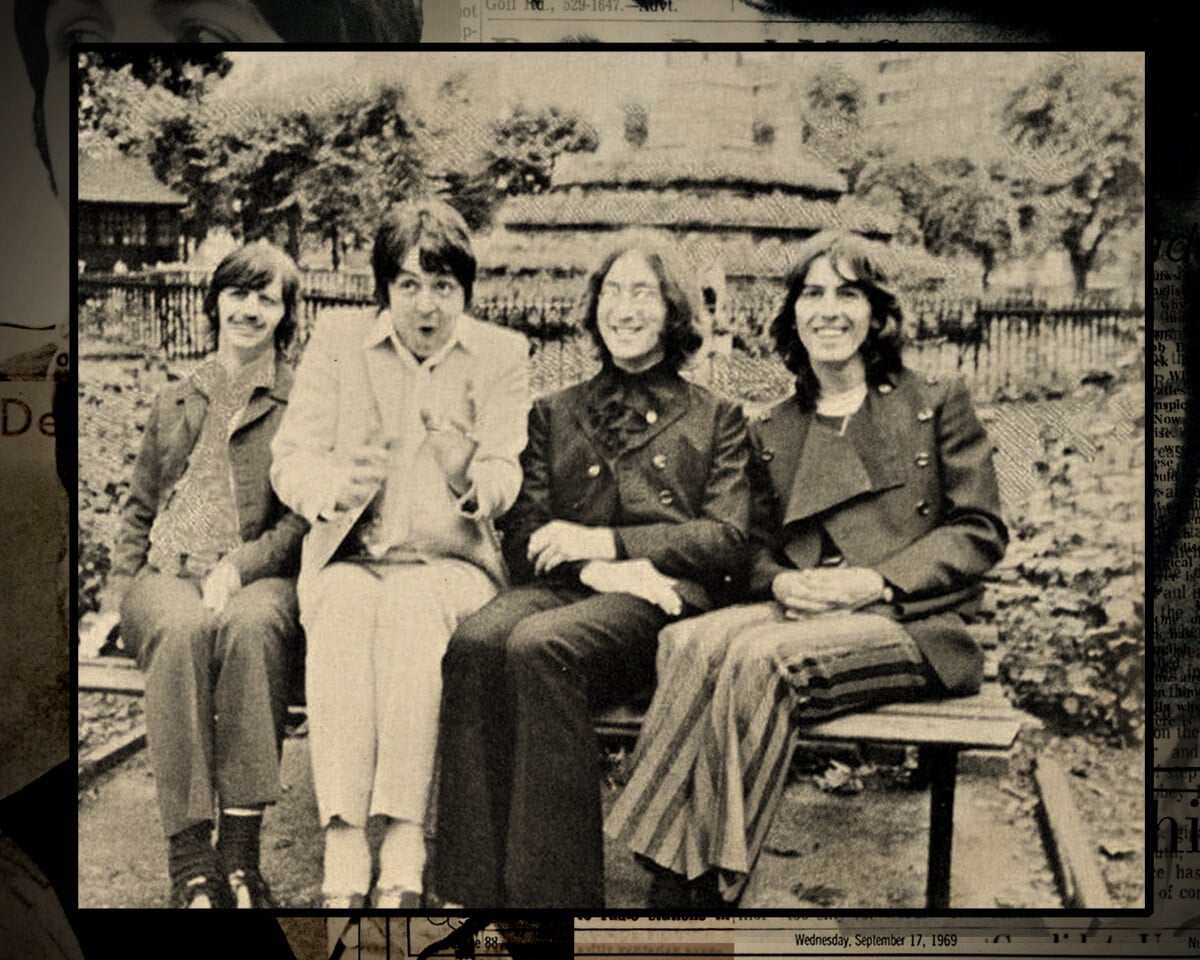
He was deeply inspired by The Beatles on this front. And when it comes to Ringo, he figures one early triumph typifies this and should serve as a lesson to all would-be drummers. The first lesson is that the song went on to be a hit.
“It’s difficult to quite explain to anybody that wasn’t actually young then. It just framed my life,” Collins said on the influence of The Beatles in an interview with BBC 6 Music. “Those songs, the sound of those records still baffled me and impressed me. ‘Tomorrow Never Knows’, listen to the drum part, you know, ‘Day In Life’ listen to the drum part”.
“I’ve been a staunch supporter of Ringo, while a lot of people kind of haven’t seen the fuss.“
Phil Collins
He then singles out an unsuspecting cut from 1963, by explaining: “But what Ringo did, he bought drums out from the back and made people listen to them slightly. I mean, when you say ‘Oh, I love this song’, sometimes people should say ‘Listen to what’s going on behind’, like ‘All My Loving’, which is a difficult kind of song to play. It sounds like an easy shuffle, but to play it properly isn’t easy. You know, he was moving, he was really flashing around.”
Collins remarks that the song’s ability to catch out drummers, thinking that there is less to it than there is, signifies the hidden complexity of his playing. It was with anthems like that he staked his claim with a singular sound that still managed to perfectly support the songwriting.
As Dave Grohl said, if you hear a mere 15-second isolated drum loop of a song like ‘All My Loving’, then you know the man behind it. Grohl continued: “Define best drummer in the world? Is it someone who’s technically proficient? Or is it someone who sits in the song with their own feel? Ringo was the king of feel.
When it comes to ‘All My Loving’, the song is around 156 BPM, and throughout most of it Ringo Starr plays a continuous triplet-based shuffle pattern on the hi-hat with his right hand. That takes metronomic accuracy and consistency. Such precision makes it hard enough when there’s nothing to hide behind, but when you throw in the fact that the bass drum interacts with the harmonics of the tender melody rather than just providing a beat, you have a really testing plate-spinning exercise on your plate.
In isolation, these tasks are rather simple, but when you overlay multiple simple tasks at once, and create a nuance sound that ensures they all need to be pulled off perfectly, you’ve got a complex puzzle on your hands. It is a mark of Collins’ skill behind the kit that he recognised this in the first place.
You can check out the classic counter-beat isolated drum track below. It proves, as Matt Helders once said, that “not everybody can play a simple groove for three minutes with no variation and have it mean something. It sounds easy, but it’s not.”

Never Miss A Beat
The Far Out Beatles Newsletter
All the latest stories about The Beatles from the independent voice of culture.
Straight to your inbox.