


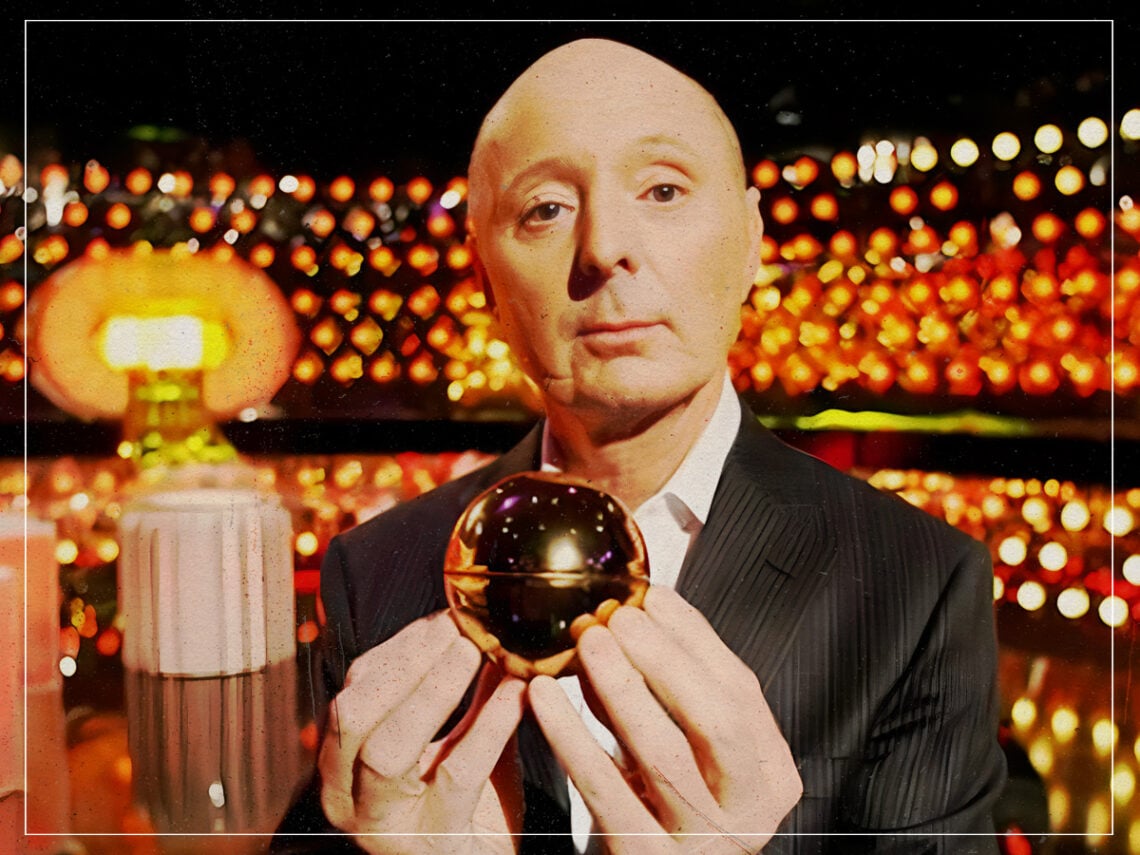
‘Golden Balls’: The infamous British TV show that was criticised by psychologists

While most television game shows are usually a bit of fun for a Saturday evening, with trivia and comedy arriving in equal measure, there have been a handful of programmes in the genre that have transcended its limits and become a dramatic exploration of human psychology, most notably the British game show Golden Balls.
Airing between 2007 and 2009, hosted by English comedian and actor Jasper Carrott, Golden Balls begins with a dozen balls containing cash sums ranging between £10 and £75,000, plus four eliminating “Killer” balls, being split between four contestants. The contestants then must decide who to vote out of the game by judging whether or not each person is lying or telling the truth about the contents of their balls.
Round two proceeds as the first had, but in the third round, dubbed “Bin or Win”, the final two contestants choose which balls to eliminate from the game and which to put in its final jackpot, with each “Killer” ball meaning that the jackpot is divided by ten. With the jackpot confirmed, the players move to the final round, “Split or Steal”.
Resembling the prisoner’s dilemma, the final two contestants are each handed a “Split” and a “Steal” ball and must confer with one another to decide which ball they are each going to pick. If both players select “Split”, they share the cash prize. If both select “Steal”, then both go home with nothing. Finally, if one player chooses “Steal” and the other chooses “Split”, then the player with the “Steal” ball takes the entire cash pot, while the “Split” player goes home empty handed.
There’s an admitted tension to the final round of Golden Balls, in which contestants must either convince their fellow players to cooperate with them to split the jackpot or, having done so, opt to steal it for themselves. There are, of course, a number of ways the showdown could occur, with games of honesty and deception arriving in equal measure.
The show had been heavily criticised by psychologists, particularly Adrian Raine, who argued that it “encourages deceitfulness” in its contestants, and those who indeed opt to steal from their fellow players are celebrated for showcasing “their characteristics of psychopathy”, adorned with a large prize sum to boot.
A former contestant of the show, Stephen Bushnall, discovered the cruel realities of Golden Ball back in 2008. At the conclusion of the episode, Bushnall was given the opportunity to steal £100,000 or split it with his fellow contestant 50/50. Having opted to split, Bushnall was mortified to discover that the other player had deceived him by stealing the full £100,000 sum.
In an interview with MailOnline, Bushnall revealed that he had been in debt at the time of the show, and fifteen years after his episode aired, he still was.“£50,000 at the time would have changed my life,” he said. “Like a lot of people, I am struggling. Life is tough. I was absolutely devastated when it happened. I was in a state of pure shock and broke down in tears.”
According to the contestant, half of the prospective winnings would have sorted many of his problems out. Interestingly, though, given another chance, Bushnall would choose to split the money again, noting, “That is the sort of person I am and always will be.” In essence, then, Golden Balls revealed the inner morality of its contestants and showed the lengths of deception they would go to in order to take its prize pot all for themselves.
While drama of the highest order is often reserved for the great productions of cinema and the stage, the truth is that even TV game shows can provide the most crushing lows and exultant highs that dive into the heart of morality. However, some of the most notorious have been rightfully criticised for their fostering of psychopathic behaviour as many of the most unfortunate contestants of Golden Balls duly discovered.
