


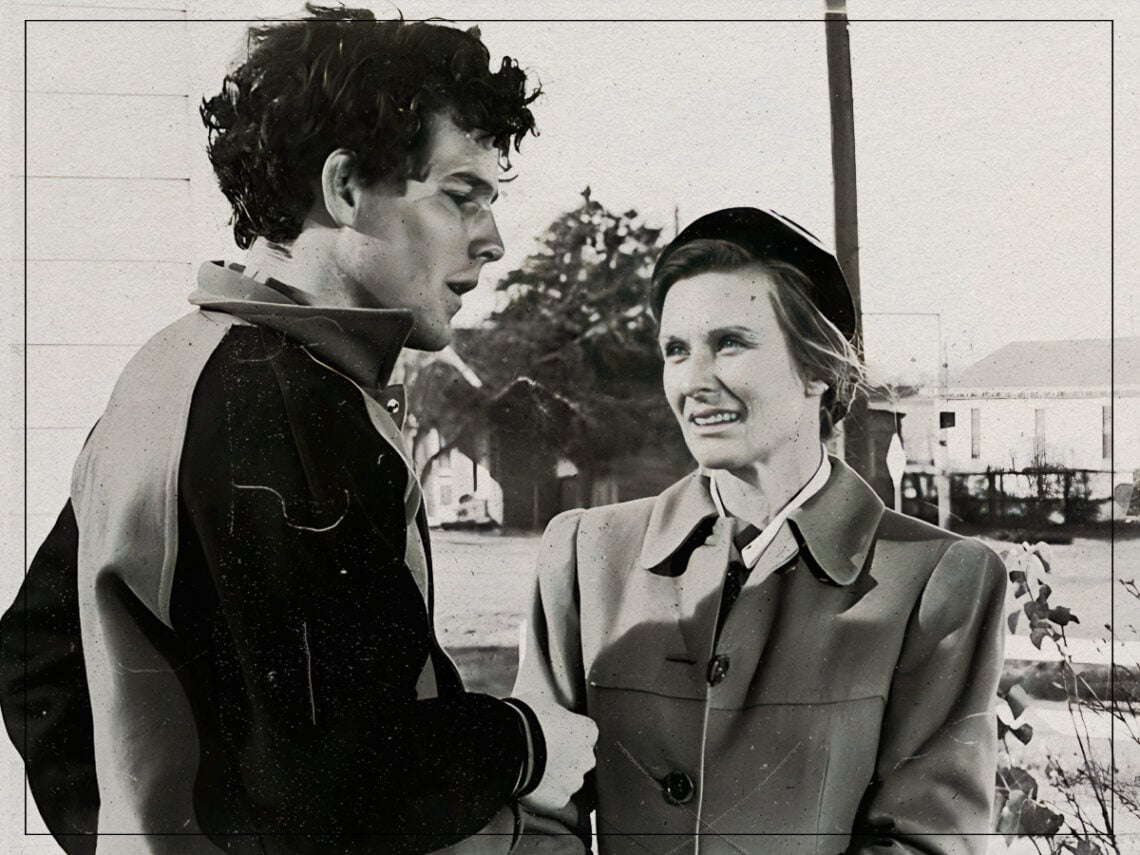
The curious case of Peter Bogdanovich’s ‘The Last Picture Show’ being banned in Phoenix, Arizona for being pornographic

We think of the 1960s as a great time of sexual revolution, of young people freeing themselves from a period of repression and traditionalism, but in 1971, when Peter Bogdanovich released The Last Picture Show, the prudish nature of many American citizens became blindingly apparent; for many, those attitudes hadn’t gone anywhere.
Bogdanovich had made his debut as a director just a few years earlier with Targets, but The Last Picture Show proved to be his ticket towards greatness. The movie gave roles to some budding stars, like Jeff Bridges, Cyril Shepherd, and Ellen Burstyn, who starred as young inhabitants of a dead-end Texan town, where nostalgia is the only thing keeping some kind of spirit alive, although it’s slowly flickering out.
With the last picture house in the town set to close, Bogdanovich communicates a world with few prospects and opportunities. There is nothing there for anyone, and as these high-schoolers graduate and face the real world, they’re left wondering where they can possibly go. There is absolutely nothing for them here in Anarene, which is shot beautifully in black and white and depicted with such poetic tragedy that you can sense the dust and the heat.
There’s something so melancholic about the atmosphere that pervades the film, which was actually set 20 years earlier, before the sexual revolution of the ‘60s, so you’d think that audiences in the early ‘70s wouldn’t be that surprised by the frank depiction that Bogdanovich employed, but many viewers were left in utter shock.
The film carefully taps into that post-war environment in which youth culture was changing, and the teen characters who make up the cast of The Last Picture Show are interested in exploring their sexuality. We have Shepherd’s Jacy dating Duane, while his best friend, Sonny, breaks up with his girlfriend due to his intense feelings for Jacy, and over the course of the film, Sonny ends up sleeping with a middle-aged woman, while Jacy goes to another boy’s skinny-dipping party, who later tries to sleep with her before ultimately rejecting her.
Uncomfortable with being a virgin, Jacy tries to sleep with Duane, although she later indulges in a brief sexual affair with her mother’s lover, and when Duane goes away, Jacy pursues Sonny, causing a rift between the friends. It’s a messy tale of young people not knowing what they want, or what they should have, but this depiction of sex, while not explicit, had many people up in arms.
There is one scene in which Shepherd is briefly topless, which occurs when she attends the skinny-dipping party, undressing in front of everyone as the camera pans between her nervously stripping, with the other attendees watching on; paired with the film’s frank sexual themes, this was enough to get it banned in several places, like Phoenix, Arizona.
Back in the 1970s, Arizona was a deeply conservative state, enough to consider The Last Picture Show pornography, and it was subsequently outlawed in Phoenix for some time, but the ban was ultimately reversed because the film was clearly not pornographic at all. It’s pretty crazy that a movie with a brief nude scene could be banned for consumption as recently as 1971, but that’s just testament to how vital sexually frank stories like The Last Picture Show really are; a pair of breasts and the discussion of sex shouldn’t have to ever be taboo.
Still, the movie was highly controversial, and even in Texas’ Archer City, the movie was labelled a ‘dirty’ one. Watch it today, though, and you’ll be surprised how there was any fuss at all, for it’s a beautiful film that isn’t the slightest bit pornographic; rather ironically, it’s a melancholic meditation on a time when such attitudes only held people back.
