


Pauline Oliveros: the electronic composer who invented a “musical time machine”

In the realm of music, much like other artistic disciplines, women have often been overlooked and denied the opportunities they deserve. Although progress has been made in recent decades through the efforts of dedicated historians and authors, there remains a multitude of incredibly talented women in music, both from the past and the present, who are still awaiting the recognition they rightfully deserve.
Hailing from Houston, Texas, electronic composer Pauline Oliveros found her inspiration in the rich tapestry of sounds produced by insects, birds, and animals in her environment. She vividly described this influence in a 2003 radio interview and, at the young age of 16, made the resolute decision to embark on a career as a composer.
Under the tutelage of Robert Erickson at San Francisco State College, she, alongside her notable peers, including electronic music visionaries Terry Riley and Morton Subotnick, co-founded the San Francisco Tape Music Center. This innovative hub served as a creative space for exploring avant-garde techniques in electronic music production, such as tape loops and delay effects.
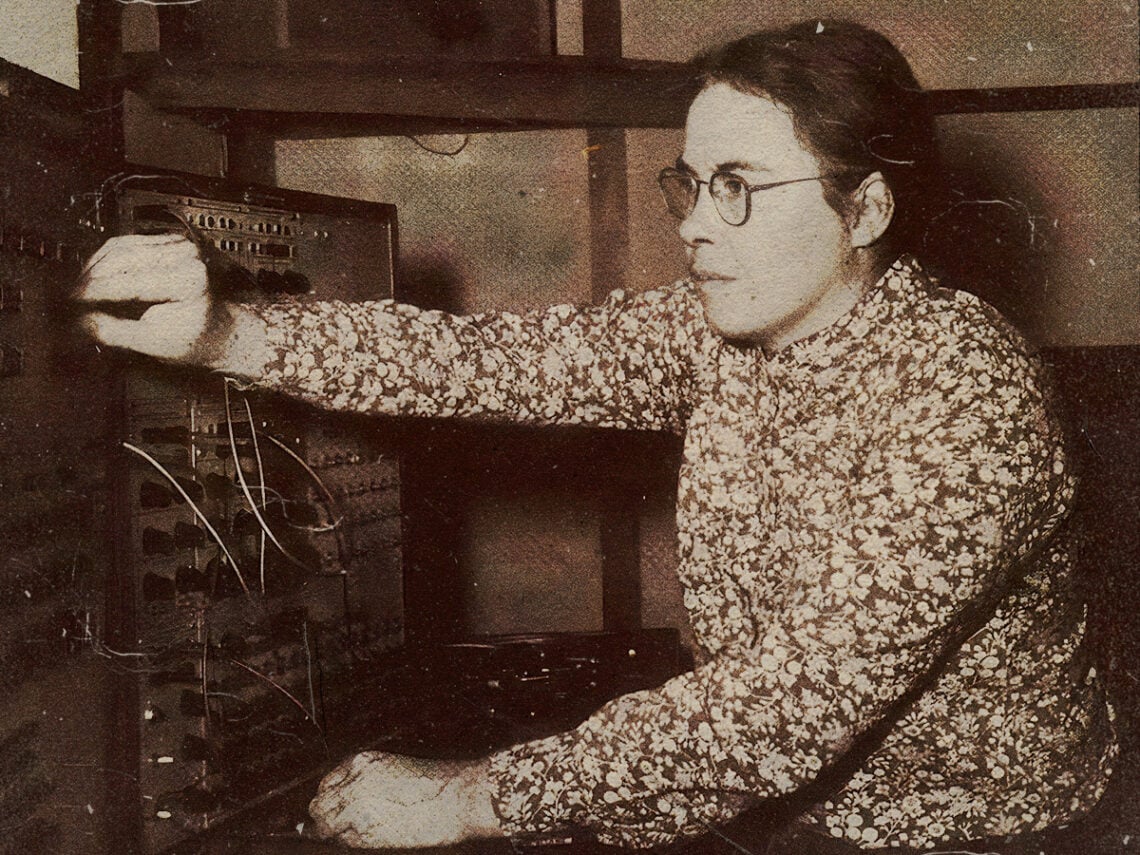
Then, in 1965, Oliveros pioneered the Expanded Instrument System (EIS), a groundbreaking setup employing reel-to-reel tape delays. This innovation enabled her to manipulate the sounds of her accordion and respond to them in real time. She eloquently characterised the EIS as a “time machine” during a 2007 lecture, emphasising its unique ability to meld the present, past, and future, creating a dynamic listening experience that kept the listener continually engaged.
In 1988, Oliveros introduced the concept of ‘Deep Listening’, which extended beyond music into a holistic approach to experiencing the world. This philosophy encouraged individuals to become more attuned to their sonic environments, fostering heightened awareness, creativity, and connectivity. Oliveros subsequently founded the Deep Listening Institute to promote these ideas and engage people in practices and performances focused on deep listening.
In coining the term ‘Deep Listening’, Oliveros helped to foster a new way of experiencing music. This was ultimately a way of learning to hear better, both through focused and more open listening. Focused listening requires active attention to specific sounds, enabling a better understanding of their intricacies and emotional resonance. Open listening, on the other hand, encouraged a more receptive and unstructured engagement with sound, fostering a heightened sense of awareness and connection to the sonic world.
Oliveros’ revolutionary work has had a lasting impact on the fields of experimental and electronic music, as well as sound art. Although there are many trailblazers when it comes to women in music, Oliveros’ contributions prove that the possibilities of music innovation are limitless, and there are always new realms to discover when taking musical experiences to new heights.
