


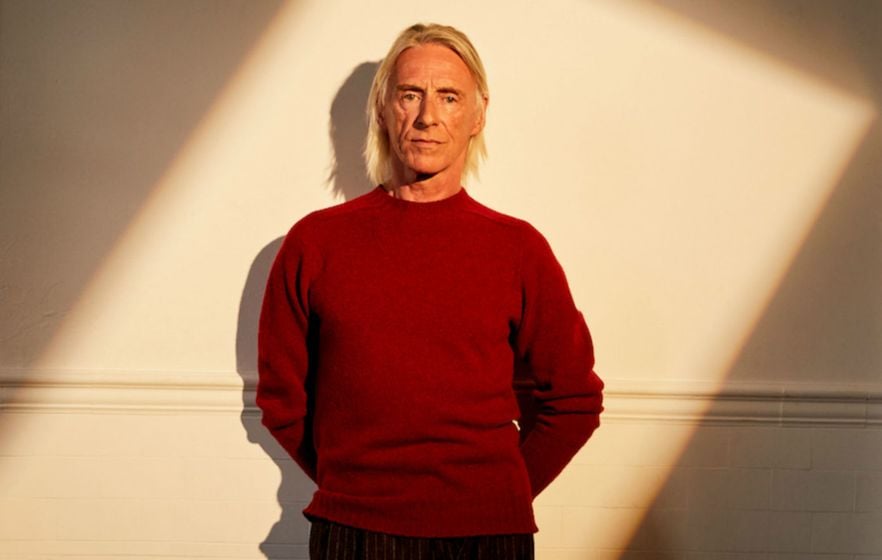
The Paul Weller song inspired by titan of jazz John Coltrane

There aren’t many icons in music as insurmountable as Paul Weller. As able to delve into the far reaches of soul music for his inspiration as he is to skim the finest cream off the top of punk. However, even he must have winced when declaring the inspirations behind one of his songs was jazz icon John Coltrane.
Jazz isn’t for everyone. Even in the fashionable pubs of South London, where live jazz is a regular occurrence, you still see people struggling to bob along to the groove and scratching their heads as if to say, “is…is this how it’s supposed to feel?” After a long time in the shadows, jazz is back at the cutting edge.
Of course, it’s still treated with suspicion, with many unable to overcome its elitist connotations. Paul Weller is one of many people who struggled to appreciate the genre. His work with The Jam was the very antithesis of jazz. However, something had changed when he got around to making his 2012 album, Sonik Kick.
‘Drifters’ sits somewhere between samba, psychedelia, and the surf infusions of Tel Avivian rockers Boom Pam. It was penned by Weller and Ocean Colour Scene’s Steve Craddock, who also plays guitar on the track. According to Paul, the song is indebted to the work of jazz titan John Coltrane, whose work he’d known for years but had never been able to fully appreciate: “I had A Love Supreme and listened to it a few times over the course of maybe 20 years,” Weller told Mojo. “Then one day – not too long, really – it just hit me.”
A Love Supreme is one of Coltrane’s most beloved works. Released in the December of 1964, the album was intended as a declaration of musical and spiritual devotion, in which music and faith were synonymous. The album was devised as a four-part suite and features Coltrane on saxophone, McCoy Tyner on piano, Jimmy Garrison on bass and Elvin Jones on drums.
Speaking to NPR back in 2012, Tyner spoke of Coltrane’s talents both as a musician and as a bandleader: “You see, one thing about that music is that it showed you that we had reached a level where you could move the music around. John had a very wonderful way of being flexible with the music, flexing it, stretching it. You know, we reflected that kind of thing. He gave us the freedom to do that. We thought of something, ‘Oh, then we’ll play it,’ you know? And he said, ‘Yeah, I have a feeling’–you know? And all that freedom just came together when we did that record.”
Listen to the inspirational album below.
