


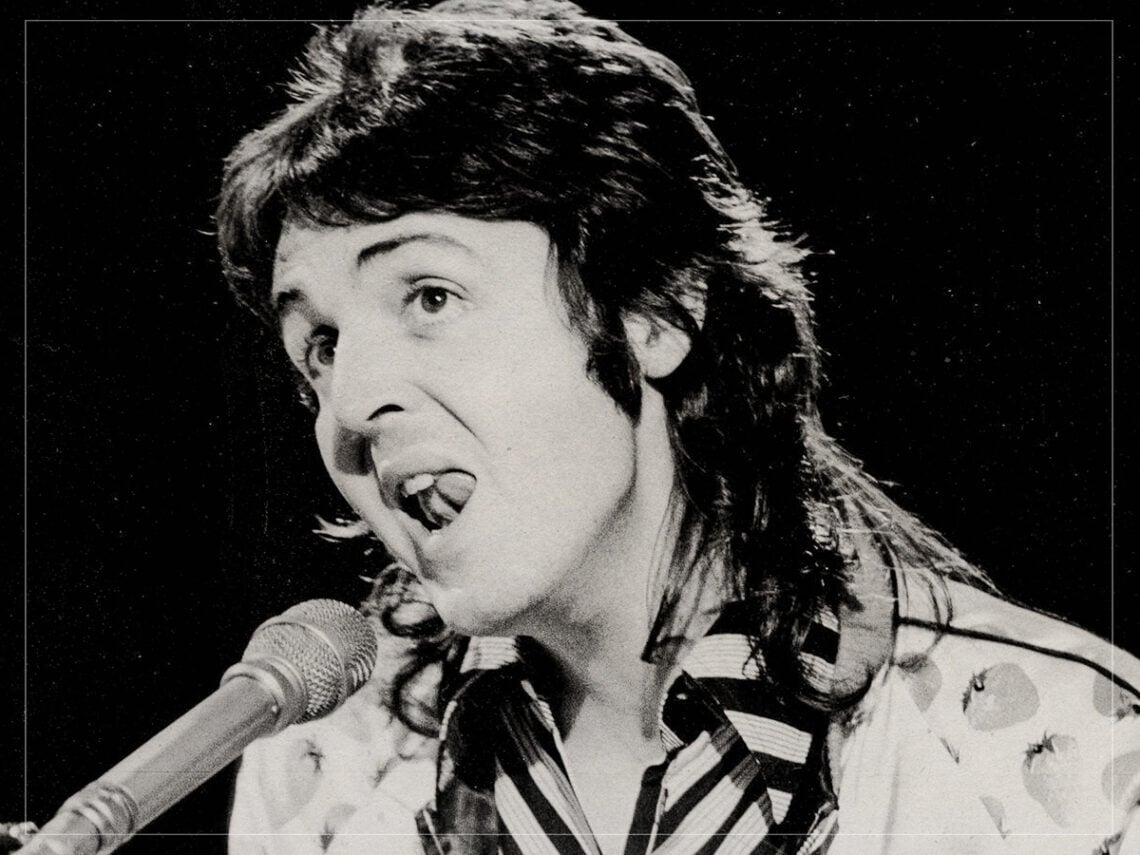
The 1973 Paul McCartney song he admitted was “Lennon-esque”

While the ability to write either a hit single or a tender, moving melody in Paul McCartney was always undoubted, even when he was in the Beatles, and after the Fab Four split, Macca continued to write some of the best music of the 20th Century either as part of his solo career or in his side project Wings.
Wings provided a sanctuary for McCartney that The Beatles never had. While he can rightly be considered the Fab Four’s creative force, there was an (often) opposing force by the name of John Lennon, who would, ultimately, affect McCartney’s vision for the band. The new group, under his direction, was a blank canvas that allowed McCartney to hold most of the brushes.
With it, McCartney stretched his own wings and began finding new and interesting ways to express himself in a way that The Beatles could never allow him to. But that doesn’t mean that, on the odd occasion, he wouldn’t find inspiration in his former bandmates.
One such song that has stood out from the Wings catalogue is ‘Let Me Roll It’, taken from 1973’s Band on the Run, which went on to become the band’s most commercially successful album. McCartney once admitted that the song’s title referred to the nature of rolling up a joint, as was his penchant throughout the 1960s, 1970s and beyond.
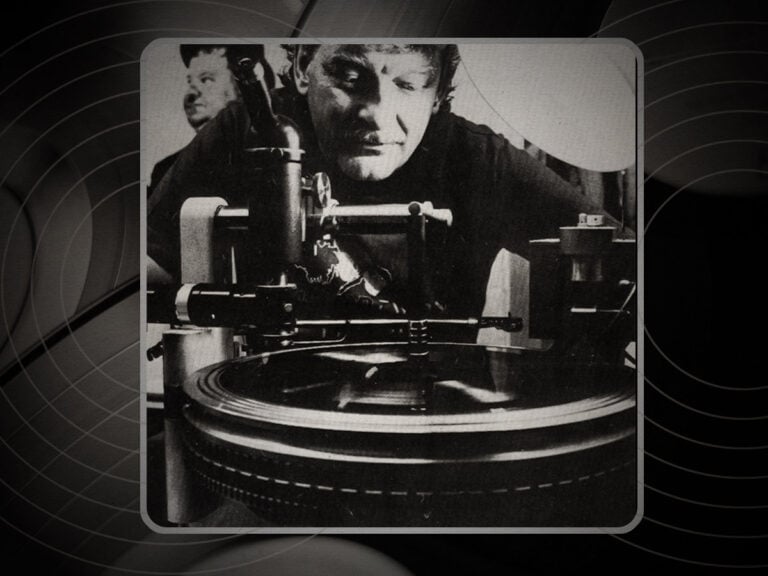
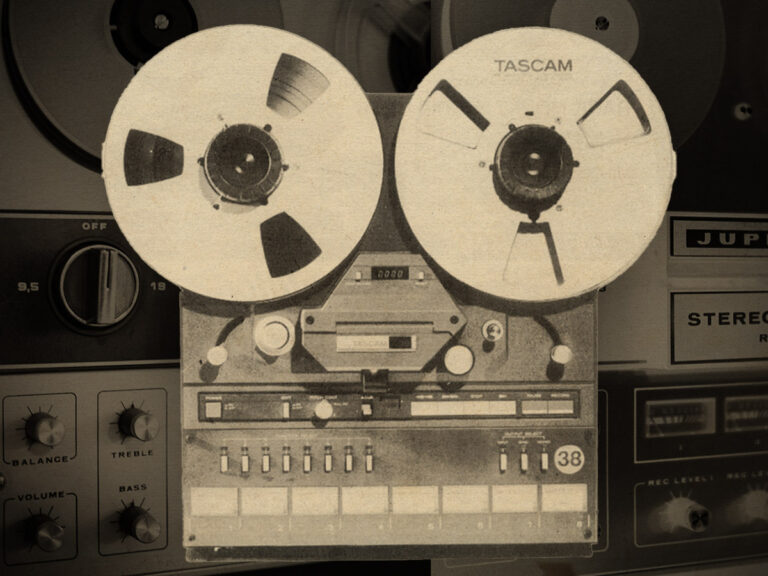
In his book The Lyrics: 1956 To The Present, McCartney also discussed the unique vocal delay on ‘Let Me Roll It’. “Bog echo,” he said. “We always called it bog echo because it’s like the echo in a toilet, known to us as a ‘bog’. We’d shout up to the control room, ‘Can we have the bog echo, please?’ And they would ask, ‘Do you want it at 7.5 inches per second or 15 inches per second?’ We would say, ‘We don’t know. Play them both.’”

Macca went on to explain that vocal delay was very different to the way it is on Digital Audio Workstations nowadays. “The echo was on tape in those days. Short bog echo, long bog echo,” he said before noting the kinds of singers that often used it. “It was very Gene Vincent. Very Elvis.”
However, it was his Beatles’ bandmate John Lennon that became best known for using the bog echo. “John loved this tape echo and used it more than any of us, so it became a signature sound on his solo records,” McCartney added. “I’m acknowledging that by using it here.”

It was from using bog echo on ‘Let Me Roll It’ that Macca noted that the song was “Lennon-esque”. He added: “I remember first singing ‘Let Me Roll It’ and thinking, ‘Yeah, this is very like a John song,’” he said. “It’s in John’s area of vocalisation, needless to say, but the most Lennon-esque thing is the echo.”
Still, Macca didn’t think that he had ripped off Lennon in the song, even if he did admit that using bog echo was most closely associated with Lennon’s singing. “‘Let Me Roll It’ was not really a Lennon pastiche, although my use of tape echo did sound more like John than me,” McCartney said. “But tape echo was not John’s exclusive territory! And you have to remember that, despite the myth, there was a lot of commonality between us in the way that we thought and the way that we worked.”
McCartney also stopped short of claiming that the central feature of the song is not the type of delay and has nothing to do with the vocals at all. “The single most significant element in this song is not the echo, though,” he said. “It’s not the vocalisation. It’s not the lyrics. It’s the guitar riff.”
He went on to say that the word “searing” comes to mind when he hears the guitar riff from ‘Let Me Roll It’. “It’s a searing little thing,” McCartney commented. “We can talk about lyrics till the cows come home, but a good riff is a rare beauty. This one is so dramatic that people in the audience gasp when they hear it. Because it stops so abruptly, it feels like everything freezes. Time freezes.”

Never Miss A Beat
The Far Out Beatles Newsletter
All the latest stories about The Beatles from the independent voice of culture.
Straight to your inbox.