


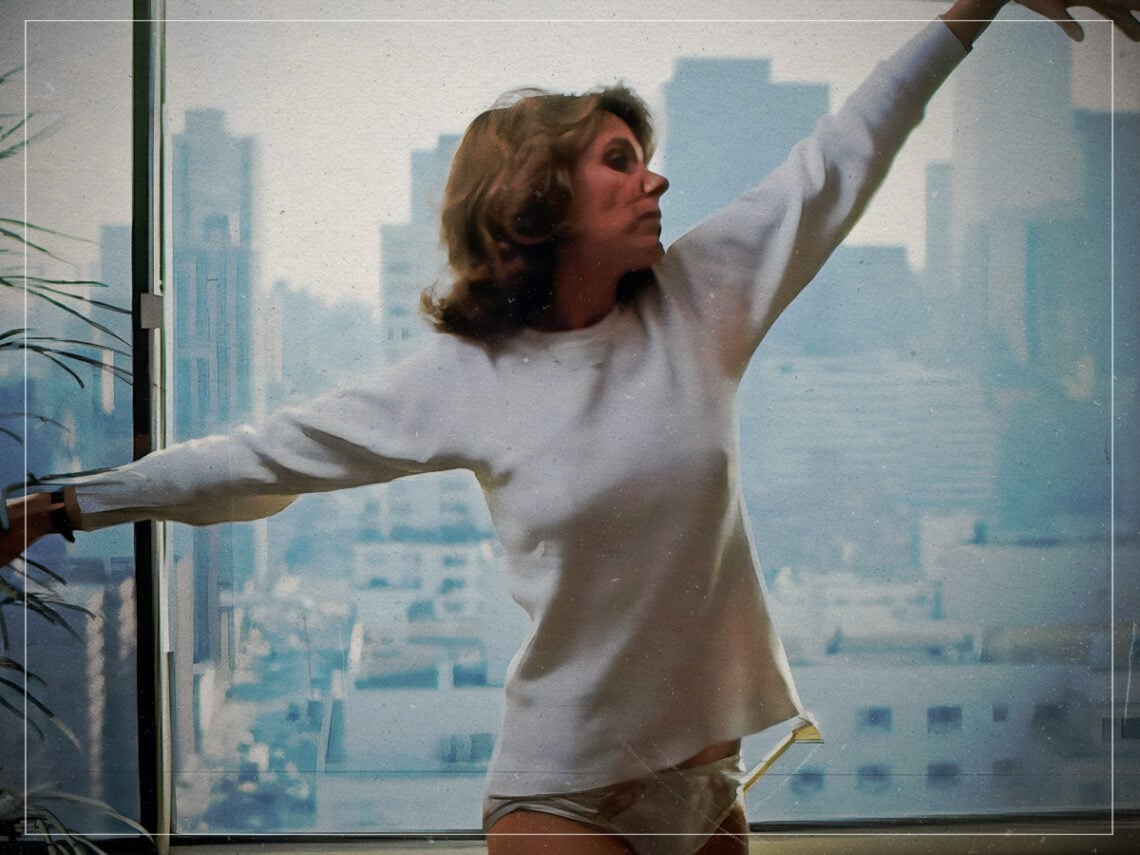
Paul Mazursky – ‘An Unmarried Woman’

There are very few male directors who care to capture the interior world of women, with most preferring to hone in on the male perspective and stay within a realm they are comfortable in, simply writing their female characters as wives or love interests. But even rarer than this are stories in which we are privy to the emotional fallout of the chaos and pain inflicted onto women by men, with audiences being quick to defend and deflect when discussing important issues which many people carry the burden of dealing with every day.
However, upon first watching Paul Mazursky’s 1978 film An Unmarried Woman, it is hard not to be moved and surprised by the nuance of the script that offered an intimate insight into the world of Erica Benton, a woman who struggles to find herself after her husband suddenly divorces and leaves her for a younger woman.
While this is sadly an all-too-common trope, with many associating the male midlife crisis with audacious affairs and an ego crisis that can tear families apart, it is one I have never seen on screen in the way that Mazursky realises. Erica is the kind of woman who appears to have it all: a great husband, a career, a group of friends, and a daughter. However, while many seek stability and comfort during their 40s, Erica’s husband becomes tired of familiarity and searches for a new thrill, engaging in an affair with a much younger woman and suddenly walking out on his family, leaving Erica completely heartbroken.
What follows is a beautiful and complicated exploration of growth and re-discovery. As Erica’s life crumbles apart, she journeys on the messy yet rewarding path to complete independence and confidence, finding strength and power in new places as she rebuilds her identity after spending 16 years being defined by her marriage. It’s both devastatingly relatable and euphoric, with Erica growing to understand the importance of solitude and the transformative power of heartbreak, learning how to work through the pain while also devoting time to understanding what she really wants and how to move forward.
We watch her go from being shocked to angry, lost, confused and disgusted, moving through a plethora of emotions as she processes the dissolution of her marriage and comes to terms with the parts of herself that remained hidden during that time. Her identity had revolved around her ability to care for and place her family first, but after her husband discards her with the level of care and thoughtfulness that you’d associate with a relationship that had only lasted a few weeks, she realises how fragile and somewhat meaningless love is and that the only way to be truly happy is to put herself first.
There’s an adult level of vulnerability on display that we so rarely see, and it’s such a joy to watch Erica go from being wounded to empowered, finding an inner confidence that can only come from being broken down completely and rebuilding your life from scratch. By leaning on her friendships and having frank conversations about womanhood and identity, exploring casual sex and strengthening her relationship with her daughter, An Unmarried Woman transforms what society typically deems as ‘selfish’ for women. We are often perceived as such when choosing to spend time alone, nurture our passions and hobbies and focus on platonic relationships, as though it is unnatural for us to be on our own.
Society, in general, is disturbed by women who are self-sufficient and independent, wanting us to be reliant on men in order to fuel their own ego and sense of purpose. But given the time that it was released, Mazursky presents ‘alone time’ and independence as a truly empowering and non-selfish act, showing how Erica flourishes and thrives when challenged by loneliness and is able to truly find herself and expand what was a fairly sheltered and simple life. She chooses not to define herself by her relationship with men and, in doing so, finds independence in new and unexpected ways.
Even now, the legacy of An Unmarried Women is radical in how it teaches us that by becoming rooted in our sense of self and not attaching our self-worth to those around us, we can truly grow into who we are meant to be and find freedom and power through these growing pains.
