


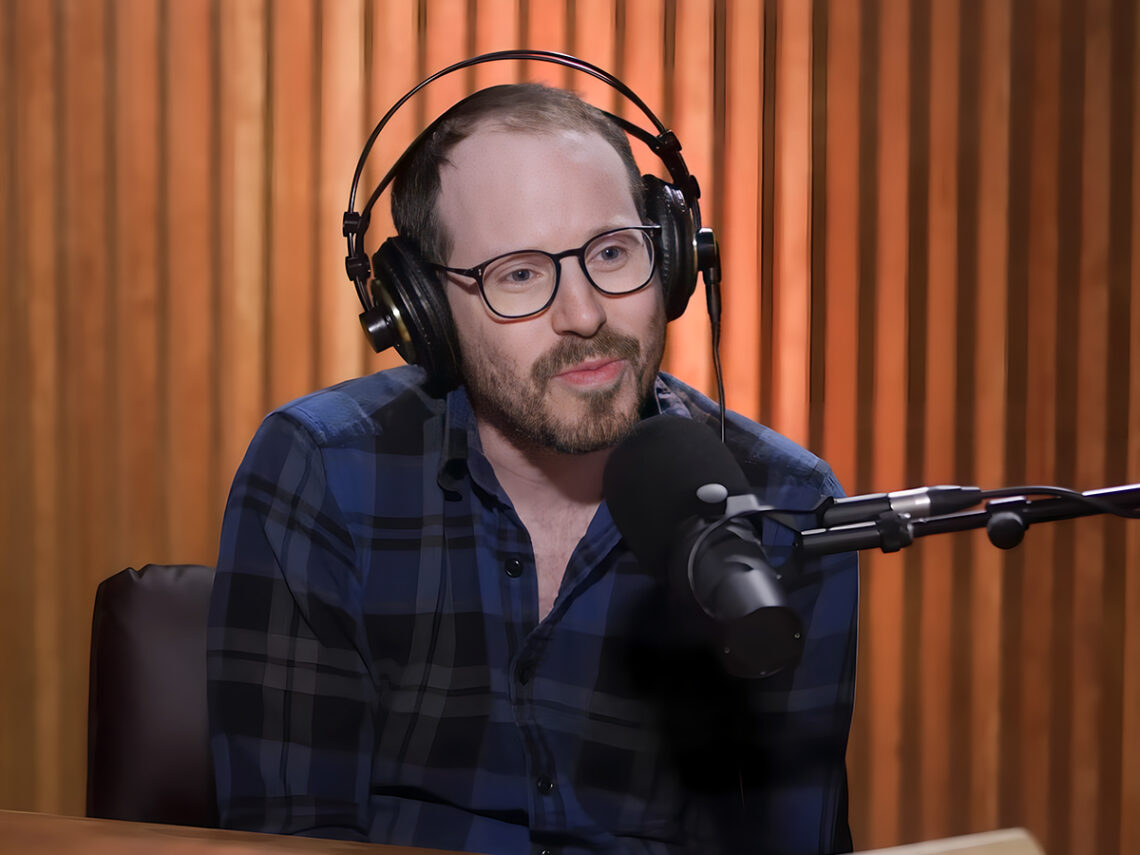
The “endlessly painful film” that shocked Ari Aster: “The ending has been haunting me”

When looking at Ari Aster‘s filmography, it’s hard to imagine anything that could shock or even mildly perturb him, creating a back catalogue of grotesque moments that have disturbed mainstream cinema.
The director has never been one to play it safe, with his breakout film Hereditary becoming an instant cult classic through his warped portrayal of the mother-son dynamic and familial trauma, a thematic strand that has continued in his other movies.
While Midsommar might just be his crowning glory, his subsequent projects have evolved in a fascinating way over the years, continuing his exploration of twisted inter-personal relationships and taking a sudden twist in his latest film, Eddington. It seems as though Aster still has many tricks up his sleeves after his Covid-19 epic, perhaps taking inspiration from his eclectic taste in cinema and one director whose unflinchingly honest and politically relevant style has defined his filmmaking career.
While many auteurs are described as being bold or daring, there is no director who most embodies these attributes more than Jafar Panahi, the Iranian director who has risked being jailed to share his stories. Some stories are here to entertain, while Panahi’s are motivated by something more primal, with a sense of urgency as he shares stories that capture the harsh reality of life in Iran and his struggles to share his voice.
Some people might take artists and their work for granted, but for Panahi, it is truly a matter of life and death, defying huge odds in order to break away from the forces that threaten to suppress his artistry. It is for this reason that each movie of his feels like a borderline miracle, with Aster describing his admiration for his 2022 film No Bears.
It is part documentary and partly based on Panahi’s own life, following his journey of making a film and the way that the villagers around him treat him while doing so. When discussing the project, Aster said, “This is the latest film by Jafar Panahi, who was living for years under house arrest in Iran. He continued making and smuggling out films since his arrest, and they’ve all been really brilliant and invigorating, but this strikes me as the best he’s made.”
Explaining, “It’s basically two parallel stories: the film he’s making while under arrest, and his uneasy relationship with the village in which he’s living. It’s about as damning a film about Iranian life as I’ve seen. The ending has been haunting me for months. It’s a really frightening and beautiful and endlessly painful film.”
There is nothing more shocking than being confronted with the reality of Panahi’s experiences, fighting for the kind of creative freedom that many of us take for granted. They capture a darker side of life that many would prefer to turn a blind eye to, but Panahi forces our gaze towards it and leaves us with a wider understanding of the world around us. His recent work, It Was Just An Accident, premiered at the Cannes Film Festival and won the prestigious Palme d’Or.
