


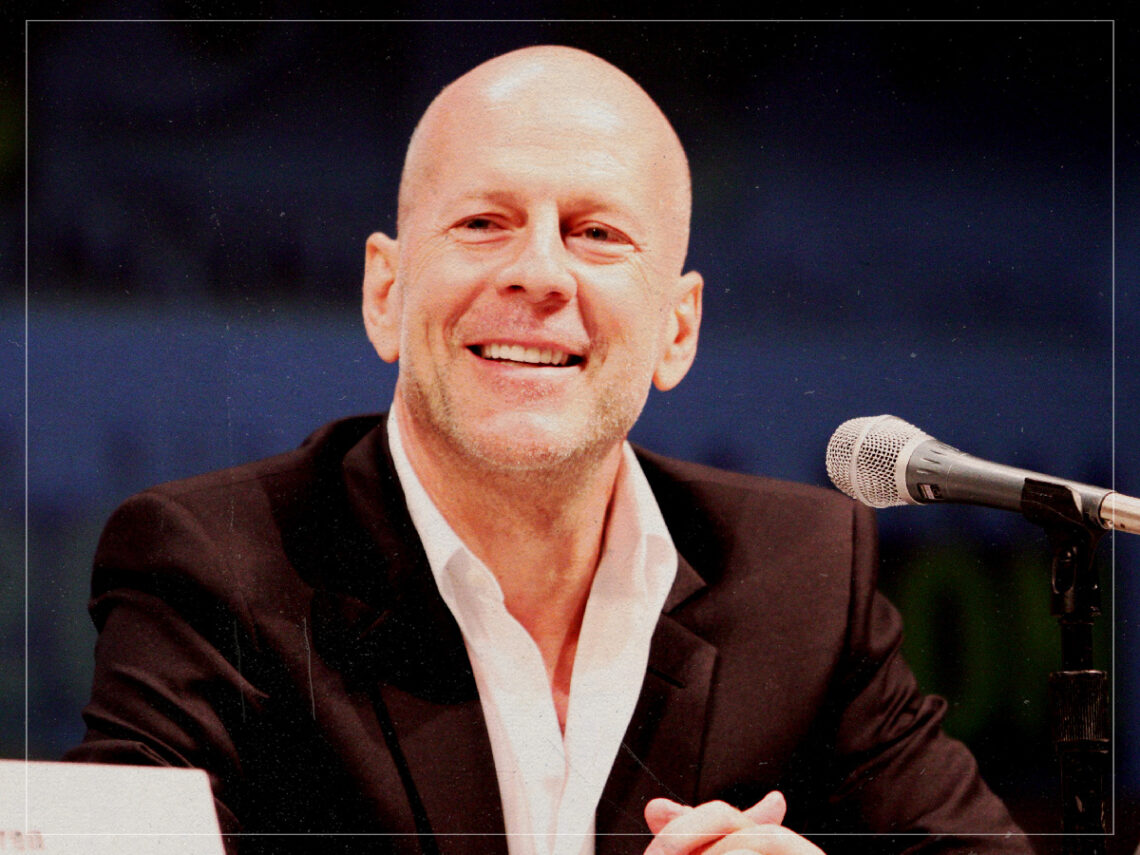
The Oscar-winning movie Bruce Willis always regretted turning down: “I was talked out”

Even though he was one of Hollywood’s biggest stars, most bankable names, and famous faces for decades as an icon of the action genre and a certified A-lister, Bruce Willis never got a sniff of the Academy Awards, not even at the pinnacle of his career.
He wasn’t completely shut out of awards season for the entirety of his professional life, though, but his only major gongs came from television. He won a Golden Globe from three nominations during his Moonlighting days, to go along with the Primetime Emmy he claimed from co-starring alongside Cybill Shepherd, and another for his brief but memorable run on Friends.
As a big-screen performer, the entire sum of his accolades amounted to a ‘Best Supporting Actor’ nod at the Golden Globes for his turn in Norman Jewison’s 1990 drama, In Country, which tanked at the box office. Of course, awards aren’t a barometer of how successful somebody is, and Willis was proof of that.
He was synonymous with big-budget blockbusters, but smaller-scale pictures like M Night Shyamalan’s The Sixth Sense and Unbreakable, Terry Gilliam’s 12 Monkeys, and Wes Anderson’s Moonrise Kingdom afforded him plenty of opportunities to showcase untapped levels of range. He could have added another, but he decided to listen to the bad advice his agent was offering.
While Willis appeared in a couple of movies that were shortlisted for ‘Best Picture’ at the Oscars, most notably The Sixth Sense and Pulp Fiction, he never lent his name to a title that won the big one. He could have done, if it wasn’t for his agent suggesting that it wasn’t the smartest idea, and it was a decision he came to regret.
Anthony Minghella’s sweeping literary adaptation, The English Patient, was one of the biggest releases of 1996, hoovering up over $230 million from cinemas and earning 12 Oscar nominations. It won nine of them, including ‘Best Picture’ and ‘Best Director’, so it’s easy to see why Willis was left kicking himself.
In a conversation with Ain’t It Cool, he mentioned it as one of only two roles he actively regretted turning down, with the other being Patrick Swayze’s part of Sam Wheat in Ghost. With the benefit of hindsight, he felt like a “knucklehead” for rejecting the smash hit supernatural romance, and he knew exactly who to blame.
“I was talked out of working with Anthony Minghella by my then-agent,” he ruefully explained. He wasn’t offered the lead, which was played by Ralph Fiennes in an Oscar-nominated turn, but the third-billed role of David Caravaggio, the Canadian intelligence officer brought to memorable life by Willem Dafoe.
Willis didn’t give the reasons why his agent had insisted that The English Patient wasn’t worth his time, but looking at how it performed in terms of ticket sales and trophies, it’s an understatement to say his representative couldn’t have been more wrong.
