


The oppressiveness of open spaces in ‘Certain Women’

People can only connect with other people as deeply as they have connected with themselves, and I often find the same goes for our response to art. It comes as no surprise that when commercial films are able to reach mass audiences, they often don’t contain any substance that challenges us or goes against the grain. However, there are some films that reach a much smaller audience because they demand introspection and a willingness to sit with discomfort, often requiring us to delve deeper into our own experiences by mirroring real life. The work of Kelly Reichardt accomplishes this very thing with a slow and pensive quality that presents life in its most organic format, leading to an unfiltered portrayal of everyday people that we rarely see on screen, which is perhaps why her films are seen by so few people.
Despite being an accomplished filmmaker in her own right, Reichardt has remained fiercely independent in order to maintain her voice and creative integrity, knowing that in the pesky hands of Hollywood studios, her films would most likely be watered down to the point that her deliberate stillness would be ruined and manipulated to the pace of commercial films, with mass audiences not being able to stomach slow cinema and the silence within her work, which is integral to the heart of her stories.
The stillness and silence of Reichardt’s work create an intimate bubble that allows us to connect with the characters in a unique way, immersing us in their perspective of the world in a way that both highlights their loneliness and negates this isolation by empathetically connecting us to their experiences. When we observe the mundane rhythms of everyday life and the repetitive nature of their routines, we see ourselves on the screen in a way that is rare in mainstream cinema, becoming an exercise in empathy and self-compassion as we cannot detach from the realism of the story.
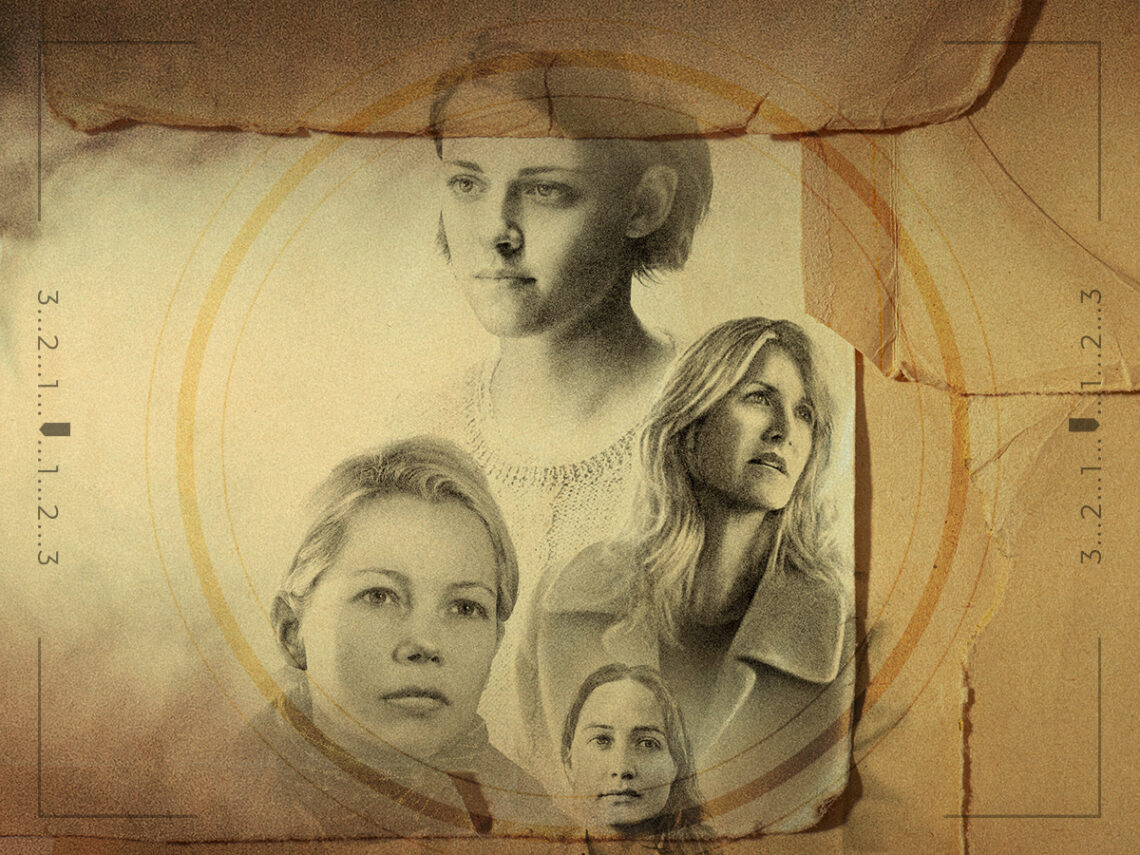
However, this is perhaps most evident in her 2016 film Certain Women, which follows the lives of three women living in rural North-West America, each struggling with problems that isolate them from the world around them. One is a lawyer who is forced to appease a tricky client, one is a wife and mother whose construction of her dream home causes issues in her marriage, and the other is a lonely ranch worker who has an unrequited crush on a law student.
On the outside, all of these women have obtained modern feminist values and supposed freedom, with stable jobs and economic independence that signify the virtues we associate with liberation and complete autonomy. However, all of these women have slowly been ostracised and isolated by the people around them for reaching this post-capitalist definition of freedom, with the men around them subconsciously resenting them for acquiring this type of power and feeling emasculated by it, eventually subjugating these women in other ways by denying them something else – their humanity and right to be heard.
Each woman in the story is a ‘certain type of woman’ – assertive, headstrong and confident. However, many men are intimidated by women who possess this type of power, and as a result, each woman is ostracised by the men around her and subjected to the unique loneliness that comes from being a woman in a world where men don’t listen to you, threatened by the existence of your voice and attempting to quiet it.
Reichardt exaggerates this in a really interesting way through the expansiveness of the film’s setting, with the vast landscape of rural Montana heightening their isolation and the oppressiveness of the patriarchy. Despite being surrounded by the natural beauty of the mountains and forests, the disquieting emptiness of these spaces highlights how disconnected they feel from their community and the haunting loneliness of their inner world. The film also takes place during the winter, adding to the bleakness of their reality as they silently persevere through the harsh challenges of everyday life, with each character possessing an unnoticed strength and sense of resilience that is needed for them to survive.
It captures one of the inherent dichotomies within modern feminist values – despite achieving some form of independence, the world is not yet truly ours or free for us to experience fully. The characters are trapped in a simulation of freedom without truly being able to live authentically or for themselves. Much of their existence revolves around the labour that they are still required to perform for other people while also working full-time jobs and being resented for doing both. There are few male characters in the story, but they have a very pointed purpose that highlights Reichardt’s central message about their false sense of freedom and the men who steal this away from them, subtly disrespecting them and denying their humanity.
James Le Gros plays the husband’s character, highlighting an insidious aspect of the patriarchy that is rarely articulated on screen. He is often seen lazing around and conveniently forgetting to complete any household tasks, leaving his wife to organise every aspect of their life despite being overworked and exhausted. He performs gratitude and pretends to express concern over her state of frantic busyness, but he never does anything to alleviate her stress and also engages in an affair, rendering his concern hollow and devoid of any meaning. His wife is chastised for being overly anxious and type A, all while silently completing the chores that hold their life together, while he is celebrated for doing nothing and actively harming their family by cheating.
In addition to this, their teenage daughter often makes snide remarks at her mother for being ‘highly-strung’, often encouraging her father to join in on this light bullying and siding with him in every argument. Her alignment with her father only increasingly isolates her mother, criticising her constant labour and inability to be present, despite the fact that she is forced to perform these duties because her husband is unreliable and their life still revolves around the requirement that these tasks are completed, without ever being thanked for doing so. It bears a similar quality to the work of Chantal Akerman, highlighting a world that relies on household labour but will never respect/appreciate those who complete it. The mother is seen as a nag and a bore, while the father figure is allowed to be the fun parent because he has no responsibilities that negate his ability to be fun.
The final man in the story is only seen for a few seconds but hammers in the root cause of their loneliness. Lily Gladstone’s character is gay and pines for the law student who visits town each week to teach a class. However, when she finally works up the courage to express her feelings, she is cut short by the realisation that the man just out of frame is the law students partner, ending with Gladstone alone in the car park as the woman she loves leaves her life forever. While love is the only redeeming part of such a cruel world, it is not obtainable for any of these women. They aren’t treated as equals by the men around them, and just when we think that one of them might break away from her loneliness and find a fulfilling connection, the woman she loves is taken away from her by a man.
Reichardt beautifully articulates the suffocating loneliness and frustration of not being seen in a world dominated by men, told that we are on an equal footing despite the glaring obstacles that add an unspoken barrier in our everyday lives, but plodding on regardless, determined not to fall behind and to keep on carrying on.
