


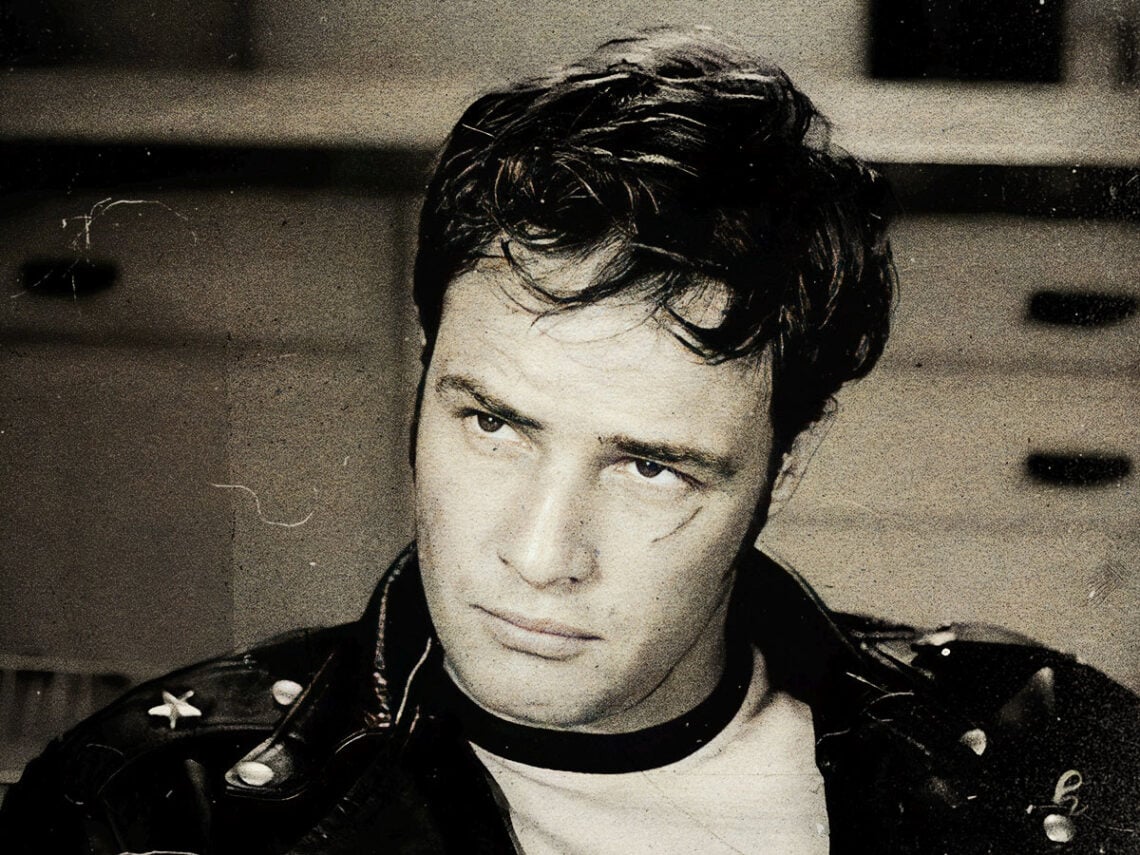
The only two directors Marlon Brando called visionaries: “Wonderful artists”

Marlon Brando might be classed as one of the all-time greats of the silver screen, but he didn’t have the greatest relationship with cinema, possessing the sort of opinions that would have many cinephiles writhing in their seats.
He disliked many directors and treated them pretty poorly, often mooning people on set or refusing to learn his lines, and Brando was anything but professional, but somehow he managed to turn in some legendary performances in everything from 1950s classics like A Streetcar Named Desire and On the Waterfront to ‘70s staples such as The Godfather and Apocalypse Now.
It was his early tenure as such a phenomenal star of the screen that allowed his legacy to continue, even when he took on some questionable roles in the likes of Candy and Christopher Columbus: The Discovery, yet Brando really was a strange figure who didn’t seem to have a good work ethic, admonishing the state of modern cinema while doing nothing about it.
When you have as much status as someone like Brando, you should probably use it. Instead, Brando was rather pessimistic, telling Time, “Acting is an empty and useless profession. I do it for the money because for me there is no pleasure.”
This led him to criticise the state of the industry, although he used it as an opportunity to highlight the two filmmakers he thought were actually worth watching. “The fact is, there are no contemporary writers of importance. Not one. O’Neill and Tennessee Williams had moments, but I don’t regard them as great classical writers. Movies? Forget it.”
Adding, “I’m convinced that the larger the gross, the worse the picture… [Ingmar] Bergman and [Luis] Buñuel are visionaries, wonderful artists and craftsmen, how many people in the world have ever seen one of their films or ever heard of them?”
This might be a rather negative view, but he does have a point. Even now, decades on, cinema is still prioritising the biggest blockbusters with a high profit guarantee, while indie films are struggling more than ever, because Marvel, action, and epic historical movies laden with stars, special effects, and made on hundreds of millions have a monopoly over the industry, leaving those making more human, gritty, and experimental films pushed to the wayside.
Bergman, who helmed the likes of Persona and Autumn Sonata, and Buñuel, whose short film Un Chien Andalou was simply revolutionary, have long been praised for their innovative approach to cinema, and while their movies have endured as landmark reflections of boundary-pushing filmmaking, their work could never stand a chance against the bigger-budget movies coming out of Hollywood.
It’s interesting that Brando never opted to work with either filmmaker – that’s unless they weren’t interested in working with him. You’d think that someone as talented as Brando would make an effort to star in the kinds of films he considered to be made by true “visionaries”, but it seems like a quick cheque and the chance to flash his backside was much more appealing in the end.
