


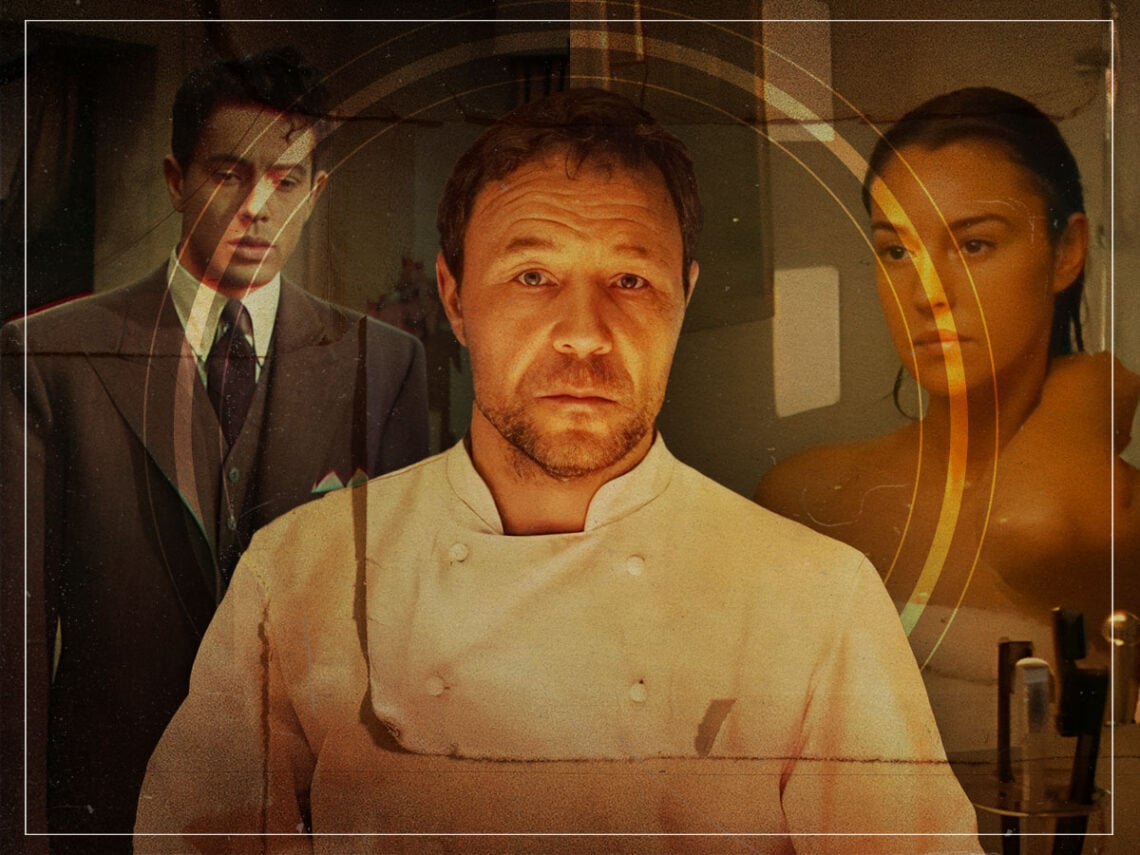
One-shot wonders: the best movies shot in one take

Ask anyone in Hollywood or beyond, and they’ll confirm that the process of making any film is a magnificently chaotic ordeal, with a million moving parts that need to be perfectly coordinated to create the right circumstances for creative magic to unfold. Thankfully, this can be split up into many tiny tasks—it feels more manageable and slightly less intimidating this way.
But there are some productions that have put a target on their back and given themselves the enormous task of filming an entire film in one take. The feat is nearly unfathomable – when could the use of this technique ever be worth it? What could possibly justify the sheer stress and anxiety of orchestrating this all at once?
However, there are some films that almost need this added tension. They replicate a singular and inescapable moment that only adds to the stakes and simmering tension of the story. It can align us with one character’s perspective or add to the feeling of being trapped or lonely, unable to escape a character’s circumstances.
Few filmmakers have attempted this monumental challenge, but today, let’s examine the five best films shot in one take.
The five best movies shot in one take:
Utøya: July 22nd – Erik Poppe
In many films, filming something in one take could be slightly meaningless and redundant; what type of story could possibly warrant the level of tension and painstaking detail needed to share it in real time? However, in the case of Utøya: July 22nd, the technicalities of this challenge are completely justified, adding a new level of immersion and anxiety to the horrific true story that the film is based on.
Director Erik Poppe uses the one-take method to document the terrorist attacks that occurred on the Norwegian island of Utøya during the summer of 2011. It is entirely seen through the perspective of one girl as she tries to survive the attacks while also searching for her little sister. Initially potentially perturbing, the movie fictionalises an extremely delicate subject. As such, it can dangerously toe the line between entertainment and education. But in the case of Utøya: July 22nd, the decision to share this story through the use of one-take is what makes it veer away from being entertaining.
The single take in the film is the same length of time as the attack, directly mirroring the timeline of events on the island. Using the one-shot technique, the director puts the audience directly into the inescapable horror of that day, creating a suffocating and relentless recount that is nauseating and nearly impossible to watch. You find yourself regularly pausing the film because there are no breaks to catch your breath, instead feeling guilty that you have the luxury of turning it off.
We also never see the killer on screen, a respectable decision given the rise of content that glorifies some of the worst people in history, turning the likes of Jeffrey Dahmer and Ted Bundy into TV stars and celebrities. But it makes the threat of the shooters even more terrifying; an omnipresent killer whose gunshots echo around the woods without ever being seen. Perhaps this also reflects the cowardice of the people who choose to hide behind these insidious actions, not wanting to give a face to someone who hid behind evil. All in all, it is one of the more necessary uses of this technique and forces us to sit in the horror of something that nobody should ever experience, but it is sadly a more common occurrence in many countries, ringing with stark urgency in its message.
Birdman or (the unexpected virtue of ignorance) – Alejandro González Iñárritu
When Birdman burst onto the scene in 2014, it became a sure-fire favourite among film bros and cinephiles alike, with everyone complimenting the impressive camera work and performances from the sprawling ensemble cast. It follows the life of a fading actor who became famous for portraying a comic book hero, who takes a risk by signing on to do a Broadway play. However, in the hours leading up to the performance, we see a slow eruption of all the issues in his personal life, with the actor struggling to become the man he wants to be.
It’s shot with a wide-angle lens but held uncomfortably close to the actors, creating a distorted fish-bowl effect that adds to the level of scrutiny and pressure that the actor feels. Every decision and conversation bubbles over and adding to the continuous stream of obstacles that Riggan is facing in his nightmarish version of reality, feeling like a bad dream in which everything goes wrong.
The one-take technique not only adds to nerves and anxiety that builds up before a performance, but to the innate nature of a man whose entire world revolves around his image and how people perceive him, desperate to be admired and remain relevant. However, in living his life this way, he has created a very limiting and heightened inner world completely disconnected from reality, reflected in the narrow confines of one take by cramming everything into the frame, even if it doesn’t fit.
Ultimately, it also speaks to the nature of the film industry and the way it forces actors to pigeonhole themselves—Riggan isn’t someone who wants to be known by one character, but he feels suffocated by his enjoyment of the validation that he receives from this role. Thus, it creates a delightfully odd and disturbing film about the nature of performing and the film industry itself.
Boiling Point – Philip Barantini
For anyone who’s worked in hospitality, you’ll know that nothing feels more life-or-death than a busy restaurant when you’re understaffed and overworked, and Philip Barantini captures the dread and anxiety of this in his 2021 film, Boiling Point.
Set over the course of one evening at a popular London restaurant, Boiling Point follows head chef Andy Jones as he balances the increasing pressures of his professional and personal life, all crashing down during the busiest night of the year.
You could argue that without this film, the likes of The Bear would not exist, capturing the constant eruptions of stress and small-scale disasters that never stop coming. The kitchen feels like a courtroom, with accusations and arguments swinging left, right and centre. There’s always that one manager who screams at you for no reason or a customer who goes out of their way to make you feel like the smallest person on the planet, and all of this is captured through the stifling single-take that carries us through this disastrous evening. Similarly to Hitchcock and his famous analogy about a bomb under a table, Boiling Point has its own bomb, taking the form of a customer with a peanut allergy, that we know will inevitably come to a head. Despite knowing that this will happen, it only makes us feel more anxious, crammed in among a million other fires that demand our attention.
It creates a performance out of customer service, capturing the sheer heat and sweat of each role as people try to keep up, creating high-stakes entertainment out of an everyday occurrence. It is one of the films that has popularised the ‘angry chef’ genre of cinema and has given a new voice to working-class people in the cinema, with people waking up to the horrors that happen behind the scenes and the gruelling nature of this work. Because if you can’t handle the heat, then get out of the kitchen!
Rope – Alfred Hitchcock
It goes without saying that Alfred Hitchcock is the master of suspense, and without the innovation and genius of his 1948 film Rope, the one-shot genre might not exist at all.
Rope was the first feature film to appear to be filmed in one continuous take, with the director attempting to do this many other times and struggling to complete the vision. However, while this film does not technically meet the requirements, it was only because the length of a take was limited due to the film cartridges at the time, which needed to be reloaded every ten minutes. And so the director persevered with his vision to replicate this look but had to splice together multiple shots to do so.
Rope is a perfect whodunnit about two friends who try to prove that they committed the perfect murder by hosting a dinner party for the friends of the person they killed. The suspenseful simulation of being shot in one take makes it more delicious. Hitchcock makes a bold experiment that was unheard of for the time and is rarely replicated even today, despite having technology that makes it much easier.
It shows Hitchcock at his most innovative, expertly managing to sustain tension throughout despite the audience knowing what will happen at the end. It’s a masterclass in pacing, editing, and cinematography and remains to this day as a triumph of filmmaking in all that it inspired and achieved.
Irreversible – Gaspar Noé
Irreversible is not a film intended for enjoyment, and much like Utøya: July 22nd, it is designed to attack your senses and confront you with the horrors of the world, hammering in the urgency of the issues that it explores. It takes place over one evening, documenting the events that lead up to one act of violence but told in reverse, beginning with the ending of the film and painfully working backwards to the beginning, taking us on a horrendous odyssey through the consequences of sexual violence and the everyday micro-aggressions that allow these atrocities to happen.
While it was dismissed by many, with Noé being criticised for his extreme use of violence, the single take is never lingering or enjoying the sight of what’s happening – it only adds to the inescapable nature of this violence and how its dominating presence in everyday life makes it nearly unavoidable. Noé is critiquing the misogynistic conditioning that happens to many men, a mindset that slowly seeps into and evades every aspect of society, showing each act of violence, disrespect and casually degrading way of talking about women to be inseparable from the wider issue, that they are all part of the problem. And when our complicity in these things culminates in a new act of violence, the effect of this is irreversible and ruins someone’s life. The film opens with a quote saying, “Time destroys all things”, and by filming it in one take, he highlights the sheer brutality and urgency of the message and how, by the end, your time spent watching the film will have destroyed you.
While the film is probably the worst thing you will ever watch, Noé brings attention to something horrific in the best way he knows how – creating something confrontational that is meant to disgust us in such a monumental way by seeing it displayed on our screen, that we wake up to the fact this really happens in real life.
