


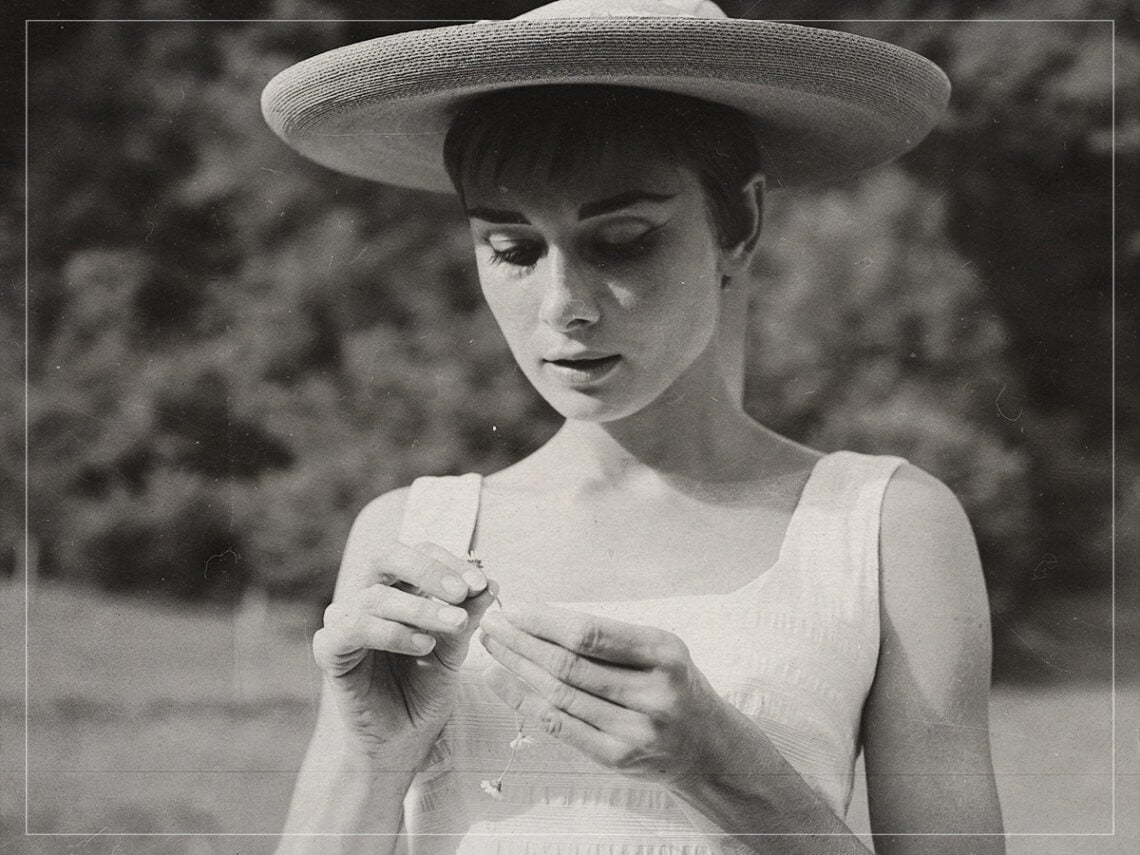
The one movie that always escaped Audrey Hepburn and became a lifelong regret

During her incredible career, Audrey Hepburn played a number of iconic roles.
It feels impossible to even attempt to decide which one she might be best known for as she became one of the biggest stars of the 1950s and ‘60s and one of the most instantly recognisable actors of all time. In fact, the American Film Institute ranks her as the third greatest female screen legend, keeping illustrious company behind Katharine Hepburn and Bette Davis.
Hepburn’s role as Holly Golightly in the 1961 film adaptation of Truman Capote’s Breakfast At Tiffany’s is easily one of the most iconic performances in history. Similarly, her parts in Funny Face, Roman Holiday, My Fair Lady, Sabrina and beyond made her an important cultural figure, known as one of the finest actors in history.
During her career, Hepburn received five Academy Award nominations, winning the 1953 ‘Best Actress’ Academy Award for her role in Roman Holiday. She took home a record three Bafta awards, amongst many other honours, for her films, television appearances, spoken-word recordings, on-stage performances, and humanitarian work.
But one role slipped past her, becoming Hepburn’s biggest regret. In an incredible career full of varied characters and projects, there was one film that Hepburn always lamented not signing on for due to its clear connection to her real life.
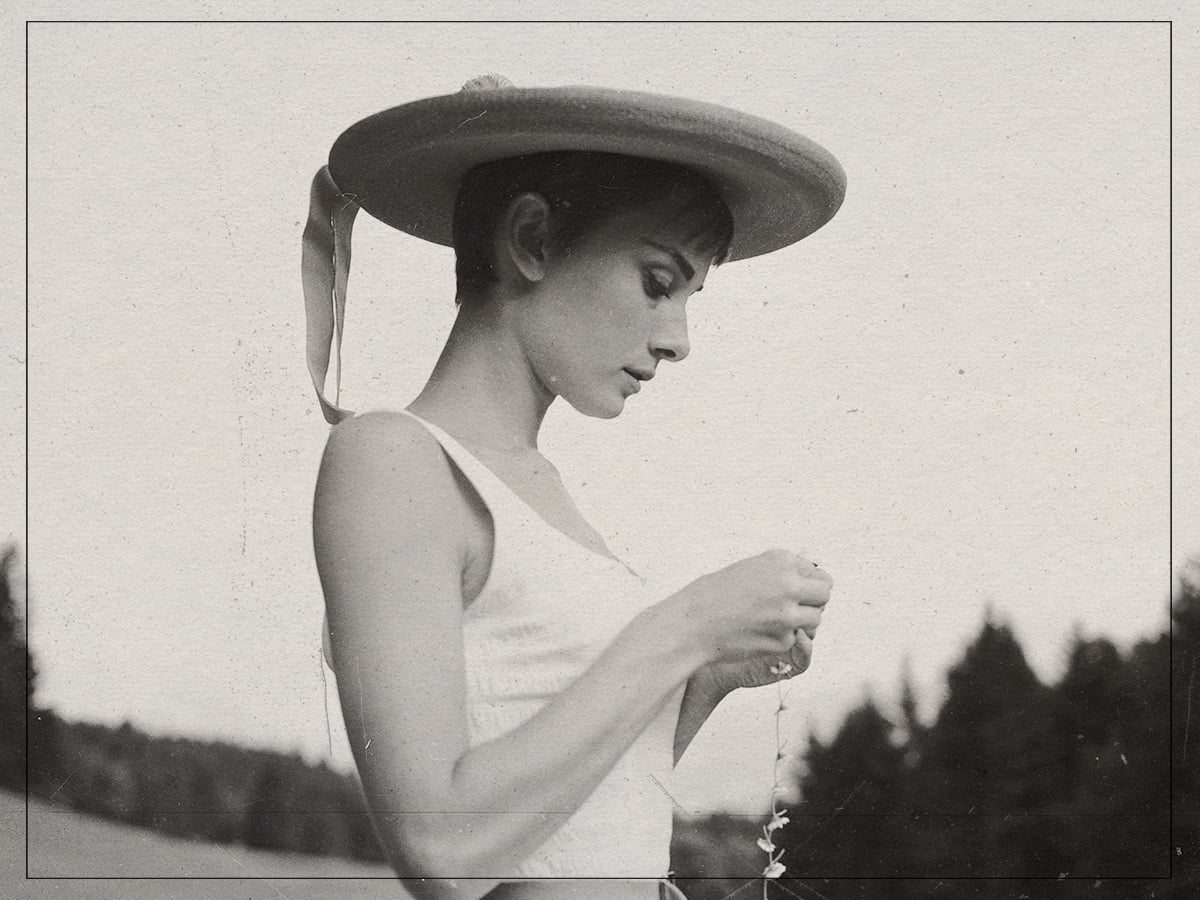
It was the role of Emma Jacklin in the 1977 film The Turning Point that Hepburn massively regretted not taking up. Inspired by the lives of real ballerinas, The Turning Point follows ageing prima ballerinas DeeDee Rodgers and Emma Jacklin as they grapple with their lost careers. Based on the real stories of Isabel Mirrow Brown and Nora Kaye, both dancers trained at the School Of American Ballet before ageing out of their dancing careers.
Hepburn’s own career originated in ballet, making her connection to The Turning Point a personal one. During World War Two, Hepburn studied ballet at the Arnhem Conservatory, even performing ballet to secretly raise money for the Dutch resistance. She studied with some of the top choreographers in history and worked as a chorus girl in West End productions before being spotted for her acting talent.
That early dedication to ballet never truly left her, even as her acting career took centre stage. Movement, poise and discipline became defining aspects of her screen presence, setting her apart from many of her contemporaries. It also meant that roles rooted in dance carried a deeper emotional weight, touching on a path she had once fully intended to follow.
Because of that, The Turning Point represented more than just another film opportunity. It echoed a version of Hepburn’s life that might have been, had circumstances been different. The idea of portraying a character grappling with the end of a ballet career would have allowed her to explore those what-if questions in a way few roles ever could.
Her connection to the role of Emma Jacklin goes even further, as Hepburn’s own prima ballerina dreams were slashed when a teacher told her that her small height and weight, the effects of childhood wartime malnutrition, would mean she could never achieve the status.
However, the role passed her by, going to Anne Bancroft instead. By 1977, Hepburn was semi-retired, choosing to dedicate more time to her family and humanitarian work. She only took a small handful of roles on very specific projects, leaving the role in The Turning Point out.
The decision to pass on the role seemed to haunt the actor as Hepburn later admitted it was her biggest regret, stating, “That was the one film that got away from me”.
