


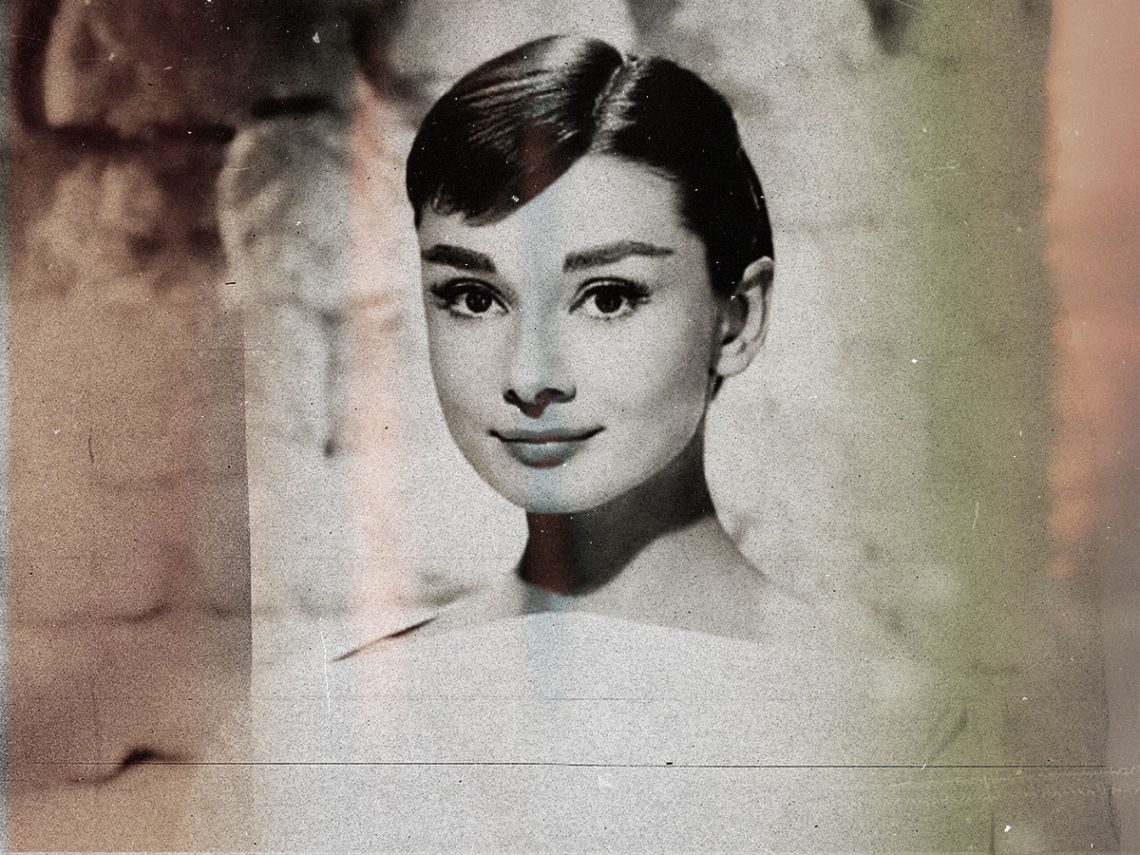
How Audrey Hepburn helped the Dutch resistance during WWII

Hollywood feels like its very own microcosm of life in and of itself, with the biggest stars of the industry flaunting the streets of Los Angeles as real-life movie icons. Yet, make no mistake, Hollywood is influenced and affected by the wider world, just like any industry, with the catastrophic impact of the Second World War having a profound effect on the American ‘Tinseltown’, causing the production of propaganda movies and some of the biggest names being called up to serve for the Army.
These weren’t small names either; British actor David Niven took part in the Invasion of Normandy, legendary director Mel Brooks defused land mines, and Oscar-winner Jimmy Stewart joined the US Air Force. One unlikely individual who also helped the war effort was the legendary British actor Audrey Hepburn, who drifted away from her family upon the outbreak of war after her father displayed sympathies for the Nazis.
Only ten years old at the start of the war in 1939, Hepburn was raised in Arnhem, Netherlands, with her mother moving her here in the hopes that the country might remain neutral as they had done during WWI. As the Nazis gained ground across Europe, however, Hepburn’s mother changed the future star’s name to Edda van Heemstra in case the enemy reached the Netherlands, which they did several months later.
Things got a little more serious for Hepburn and her family in 1942, however, when her uncle was executed for being involved in resistance activity. “We saw young men put against the wall and shot, and they’d close the street and then open it, and you could pass by again,” Hepburn would say about the Nazi occupation of the Netherlands, “Don’t discount anything awful you hear or read about the Nazis. It’s worse than you could ever imagine”.
By this time, Hepburn was something of a local celebrity in Arnhem, becoming famous for her talents for ballet, with the resistance movement taking advantage of this by having her play at illegal musical performances in secret locations. Such events helped to raise money for local musicians, with the funds also being used to support the thousands of Jews in hiding from the Nazis.
The first recorded participation in such an event came in 1944, with Hepburn dedicating herself to supporting the Resistance movement.
“I did indeed give various underground concerts to raise money for the Dutch Resistance movement,” she stated in an interview, “I danced at recitals, designing the dances myself. I had a friend who played the piano and my mother made the costumes. They were very amateurish attempts, but nevertheless at the time, when there was very little entertainment, it amused people and gave them an opportunity to get together and spend a pleasant afternoon listening to music and seeing my humble attempts”.
Continuing, she added: “The recitals were given in houses with windows and doors closed, and no one knew they were going on. Afterwards, money was collected and given to the Dutch Underground”.
Scared of being found out by the enemy, each of Hepburn’s ballet performances was followed by no applause at all, a far cry from her later career in Hollywood where she would earn an Academy Award.
Take a further look into Hepburn’s experience working for the Dutch Resistance during WWII below.
