


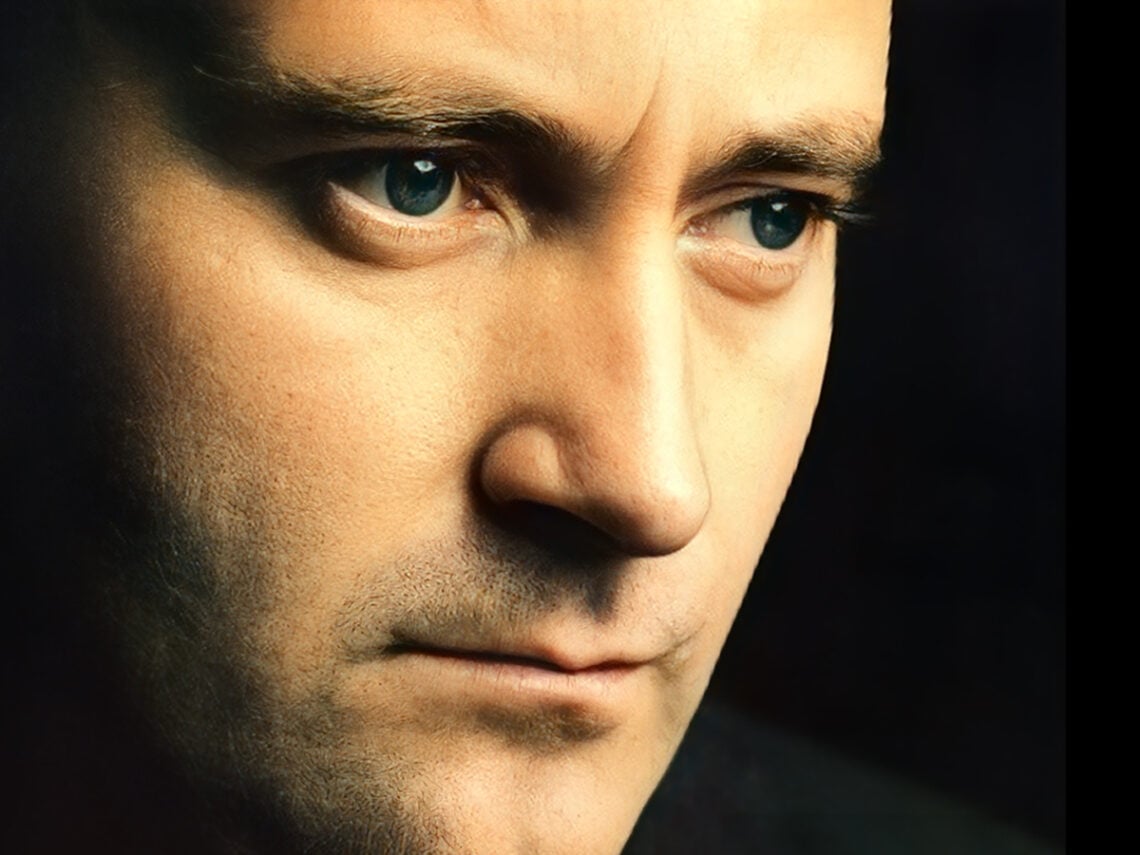
The one genre Phil Collins was never allowed to play: “It’s not what the band did”

The number one rule of prog-rock was supposed to be about having no rules when Phil Collins joined Genesis.
There was no limit to what everyone could play, but when looking through a lot of their best work, it’s not like they were going to switch on a dime from playing some of the most complex music to suddenly playing the most down-and-dirty heavy metal that anyone had ever heard. They had a very distinctive sound before they had even lost Peter Gabriel, and while Collins fit right in, he did feel a little bit sad that some of the best music that he had ever heard was forced to be put on the back burner a lot of the time.
Because as much as Collins loved to play those complex drum fills, his solo career is a lot closer to the kind of music that he loved more than anything else. He was one of the greatest connoisseurs of old-school pop music, and even when listening to him try his hand at Motown on a track like ‘You Can’t Hurry Love’, you can tell that he honestly loved that kind of music when he served up a thick layer of cheese in the video.
But that was always going to be a dealbreaker for people who loved the classic Genesis sound. No one was expecting the same band that made ‘Supper’s Ready’ to eventually make a track like ‘Invisible Touch’ or anything, but when looking through Collins’s record collection, it makes a lot more sense. He loved the idea of making complex music, but his heart was always in the sounds of soul music.
Far before he had fallen head over heels for The Beatles, The Action was a lot closer to what he was looking for out of a rock band. The English stars were a lot closer to R&B music than any other band out at the time, and while Collins would have tried his hardest to make those songs work in a rock and roll context, he felt that there were certain parameters around soul music that were never going to work in the age of Foxtrot.
The band were still in progressive territory, and even if they had the same inspirations as Collins, he felt that it was too much to ask them to stop what they were doing and change genres, saying, “It’s the musical backdrop of my teenage years and songs I always wanted to sing but was never allowed to. When I was 19, I joined Genesis, and although everybody in the band were closet kind of Otis Redding, Nina Simone fans, it’s not what the band did. I joined Genesis because it was a job, and I wanted to play, and I wanted to work. Eventually, I put some of my natural musical influences, like some of the soul things that I’d grown up with.”
In all fairness, it would have been borderline hilarious for Gabriel to ever try to match a Nina Simone vocal when working on tracks for The Lamb Lies Down on Broadway, but all the band needed to do was get comfortable in their own skin. Because even when Gabriel went solo, he was more than willing to take a few chances and start making songs that did justice to his R&B heroes.

‘Sledgehammer’ was already a goofy version of an Otis Redding song, so it wasn’t out of the question for Genesis to make more commercial material after ‘Follow You Follow Me’ became a hit. And as it turns out, the rest of the world was ready for that kind of music too, given the fact that their more R&B influenced were the ones that topped the charts, whether that was the gripping ballads or whatever the hell Collins was on about when he spat out the lyrics to ‘Sussudio’.
The original version of Genesis would have never been able to get away with this kind of music, but it turns out that you can stretch out a lot more after years in the public eye. Once you’ve had the right amount of success, the musical walls start coming down, so it’s not always that difficult for someone to go from their trademark genre to taking a chance on something new and see where it goes.
