


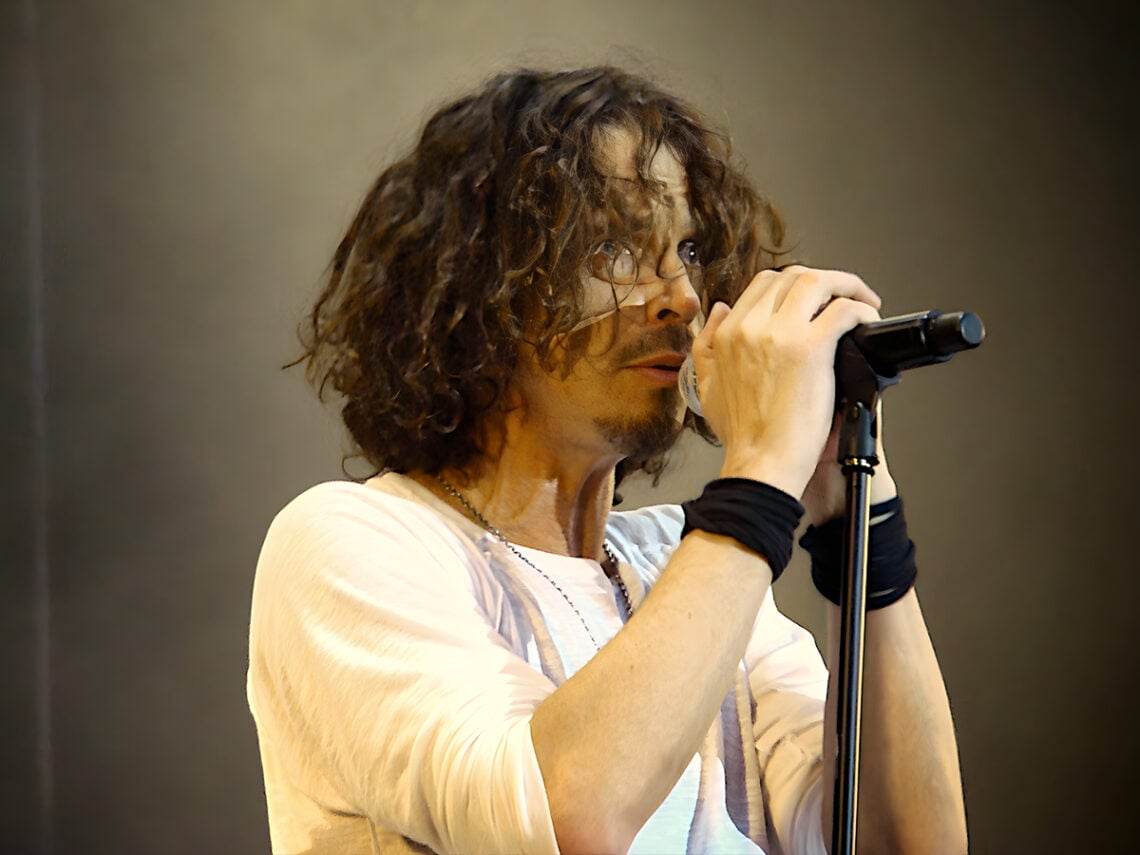
“Not good”: The album that made Chris Cornell hate touring

The appeal of the rock and roll lifestyle is understandable in many respects – after all, who would say no to travelling the world, creating an iconic image for yourself, and getting to hear millions of fans screaming your name? It’s an intoxicating elixir, to say the least. But there’s also no denying that this intoxication, no matter how glamourous, has its ugly side, made apparent in the struggles of the late, great Chris Cornell.
The legendary Soundgarden singer was famed for having one of the greatest voices on the scene, adored by fans and critics alike. His mind-blowing four-octave range set him apart from the rest without a doubt, but it didn’t mean he was immune from the toll of fame and all the unwelcome guests it brought with it.
This fate began to show its dark truth at a highly inopportune moment. Self-admittedly awkward Cornell, who gained the reputation of being a moody so-and-so in the public eye as a result, began to dislike being on the road. But it couldn’t have come at a worse time—the tour for Superunknown, Soundgarden’s fourth album that broke them into the mainstream.
In 1995, he took the time to reflect on these conditions. What was the reason he acted up so much in the spotlight? “Probably because I’ve spent several years being a moody bastard in front of millions of people,” he candidly explained. But he also sought to set the record straight: “It’s pretty accurate really, although we’re not as moody as people think.”
This may have been true, but there’s no denying the tension Cornell had regarding the Superunknown era, despite it spawning the band critical acclaim and several Grammy awards. “The moodiness really intensified on the Superunknown tour,” he admitted. “We’d toured so much since our SST records [the label that Soundgarden produced their debut album Ultramega OK on] that by the time Superunknown, our biggest album, came out we were really tired of touring. Which is not good.”
“Not good” might take the prize for the biggest understatement ever heard. In this sense, the rest of Cornell’s career was never bound to head down a positive road if he couldn’t find happiness in his most successful moment. The bitchiness of rock and roll really had its bite, and Cornell seemed to walk around with a permanent set of industry-sized teeth marks.
Nevertheless, his hatred of the touring life had to be put to one side if the singer had any chance of moving forward. He did so later when joining the new iteration of Rage Against the Machine, Audioslave, which produced a mine of number one and platinum chart hits throughout the early 2000s. This was, however, still not without its hardships – Cornell had well-documented problems with alcohol and drugs, marking his stint with the band a tumultuous one despite all the success.
Tragically, the effects of the dizzying lifestyle culminated in Cornell taking his own life, aged 52, in 2017. For many in the rock world, his death spoke to the dangers of the breakneck speed with which they hurtled through their lives and careers, never once stopping between the studio and the tour bus to take stock. Despite the stark reality of this situation, it is equally important to continue revering Cornell for what he did achieve – being a rockstar’s favourite rockstar is no mean feat, but it’s a title firmly cemented in his legacy.
