


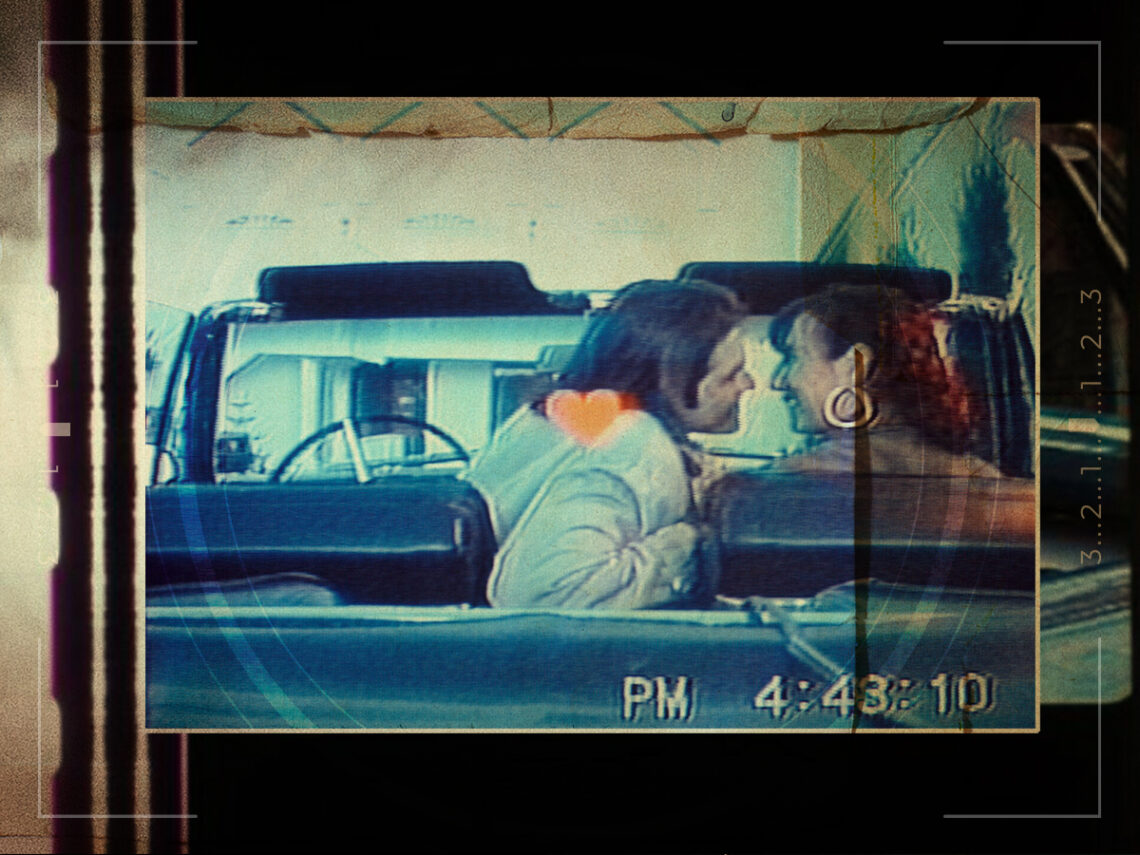
‘No Sex Last Night’: the demise of romance on the road

Love manifests in many different formats when it comes to the silver screen, with stories that both affirm the existence of romance, tear it apart and make us yearn for people we had repressed to hidden corners of our minds. It’s a genre that never fades in relevance or popularity, with our expression and experiences around it continually evolving in the face of modern technology. Or it evades our grasp entirely, with some struggling to find love in a world that feels increasingly devoid of its presence.
However, the movies tend to focus on characters who have found magically life-affirming love, sending our heads spinning as we revel in dimly lit sequences of two unsuspecting characters falling madly for each other. Such that it ends up in a confession of their feelings in the pouring rain or at an airport, with dramatic sequences that affirm the delusion of story-book romances and endless joy for those who find ‘the one’. While there is no doubt that much joy is to be found through the experience of falling in love, it is also an emotional minefield that can stir uncomfortable thoughts in relation to our deepest flaws and insecurities. It prods the underbelly of our worst experiences when expressing complete vulnerability, giving your heart away and hoping it won’t be torn apart in the process.
While we are all too familiar with the conventions of the genre, from impassioned speeches to stolen kisses, audiences are less well-versed in the language of fading love and a relationship on the decline. Something that is beautifully charted through Sophie Calle and Greg Shephards’ 1996 documentary, No Sex Last Night.
After dating for just over a year, filmmakers Sophie and Greg found themselves in a slump and struggling to keep their relationship alive. Sophie described their bond as having deteriorated to the point that they almost entirely refrained from speaking to each other, inhabiting the bones of a crumbling relationship almost devoid of love. In a desperate yet unspoken attempt to revive the romance, Sophie suggested that her partner join her on a road trip across the United States, with Greg only agreeing to this when it was suggested that they document their journey for a film.
But in an interesting twist to the well-trodden convention of the road trip movie, Sophie posed the idea of filming with separate cameras and each adding a confessional-esque narration to their footage. She described the cameras as “sole confidantes of our respective frustrations and secretly telling them all the things we were unable to say to each other”. Hence, piling into a vintage Cadillac in the peak of winter, the couple drove from the East Coast to California, channelling their fears and frustrations within the relationship through the creation of the film.
While people generally assume that there is an established rapport and closeness between two people in a relationship, from the onset, we learn that Greg and Sophie have lost the ability to be honest with one another. The reasons behind this strained vulnerability are complex, with each person appearing to hold so much resentment for the other that they don’t say anything at all to refrain from snapping and accidentally voicing an unkind thought. The inner monologues of Greg and Sophie drift over the top jagged footage of the cold American landscape, with both sharing private confessions of annoyance towards their partner’s habits and personality traits, quietly whispering into the camera while the other is looking away or in the bathroom.
No Sex Last Night creates a strangely detached yet intimate quality as the audience becomes privy to the perspective of both people in a deteriorating relationship. The inner and sometimes cruel thoughts of Sophie and Greg starkly contrast their limited interactions with each other and the strained way in which they express themselves.
It exposes how love can turn sour, with each person becoming consumed by the flaws of the other and only being able to form a picture of the person they now hate, becoming blinded by these negative observations and obsessed with the gaps in their relationship. Through each added commentary, perceived slight and personal attack, interpreted in vastly different ways by each person, we slowly see a real relationship crumble before our eyes. This, despite neither of them speaking it out loud and confronting the glaring truth, becomes inescapable on this trip.
However, their silence speaks more than words, and the audience becomes involved in the microcosm of this relationship and the growing chasm between them, realising what they fear more than confrontation is loneliness. They prefer to stay in a bad relationship over the prospect of being alone, no matter how damaging and unfulfilling. The film forces us to look between the gaps of each minute expression and moment of sustained eye contact to search for the thoughts they only communicate through their voiceover, adding a layer of deception as they seemingly try to conceal their gripes and annoyances.
Two can ultimately be the loneliest number, and through No Sex Last Night, we watch one couple jump through hoops to avoid the simple truth that they no longer love each other. We watch as they do everything but end their relationship as they desperately cling to shreds of intimacy and the faint ghost of a connection they once had.
