


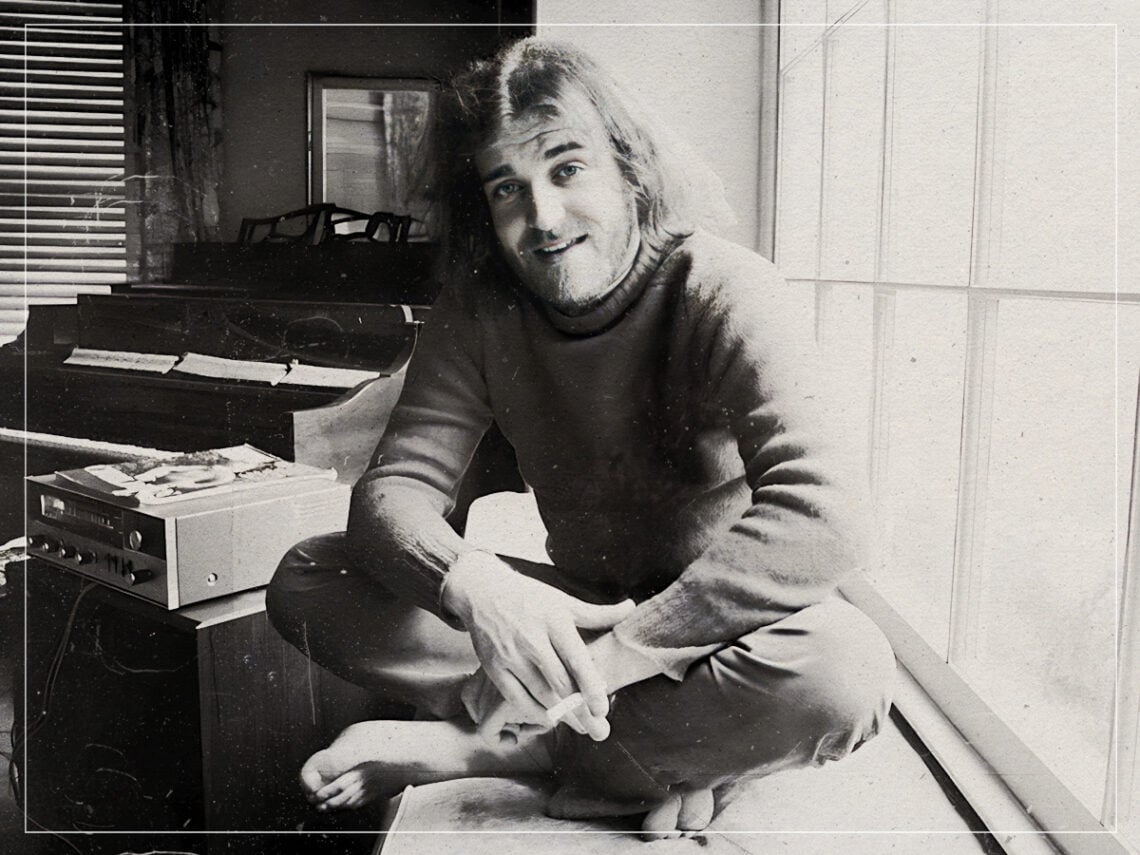
The night Joe Cocker spent in a cell with a bank robber: “He had all my albums”

In the 1970s, it would have been easy for a musician to assume that they were somewhat above the law.
After all, this chapter in history was the peak of musical stardom, where sex, drugs and rock and roll were the three pillars of life in the spotlight. Feasting on a heady diet of all three of those rituals, musicians like Joe Cocker would bounce around the world on their global tours, experiencing nothing but wild success and unrelenting fan adoration.
Everything they wanted was at their very fingertips, and rarely were they subjected to the sort of normalised authority the rest of the world was; the lines of the law felt like merely a construct to them. But during a 1972 tour, Cocker sadly learned that the power of stardom was nothing but an illusion and, sooner or later, the long arm of the law would come crashing down on him.
By the time this year had rolled around, Cocker was in a truly desperate situation. He was crippled by a severe drug addiction and sadly fell prey to a group of London drug dealers, who used Cocker as part of their operation. Manipulating his own addiction, they used him to transport cocaine around the city, where he would sell hefty amounts of cocaine for a fraction of its intended price.
Then he had the release of the Mad Dogs tour and movie, which came at a hefty price also. This, combined with his drug-dealing woes, had left him crippled by an enormous debt. In a bid to settle it all, Cocker hit the road, hoping a string of sell-out shows would get him back on track both mentally and financially.
Sadly, it didn’t go to plan. While in Australia, Cocker was arrested for the possession of Marijuana, which then resulted in him offering to scrap at least ten members of the Adelaide police force. When he was left with just a slap on the wrist, he decided to tempt fate once more by sparking a brawl in Melbourne, which ultimately ended with him spending a night in jail.
“They put me in a cell with a bank robber, and an Aborigine who was alleged to have murdered someone,” Cocker recalled, in what was a sobering experience. But then, the false immunity of fame once again revealed itself to him, as he explained, “The bank robber seemed like a nice bloke. Said he had all my albums.”
Upon release, Cocker was given four hours to leave the country. The scare with Australian police did very little in the way of deterring him from trouble, and he spent the following years continuing on his downward spiral.
He explained, “I was drinking vast amounts, and it never seemed to touch the sides. Eventually, I started going through alcoholic agonies. I was sick on stage, and the days afterwards were terrible. Drink became like heroin. It took the kind of toll where I was obsessed to make sure that I had enough left to get me through the day. And thanks to the mini-bar, I did. It wasn’t a good idea to drink before show time, but I made up for it afterwards.”
But somehow, it’s in the stories of adoring jail mates that continue to mythologise the lifestyle of music in the 1970s. It’s a convenient plaster to slap over deep-running cracks, that if revealed, will shatter the whole illusion of the era.
