


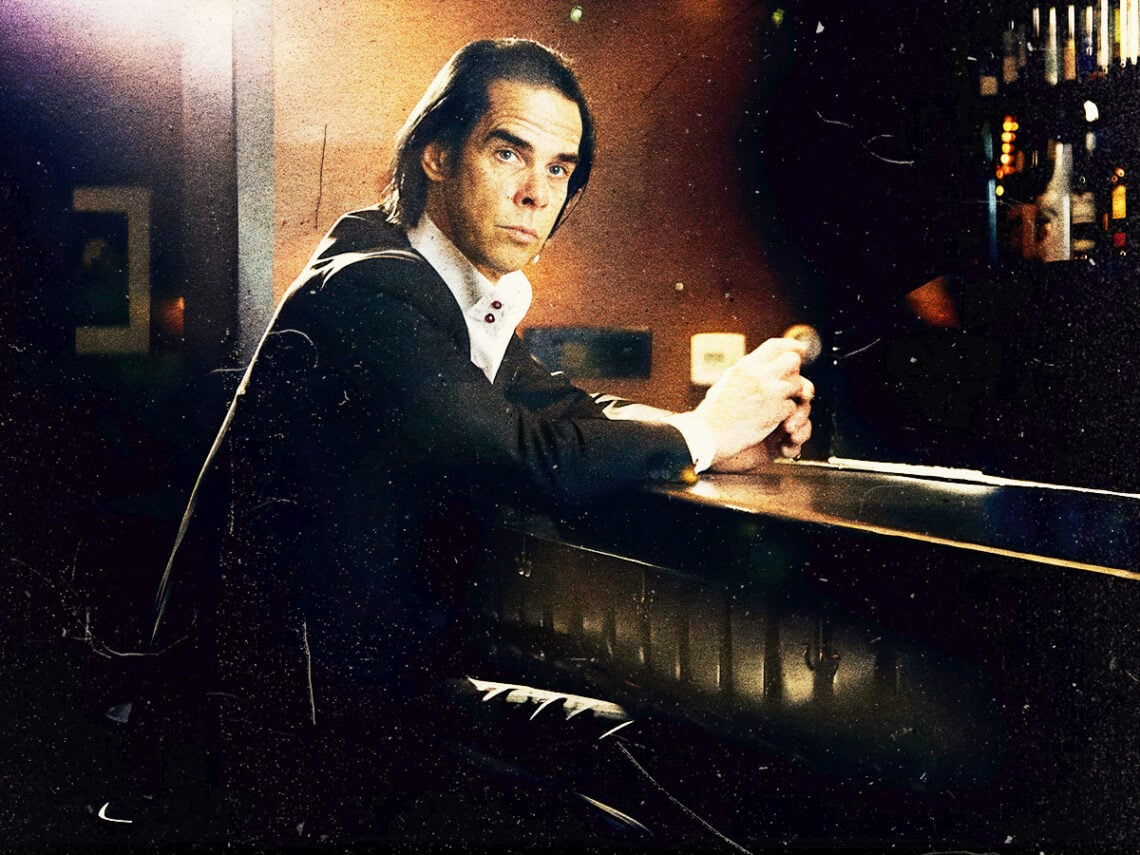
The song Nick Cave describes as an “elegy to the New York City of the ’70s”

Many stories came out of New York in the 1970s, and many more have been told about it. Musicians, both past, present, and likely further, turn to the distinct era for inspiration. In 2008, Nick Cave took the topic on in his own way.
New York was the home of the creative world; it seemed as if The Chelsea Hotel was busy and bustling with musicians, writers, actors and artists. The Velvet Underground were playing at Max’s Kansas City. CBGB was freshly opened and home to the new punk class of Patti Smith, Television and the Ramones.
After the hazy era of the 1960s, the ‘70s only dove even deeper into the chaotic world of narcotics, art and creativity, mixing the three to wilder, wondrous but often dangerous effects. As more and more countercultural figures and bands were scaling dizzy heights right to the top of success and notoriety, the allure of their world was stronger than ever, with more small-town kids hopping buses into the city to slum it with the beatniks.
Perhaps more so than any other era, the social mythologising of the 1970s relies heavily on the romanticised idea of starving or struggling artists. As all the leading figures of the time lived like beggars, cobbling just enough money together for booze and drugs but still putting on iconic gigs, it’s hard not to be drawn into the idea. It seems like an exciting or even noble life on the surface to cast off your comfort for the pursuit of art. It’s a story that’s been around way before Lou Reed or Joey Ramone. It’s a biblical tale.
“There was a certain rich man who was clothed in purple and fine linen and fared sumptuously every day. But there was a certain beggar named Lazarus, full of sores, who was laid at his gate, desiring to be fed with the crumbs,” the Bible reads in Luke, chapter 16. Lazarus, the poor man, dies at the same time as his rich counterpart. But having led a life of godliness and simplicity, he is resurrected while the rich man is sent to hell. God grants the struggling artist new existence and new chances, while the greed, or the sellouts, simply die.
“Ever since I can remember hearing the Lazarus story, when I was a kid, you know, back in church, I was disturbed and worried by it,” Nick Cave explained. “Traumatised, actually. We are all, of course, in awe of the greatest of Christ’s miracles – raising a man from the dead – but I couldn’t help but wonder how Lazarus felt about it. As a child, it gave me the creeps, to be honest.”

“I’ve taken Lazarus and stuck him in New York City,” Cave said of his track ‘Dig, Lazarus, Dig!!!’. “It is, most of all, an elegy to the New York City of the ’70s.”
Through the roaring and chanting track, Cave reimagines the biblical tale in the ever-romanticised worlds of 1970s New York, San Francisco and Los Angeles. Travelling between three countercultural hubs, his Lazarus is a downtrodden artist looking for peace and purpose in a life where “fame finally found him” but eventually leads him where we all end up, in the ground.
As the central chant of “Dig yourself, Lazarus” continues to rage on, the song questions what makes a Lazarus and what really separates him from the rich man. On the one hand, If Cave’s Lazarus finds fame, is he doomed to hell? Singing, “No one ever actually asked him to forsake his dreams”, he picks up on the idea of a sell-out and the suggestion that mainstream or monetary success is the murderer of the actual artist.
But on the other, Cave dooms his character to the suffering that defined the poor Lazarus, asking us whether it is noble at all as the figure “ended up, like so many of them do / Back in the streets of New York City / In a soup queue” before eventually ending up is “prison / Then the mad house / Then the grave”. And if that is the life he was doomed to lead, why would Lazarus ever want to come back to it? Cave moans like the sceptical Sunday schoolboy he was, “I mean, he, he never asked to be raised up from the tomb.”
Picking the biblical story apart and setting it in the dangerously hedonistic world of 1970s New York, Cave plays out the question of what is rightful suffering or if any suffering is ever noble. He shines a glaring light on the struggling artist stereotype and wonders whether it is a worthy life or just a rough one. As New York saw so many tragedies at the time, losing figures like Edie Sedgwick, The New York Dolls Billy Murcia or Sex Pistols’ Sid Vicious, none of them was resurrected thanks to living an artistic lifestyle.
Freshly clean from his own major drug habit that saw Cave himself living out the struggling artist myth, his conflicted, semi-critical view of the topic is tangled up in his own experience of coming out of the other side of his life. Something that many others didn’t manage. So, while eulogising the era, Nick Cave casts a questioning glance at our romanticism of its fatality.
