


New survey reveals young people want less sex in movies

Following notable prominent discussions on the purpose of sexually explicit scenes in film and television, a survey has been carried out to discover what young people really want from the media they consume.
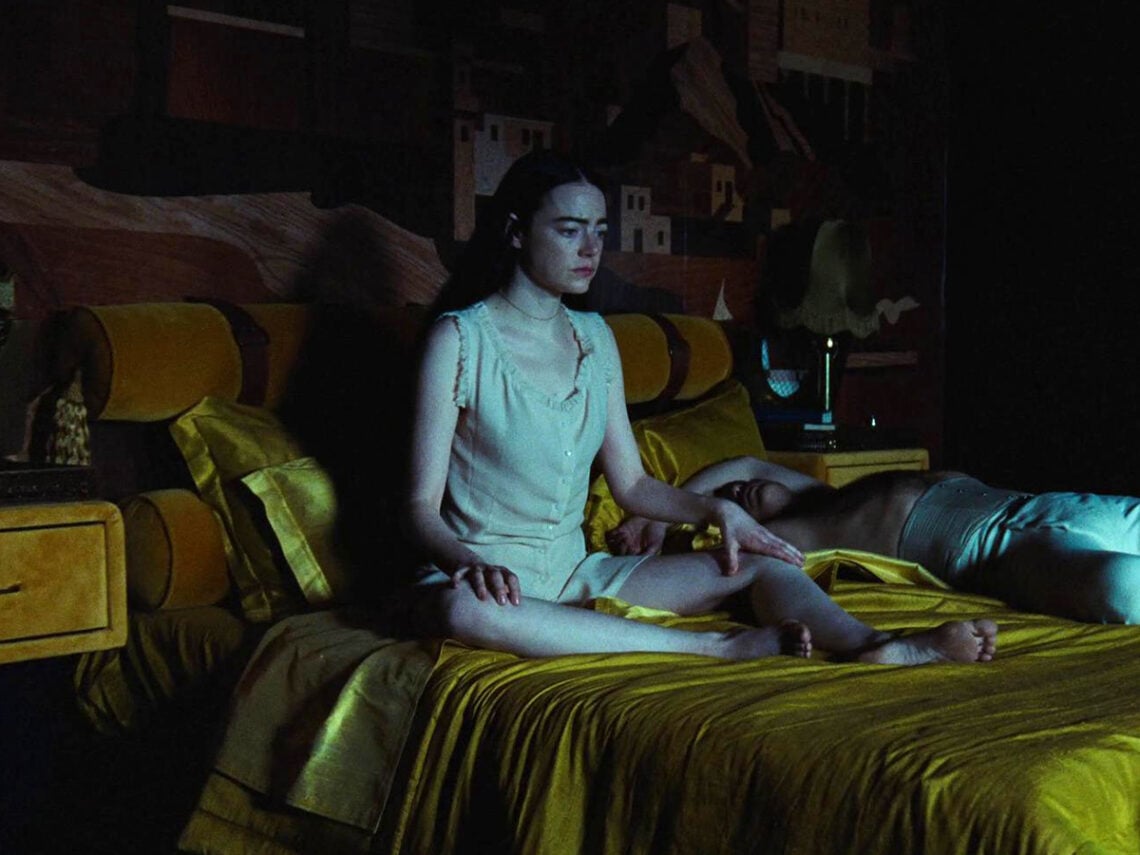
With the recent release of films like Baby Girl, Poor Things and Baby at film festivals and mainstream media such as Tell Me Lies and Fair Play, viewers are seeing more movies that are exploring the nuances of sexual encounters, with stories about how power dynamics and gender roles affect our relationships.
However, in a survey by the University of California titled ‘Teens and Screens’, the findings revealed that young people want to see less sexually explicit and romantic storylines, with more of a focus on platonic love and friendship. Over 1,500 participants between the ages of 10 and 24 took part in the study, with 63.5 per cent of the participants saying that they preferred that both major and minor plot lines on screen focused on friendships, with 64.2 per cent of those people saying that sex wasn’t needed as a plot device.
This is an increase compared to the findings of last year’s survey, in which only 51.5 per cent of those people said they preferred platonic storylines and 47.5% per cent said that sex on screen was unnecessary.
The director of the research centre, Alisha J. Hines said, “Our findings really seemed to solidify a trend we found emerging in our data last year that young people are tired of seeing the same dated and un-relatable romantic tropes on screen. Teens and young adults want to see stories that more authentically reflect a full spectrum of nuanced relationships”.
What does this survey tell us about modern cinema?
Perhaps the issue is not that young people don’t want to see any sexual content in film, but that they are tired of the current storylines they see around romantic relationships and sexual encounters. With an increasing lack of transparency and authenticity through the rise of social media and their online presence, perhaps people are craving something that more accurately reflects their real-life experiences.
When asked about the type of content they do enjoy, the results of the survey revealed that 36.2 per cent of adolescents preferred stories set in fantasy worlds, with only 24.2 per cent of the participants saying they preferred real-life stories about personal issues. Again, this could be because people are more inclined to seek escapism due to the pressures and anxieties of the modern world, or because people don’t find the stories about personal issues relatable to their experiences.
However, the erotic genre of film and television used to be very popular, with the likes of Game of Thrones, Fifty Shades of Grey and 365 Days. Hollywood has invested in less projects of this nature in recent years, following the decline in interest from viewers.
Similar research has been carried out on the subject by other institutions, with other reports finding that young people find it harder to date and are generally having less sex than previous generations. Many have contributed this to the rise of dating apps and an increase in social media use, making it less common for people to meet in organic circumstances and create intimacy due to everything being digitalised.
However, cinema might see a resurgence in this genre with the upcoming release of Babygirl and Anora, which are both stories about the changing nature of modern relationships which perhaps offers what wider audiences have been waiting for.

Never Miss A Scene
The Far Out Film Newsletter
All the latest film news from the independent voice of culture.
Straight to your inbox.