


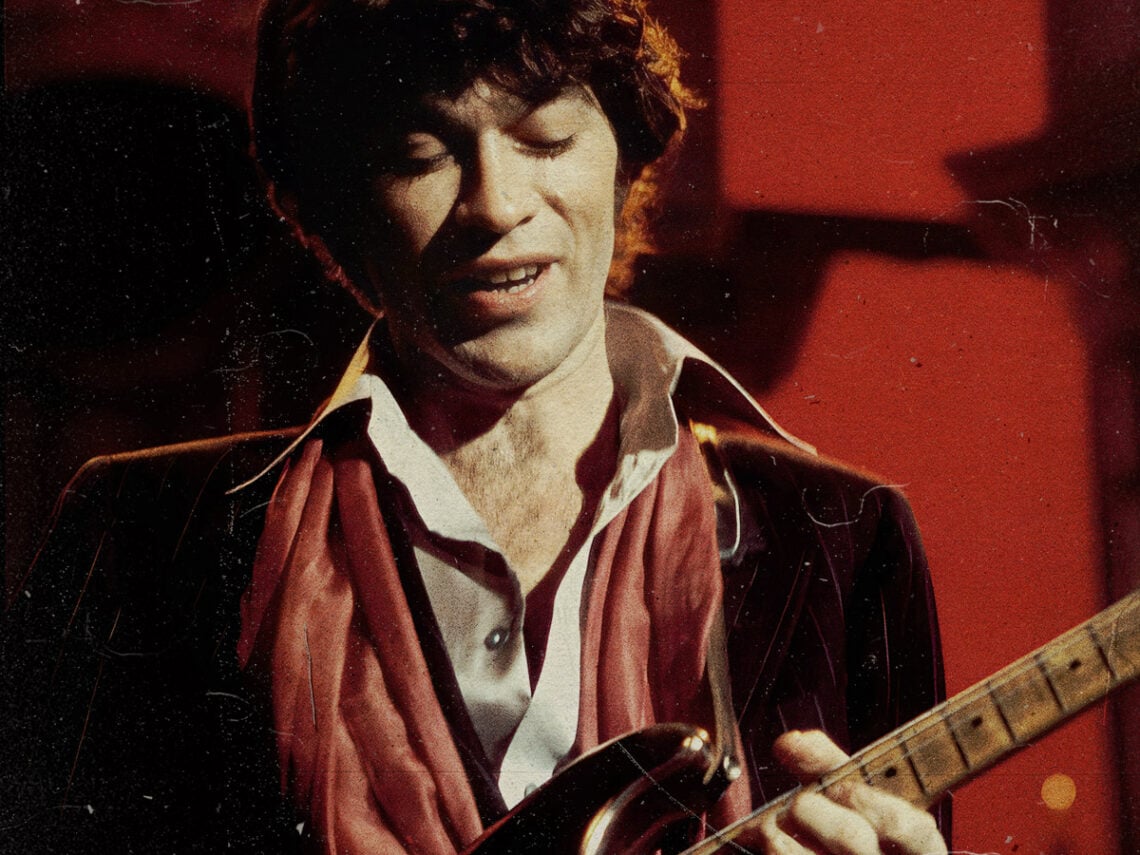
The “new species” that taught Robbie Robertson how to be a songwriter

Most 1960s rockers can claim to have seen it all when it comes to rock and roll. Despite the common theory that most people who remember The Summer of Love weren’t actually there, the biggest musicians on the scene seemed to be watching history made before their eyes every time they heard a new album. And while Robbie Robertson had his own legacy with The Band, he admitted that one artist started to bring an entirely new brand of rock and roll to the table.
When listening back to The Band’s best records, though, a lot of people forget how much they changed rock music on a dime. Everyone had still been immersed in psychedelia, and suddenly, the biggest band in the world still relied on three-part harmonies but also was steeped in the sounds of Americana music, ignoring the fact that almost everyone in the group hailed from north of the border in Canada.
While it was a much more gradual shift than the likes of Sgt Pepper being thrust upon the world, it’s hard to think about the massive amount of bands that wouldn’t be here without Music From Big Pink. It was clear the Fab Four were listening to it when making Let It Be, and judging by the sounds of Crosby, Stills, and Nash and the softer side of Pink Floyd, they were attuned to what Robertson was doing as well.
That only comes from a band that has refined their chops for hours on end, and working with Bob Dylan was practically a trial-by-fire scenario for all of them. Dylan was never that big on rehearsal, and when he finally decided to go electric, he was not going to suddenly go into the world of dress rehearsals, meaning that everything could change on a dime if he decided to play something in a different key.
Robertson was willing to roll with the punches, but he was more attuned to what Dylan was saying with his music. He had spent the lion’s share of his career making folksy songs with acoustic guitars, and with ‘Like a Rolling Stone’ alone, he made everyone realise that rock and roll could mean something more than party music and folk music could sound dangerous once in a while.
Despite The Beatles and The Rolling Stones having adventurous music of their own, Robertson felt that this brand of rockstar was unlike anything he’d ever seen, saying, “This wasn’t the folk traditionalist Dylan; this was the emergence of a new species. The obvious thing we learned – that everybody learned – was there was a new way of songwriting. There was a much more colourful, descriptive, humorous, outrageous thrill ride of wordplay. We hadn’t seen this before – this was breaking some big rules.”
And that kind of humour didn’t cater to the studio, either. Whenever Dylan and The Band played live, there was always a certain push and pull running through their best nights, usually with Dylan either adding another verse that never made the album version of a song or deciding to throw in different instrumental sections to keep everyone on their toes.
It may have been a new species of rockstar, but it only served to make The Band’s music that much better. Anyone can try their hand at changing the world with one song, but Dylan had the foresight to know when to push the envelope at the right time.

Never Miss A Tale
The Far Out Bob Dylan Newsletter
All the latest stories about Bob Dylan from the independent voice of culture.
Straight to your inbox.