


Naypyidaw: the world’s weirdest capital city

The notion of capital cities is a strange one that alternates wherever you travel. When you’re born in the West, they are long-standing places, with cities like London formed in the time of the Roman Empire, that have grown and developed to become the seat of power for many hundreds of years, but it’s not like that everywhere.
The idea of a capital city can also be ruled less by culture and history, such that, in Kazakhstan, they moved the capital from Almaty to Astana in 1997 because it wasn’t hemmed in by mountains and could be developed, while also being more central and further from the border of Uzbekistan. Then you have the likes of Juba, which was crowned the South Sudan capital when it gained independence in 2011.
As recently as 2024, we saw such a change with the catchily named New Administrative Capital replacing Cairo as the capital of Egypt, despite being a satellite city to the east of the former capital. In Equatorial Guinea, they’re currently building a new city on the mainland to become their capital, and then you have Myanmar, where Naypyidaw officially replaced Yangon as the capital in 2006.
While the rest of the world was watching Italy win the World Cup, in Southeast Asia, they were moving the capital 370 kilometres to the north, creating one of the world’s strangest capital cities.
Unlike other countries that have switched over a long period, this was announced, without warning, in November 2005, when the ministers were ordered immediately to head to what was then a small town near Pyinmana, and the new capital was named Naypyidaw, meaning ‘Abode of Kings’, at a cost of $4billion.
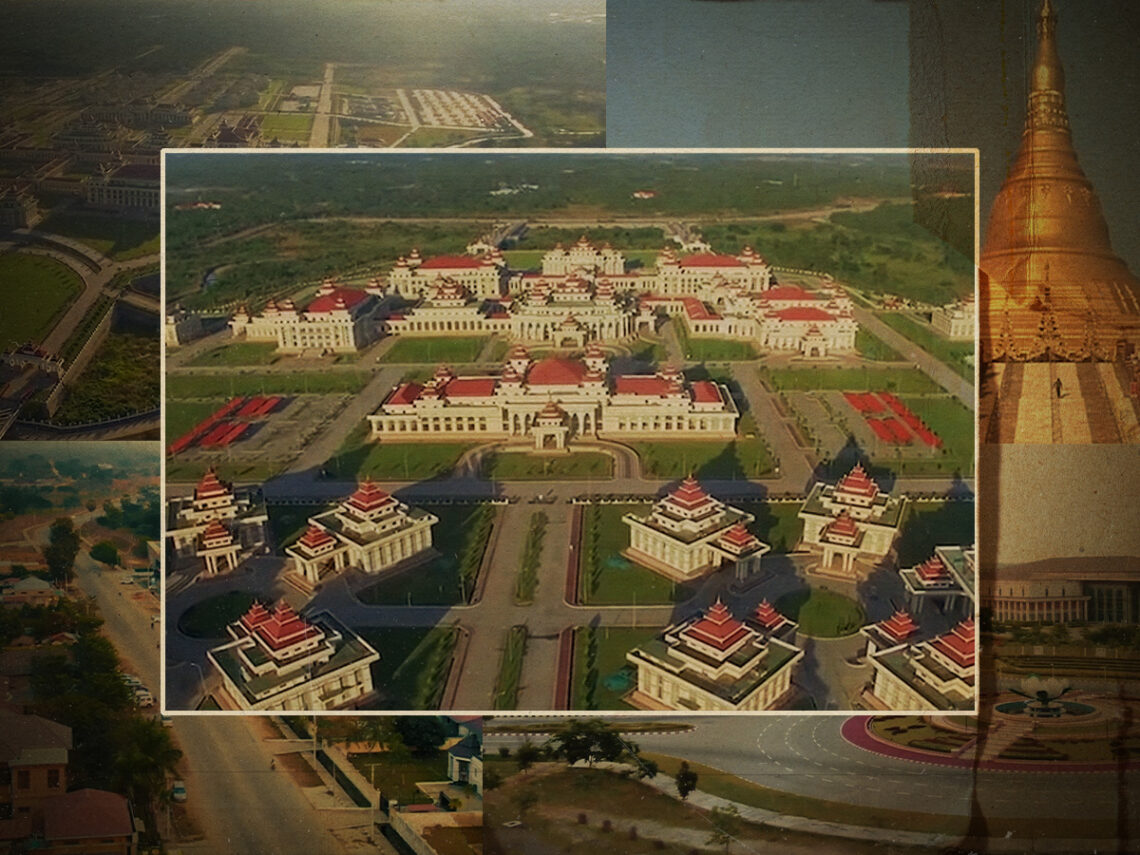
Naypyidaw is six times the size of New York City, has enormous highways that are 20 lanes wide, a zoo, golf courses, and, unlike a lot of the country, it has an electric grid that is constant and rarely cuts out. However, the one thing that it is lacking is people, and where this city can easily contain millions, it only houses a fraction of that.
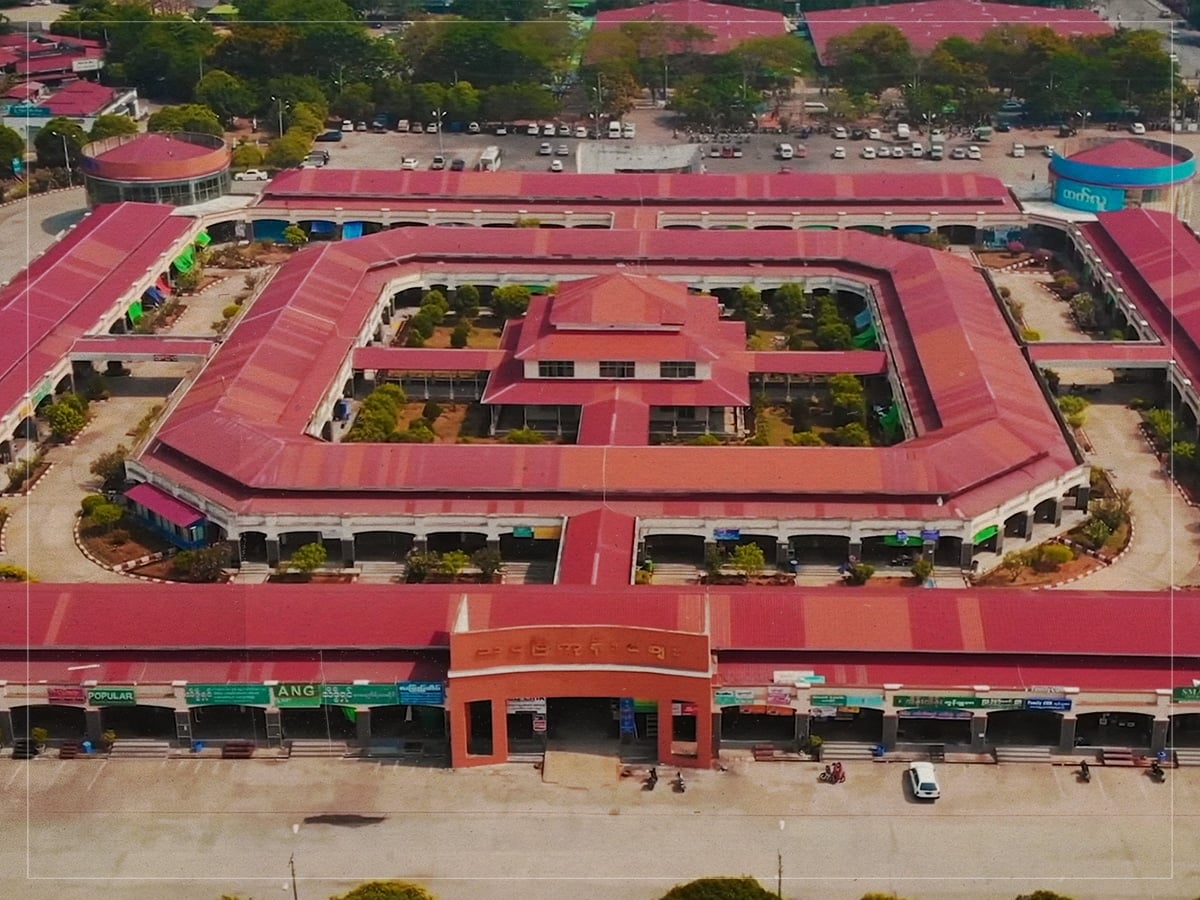
Its huge roads see barely any traffic, and rather than the buzz of a busy city, it’s largely quiet, which naturally leaves you asking how it happened and why. Officially, there were a myriad of reasons, where the government spoke about its central location in the country, such that it would be easier to develop in the future or that it was to shake off its colonial past, with Yangon the capital of what was Burma; however, this doesn’t ring true.
Yangon has a couple of major issues for the regime: firstly, as a coastal city, it was vulnerable, and secondly, it had been the hotbed for 1988’s uprising and again was home to mass protests a year later in 2007. In contrast, Naypyidaw was surrounded by jungle and farmland, isolated and a long way from a huge number of people. The city’s layout has governmental buildings set up miles apart, roads so big that protests couldn’t concentrate anywhere, and the grid structure meant that if they did, they could be quelled easily.
There are even rumours that the roads were designed to be so wide that they could be used for aircraft to take off, in the event that there was any attempt at a coup within the country, but even more worrying were some rumours that the military elite in the country had been guided by astrology.
The country is currently in the midst of a civil war that has been ongoing since 2021, but as it stands, the city is a capital in name only, lacking culture and spontaneity, with many of the houses empty, and some that aren’t, only occupied by civil servants who are forced to live there.
There’s no history there, which is why in the Uppatasanti Pagoda they built as a replica of Yangon’s Shwedagon Pagoda is much like the replica of the Eiffel Tower in Las Vegas: it’s totally worthless when devoid of the cultural and local meaning of its home, and also, unlike the original, yet totally in keeping with Naypyidaw, it’s hollow.
In some ways, Naypyidaw perfectly encapsulates the state of the country, with rulers distant from everyday life, commanding the country while being disconnected from those they serve.
