


The baffling mystery of the heist that robbed $200,000 from Led Zeppelin in 1973

Led Zeppelin‘s career was even more eventful than the average season of Married at First Sight, and about one billion times more meaningful.
Full of sex, drugs, rock and roll, and a private jet with its own dancefloor, there was also violence, tragedy and even a mysterious robbery hurled into the heady mix. One night, on July 29th, 1973, the band were burgled of over $200,000 in cash by an unknown party. Over half a century on, the strange crime remains startlingly unsolved, typifying the mania that went in tow with classic rock’s most freewheeling juggernaut.
On the night in question, the band were staying at the illustrious Drake Hotel in New York City, and they were about to play the last of a trio of nights at Madison Square Garden. These shows were a big deal for the band.
They were the biggest band in the world, and steadily cementing that status. Nothing evidenced that quite like the crowning achievement unspooling at that time. Over the course of the MSG run, the band were filming their iconic concert film, The Song Remains the Same.
All was going smoothly, and the shows simply looked set to casually reaffirm their greatness. There was little else to report. Then, at 7.30pm, the band’s hellraising road manager, Richard Cole, went to check on their hotel safety deposit box, which contained around $200k in cash (about $1.5m in 2026) – the float to see them through the shows – only to find it empty, save for five passports.

A theft that prompts a thousand questions
A great and perplexing crime, Peter Grant, the band’s manager, held an emergency press conference the following day while the band remained in seclusion in their 17th-floor suites, trying to make sense of what had happened in a daze of drugs and alcohol. A thorough police investigation ensued, with the safe’s locks removed for inspection and covered in fingerprint powder. Despite this, the efforts of the authorities proved fruitless.
Officers told the press at the time that Richard Cole had explained that the money was in the box when he opened it at around 11:20am on the Sunday morning, but when he checked it at 7:30pm the next day, all that remained was the five passports. He estimated that between $203,800 and $220,000 was missing.
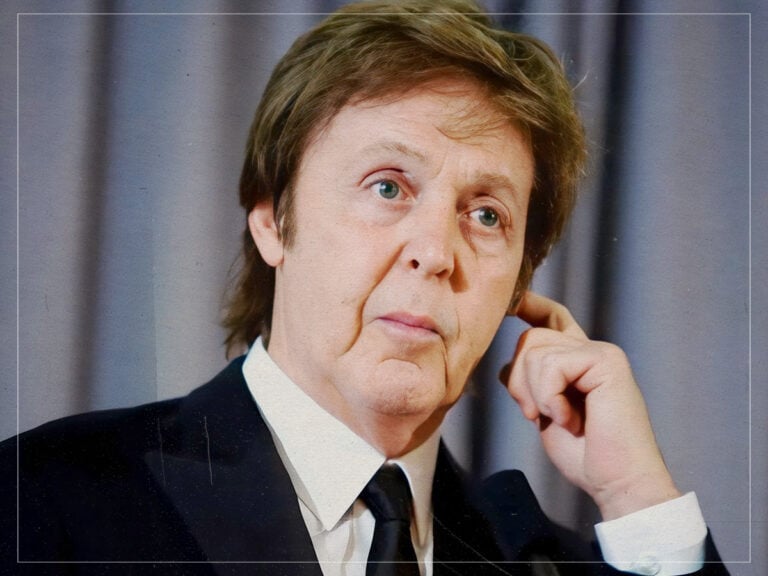
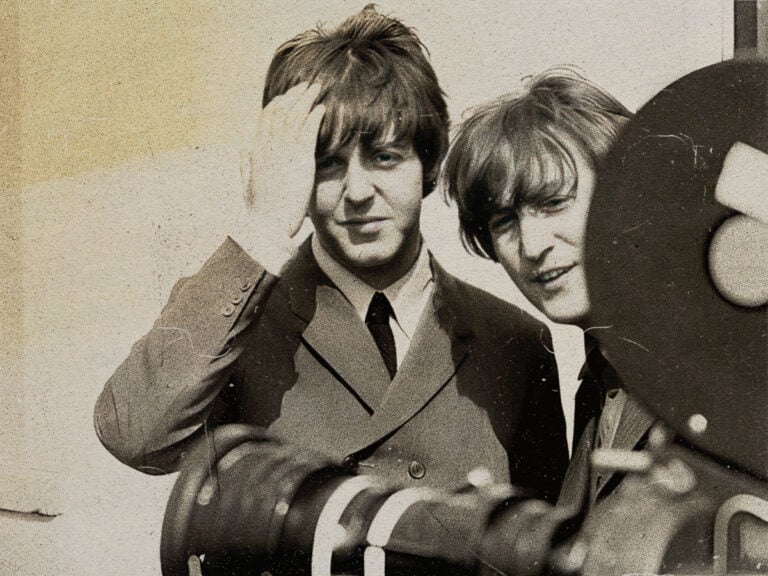
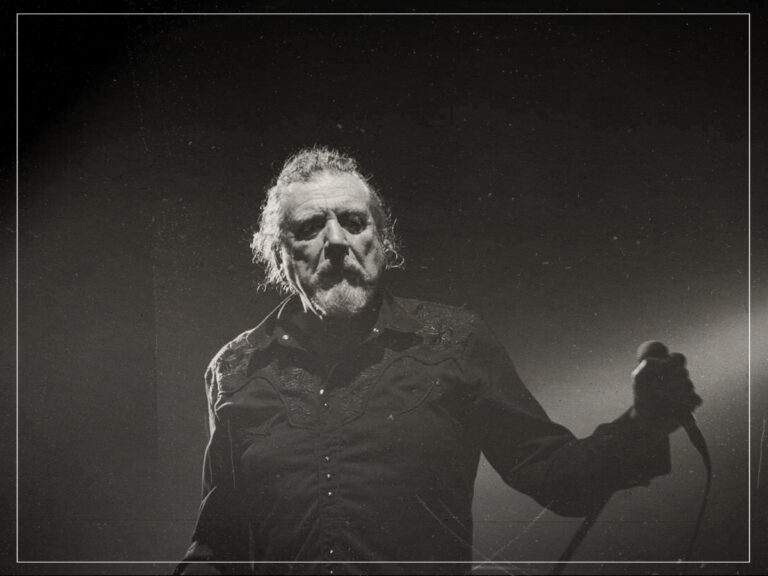
The detectives assigned to the case asserted that there was no indication that the box had been forced open. They revealed that one key, kept by the desk clerk, was needed to remove the box from the safe and that another, in Cole’s possession, was needed to open it. So, bizarrely, everything seemed to be accounted for, and no rational explanations for how the money went missing were arising.
The befuddled Led Zeppelin managers told detectives that they kept the cash at hand because they had “a lot of expenses to pay”, partly answering the question of why the hell they had such a ludicrously lavish cash levy to hand. Satisfied with what that implied, detectives were happy to accept that such expenses must be a hedonistic classic rock norm. After all, it was an era when Elvis Presley’s private plane had a 24-karat gold-plated sink in its bathroom.
But understanding the size of the levy did nothing to bring it back or quell the turmoil surrounding its disappearance. Suddenly, the smooth running of the shows was under threat. A million doesn’t come for free, even to Led Zeppelin. That’s a fair bit of loose cash. In fact, it is a figure that raised suspicions among the police and deepened the mystery.
Unfortunately, the hotel detectives declined to comment on the heist at greater length, deciding to keep the ongoings under wraps. However, Michael Stiller, the establishment’s assistant manager, told the press that the hotel didn’t keep records of the contents of its safety deposit boxes. When asked if anyone would have been aware of the value of its contents, Stiller replied definitively, “No”.

At the time, the police also informed the media that Cole had told them that the money had been amassed from the group’s concerts on their current tour of the country. That evening, the band performed their last performance at Madison Square Gardens, and that was to be it for their US tour, as drugs and exhaustion were starting to take their toll.
This also added to the mystery as it would seem the timing was most fortuitous. Robbing Led Zeppelin that night was like robbing a cash-only fish ‘n’ chip shop on Good Friday. A few nights later and the money would’ve been making its way to the bank to be securely deposited; a few nights earlier and the bounty wouldn’t have been quite so lofty as Cole claimed the cash was accumulating with every show, despite expenses going out the other way.
Yet, the band’s response says a lot about how far they had come from their working-class childhoods in the Midlands. “Jimmy (Page) and I just laughed about it,” recalled frontman Robert Plant, who thought that the theft actually “somehow made sense”.
Yet, he declined to expand on the whys and wherefores of this “sense”. Grant, Cole, and a hotel Bellman were all questioned in connection with the robbery, as the police believed it was an inside job, but a culprit was never found. Half a century later, the culprit and cash remain elusive. The perfect concert film, has a perfect crime to go along with it.
Strangely, this heist is now largely forgotten, seemingly even by the authorities who have rarely revisited the closed file. The robbery would fade into the background of the concert film and be forgotten within the storied history of Led Zep. It is now just one minor part of the lifespan of one of the world’s biggest rock bands.
But someone somewhere, no doubt, cracks a beaming smile any time the famed band flutter their way onto the radio, all their “expenses” happily paid for a lifetime thanks to one lucky little not-so-safe deposit box and a band at the height of their game.

Never Miss A Beat
The Far Out Led Zeppelin Newsletter
All the latest stories about Led Zeppelin from the independent voice of culture.
Straight to your inbox.