


‘My Brilliant Career’: a frank exploration of ugliness and the value of agency

Despite their prim and proper exterior, period romances have slowly but surely become one of the most steamy and sordid genres to grace the silver screen. Due to the repressive societal norms and strict rules around love, the genre naturally lends itself to restrained and incredibly arresting stories as we watch two people skirt around their sexual desires and impulses, trying to remain unbothered while being very obviously hot and bothered.
Whether it be Pride and Prejudice and Matthew MacFayden’s Mr Darcy’s iconic flexing of his fingers after brushing hands with Keira Knightley’s Elizabeth Bennett, or the crushing scene in Little Women in which Laurie yells, “It’s no use, Jo!”, audiences continually return to the simultaneous devastation and comfort of love stories from the past. The relationships somehow feel simpler yet also more complex, with the likes of Lucy Honeychurch and Mr Emerson and their ‘will they, won’t they’ dance combined with the straightforward trajectory of their relationship after confessing their feelings. These stories of yearning are woven with tropes of chivalry and commitment, which feel like a relic of the past.
But while we’ve seen these tropes explored in many ways, Gillian Armstrong manages a unique perspective through her 1979 film My Brilliant Career, which was streets ahead in its portrayal of female agency, self-discovery and the value of beauty.
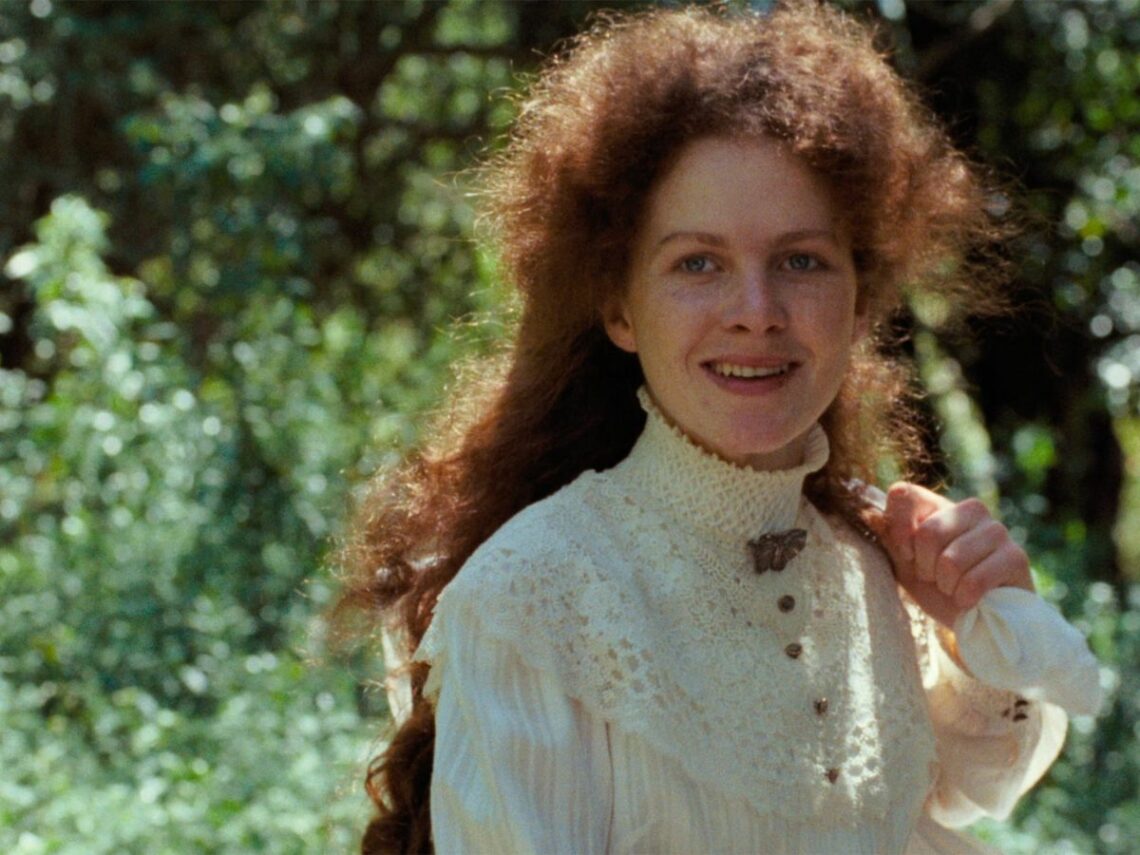
The movie follows an unruly young woman named Sybylla who longs to leave the confines of her family farm and see the world, with dreams of becoming a writer with a brilliant career, something entirely unexpected of women in the early 1900s. However, her dreams start to come true after being sent to live with her grandmother, allowing her time to experience a different way of life and pursue her creative passions. However, her plans are thwarted after crossing paths with the charming young Harry Beecham, which leads to her family pressuring her to marry and settle into the conventions of traditional womanhood.
While the chemistry between Sybylla and Harry is undeniable, with charged scenes where they chase each other through fields and release their sexual frustrations through an intense pillow fight, the former is conflicted about her feelings, for she values her self-love and liberation more than any marriage or man. Her first and foremost commitment is to herself and the journey of fulfilling her intellectual potential, something she is repeatedly praised for and is told is a key attribute, substituting for her absence of beauty.
This is a recurring and interesting strand throughout the film, with Sybylla being frankly told that she is ugly and should settle for any man that will have her. Much to the surprise of all her family members, Harry Beecham is a very strapping young lad, and they are all afraid that his love for her is somewhat precarious and a result of his boredom, believing it to be unlikely that such a conventionally attractive man could be attracted to someone they deem unattractive and plain-looking.
Now, Sybylla is far from ugly, and it’s another trick of the film industry in which they convince us that any woman who looks slightly different from the norm is some kind of monster and doomed to a completely loveless existence. If you shove a pair of glasses on a beautiful girl, stick braces on her, or add some frizz to her hair, then we’re expected to believe that she is an eyesore—nice try, Hollywood.
As a result, all of this plays into Sybylla’s inner conflict over her future, adding a different strain to their budding romance in which she yearns to be with him, but is afraid that by giving in, she’ll be shamed for not fulfilling her self-imposed restrictions of avoiding love as a punishment for being ugly. In a world that deems ugliness as the ultimate crime from any woman, our female protagonist has unconsciously concocted the idea that in order to make up for her appearance, she must turn herself into some kind of academic genius. But a man like Harry Beecham was not on the cards, and she finds herself surprised by the turmoil this provokes, wrestling against her feelings for him and the standards she longs to achieve for herself.
While beauty is certainly a factor in their relationship, with many people reiterating to her that Harry will surely grow bored of her and find a prettier girl to marry, Sybylla is, above all, a headstrong woman who knows what she wants. She might have been encouraged to pursue other avenues of fulfilment as a result of not being seen as an adequate love interest, but she is also committed to living as fully as possible and nurturing a truly brilliant career. While she is sometimes abrasive in her assertiveness, it was revolutionary to see a woman from this time behaving as such, tackling the limitations of class and gender and dedicating herself to a life deemed rarely possible for women.
My Brilliant Career is an elegant, romantic, and strikingly progressive film about the limitations surrounding our dreams and what it means to defy societal expectations and overcome them. It follows the journey of a wild woman who stays true to herself as she puts herself and her ambitions before any man, no matter how much she is encouraged to settle and let go of her individuality for the sake of conformity. The need to preserve her ambition and desire for a brilliant career is the ultimate love interest of the film, sitting leagues ahead of other period romances in which this is never allowed to be a concern and remaining as one of the most empowering feminist films of the decade.
