


The musician Siouxsie Sioux accused of killing music: “Stifling the spirit of any youth movement”

It’s often when something becomes mythologised that its true meaning becomes unclear. As one of the first defining figures of the UK punk movement, Siouxsie Sioux has witnessed its evolution from something real and “innocent” to something largely defined by modern-day nostalgia.
“Punk nostalgia seems to be every year,” she once said. “I think people keep going back to it because it’s a thing that can’t be repeated. People try to reinvent the next big thing that’s going to shake everything up, but it’s too self-conscious. What people don’t understand is when punk started, it was so innocent and not aware of being looked at or being a phenomenon, and that’s what everyone gets wrong.”
As such, punk, as defined by Sioux, is “a freak of nature”. Aside from the fact that nobody – not even the movement’s most highly regarded scholars – will ever truly understand what it was like unless they were actually there, it also means that it was one of the most authentic concepts to ever emerge. So much so that nobody even thought for a second that they ought to capture it on film; they just existed in the moment, unaware that they were experiencing a significant part of history.
For Sioux, therein lay its true power. But it was also much more than that, a living, breathing manifestation of the unconventional and the unorthodox, a place where it didn’t matter if you were a man or a woman. If you were good, most people welcomed you. As Sioux later reflected to Uncut, “It was trying to break down the stereotypes, and it was the kind of thing where, for the first time, women were on a par and not seen as just objects.”
All of this also likely explains why Sioux was later conflicted about the mythologisation of her own image, or where she fit within the generic ‘goth’ label, shunning it somewhat after observing those who took it far too seriously. Sioux’s music was always far more than the image, the “cartoon”, as she put it, or any other reductive descriptor that removed any sort of nuance.
It’s also why she’s always marched to the beat of her own drum, following her instincts when other movements came and went, or when punk became nothing more than an overcomplicated concept redefined by a surge of people who could never actually call it their own. Even now, it’s talked about through a disconnected lens, romanticised by the countless voices who see it as something that was almost aware of its own importance.
Well, it wasn’t, and it never was like that at all. In fact, it emerged with the kind of humility Sioux still carries to this day, particularly when she observes the scene around her and the perils of commercial pandering and overexposure. There are so many unnecessary parts of today’s music industry, and, according to Sioux, overdoing it is most certainly one of them. “The accountants of this world are now making the music as well as programming it on the radio, the TV and everywhere else,” she once opined.

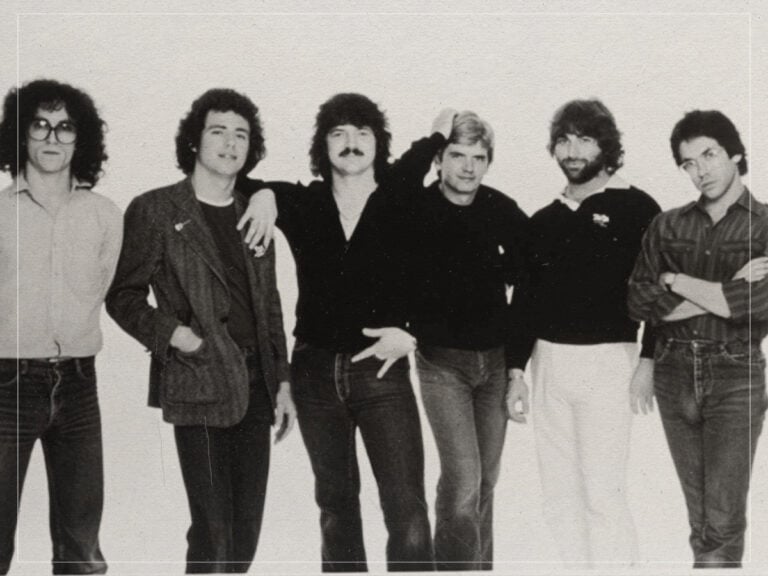
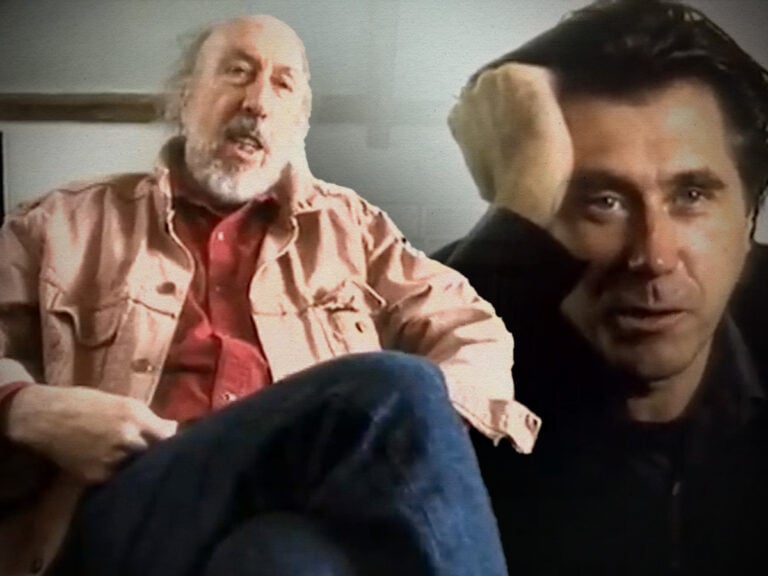
Continuing, “It’s like, why does Phil Collins need to do every show available? That’s what’s stifling the spirit of any youth movement.”
As such, Sioux’s gripe was never wholly about things presenting themselves as something entirely different; it was also about the unnecessary proliferation of certain artists and styles. In her view, this is what ultimately quashed the principles she’d worked so hard to bring to the surface, resulting in an unavoidable surge towards the commercial mainstream.
