


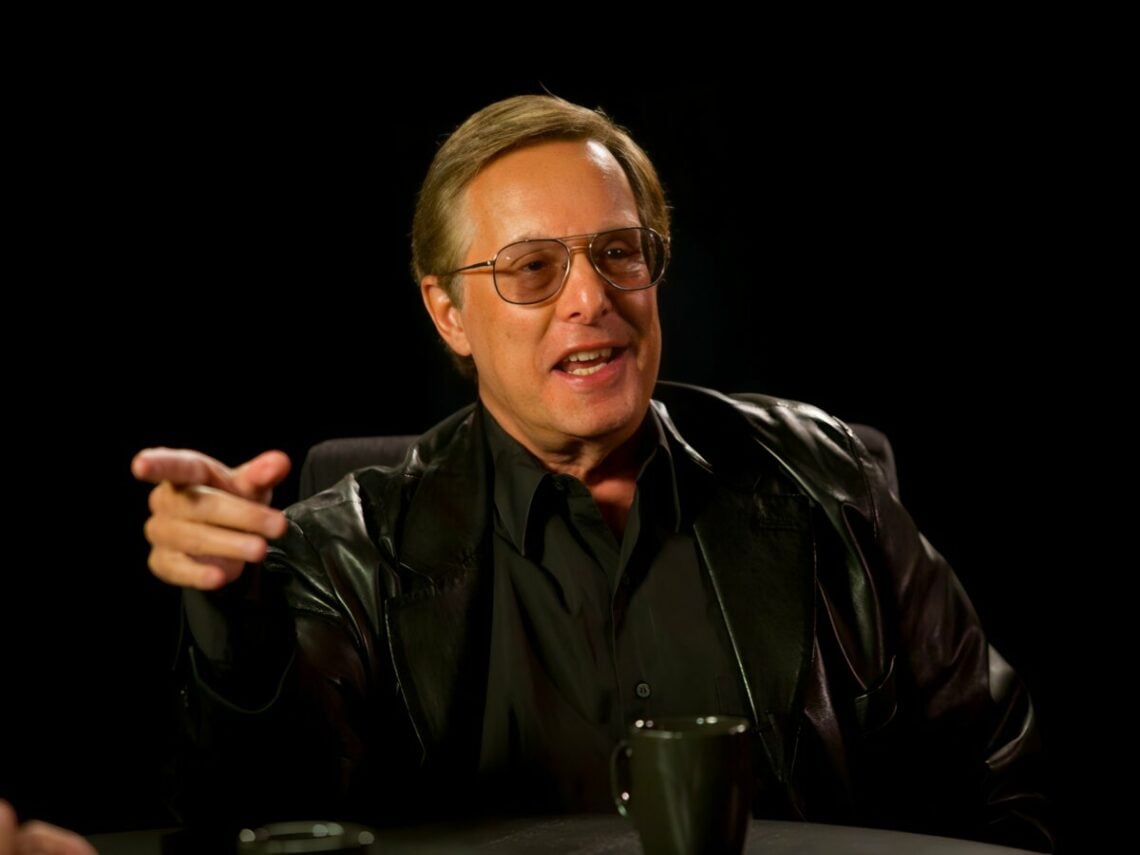
The movies William Friedkin despised the most: “Fucking awful, beyond stupid”

Wiliam Friedkin is one of the most notorious directors of the New Hollywood movement, with infamous stories from the set of The Exorcist that resulted in a life-long back injury for Ellen Burstyn, a priest being slapped in the face to ‘get him in the mood’ for a scene and heated arguments with the director of photography over the lighting.
Over the years, the filmmaker has found a formula through his portrayal of madness and violence, with his later film Bug showing a keen interest in body horror and grotesque physical transformations, something that can be seen in his earlier work as people find their bodies subject to forces outside of their control. However, after developing such a specific style, Friedkin sometimes struggled to enjoy work that was not within his preferred genre, expressing distaste for a certain type of story and demographic of people.
An all-consuming ego became the curse of many directors from the New Hollywood movement, with people like Peter Bogdanovich and Francis Ford Coppola being described as particularly difficult characters after rising to power, with the fame going to their heads. Allegedly, Bogdanovich would refuse to introduce himself when walking into a room because he assumed everyone knew who he was, and Friedkin did not take kindly to criticism of any kind, often snapping back in interviews when faced with comments about his work.
However, this era in cinema was a glorified boys’ club, with women’s stories rarely being portrayed on screen and studio executives showing no interest in the female perspective, dismissing their creative interests and ideas. Unfortunately, many of these male directors saw hyper-masculine stories as the pinnacle of entertainment, with Friedkin expressing his distaste of genres that are typically enjoyed by women, despite the fact that his films could also be awarded the same criticism.
When discussing recent releases, Friedkin did not have kind words to say about female-led stories, saying, “These perfectly normal American women probably have an education, and are gainfully employed, but I don’t have a clue what they’re talking about. The movies they liked, “feel-good movies,” are fucking awful, beyond stupid, like Sex and the City (2008) and Bridesmaids”.
While something like Bridesmaids might not be his cup of tea, the language he used is incredibly insulting, implying that your enjoyment of certain films is a reflection of your intelligence. Men are not criticised for any passion, hobby or enjoyment of any media, despite the fact that conventionally masculine stories such as Fast and Furious and the one-note action thrillers are just as empty as the chick flicks he so confidently relegates to the category of being ‘beyond stupid’. I would argue that watching men in suits blow up planes for two hours belongs in the same territory, but somehow, it is seen as a higher art form purely because of the reason that male audiences typically enjoy them.
Cinema is powerful because it can be enjoyed by everyone, and you would think that a director would appreciate the diversity of taste and the many different stories enjoyed by mass audiences, but unfortunately, this isn’t the case. Friedkin seemed to imply that some stories are more important than others, and that films about women do not classify as such.
