


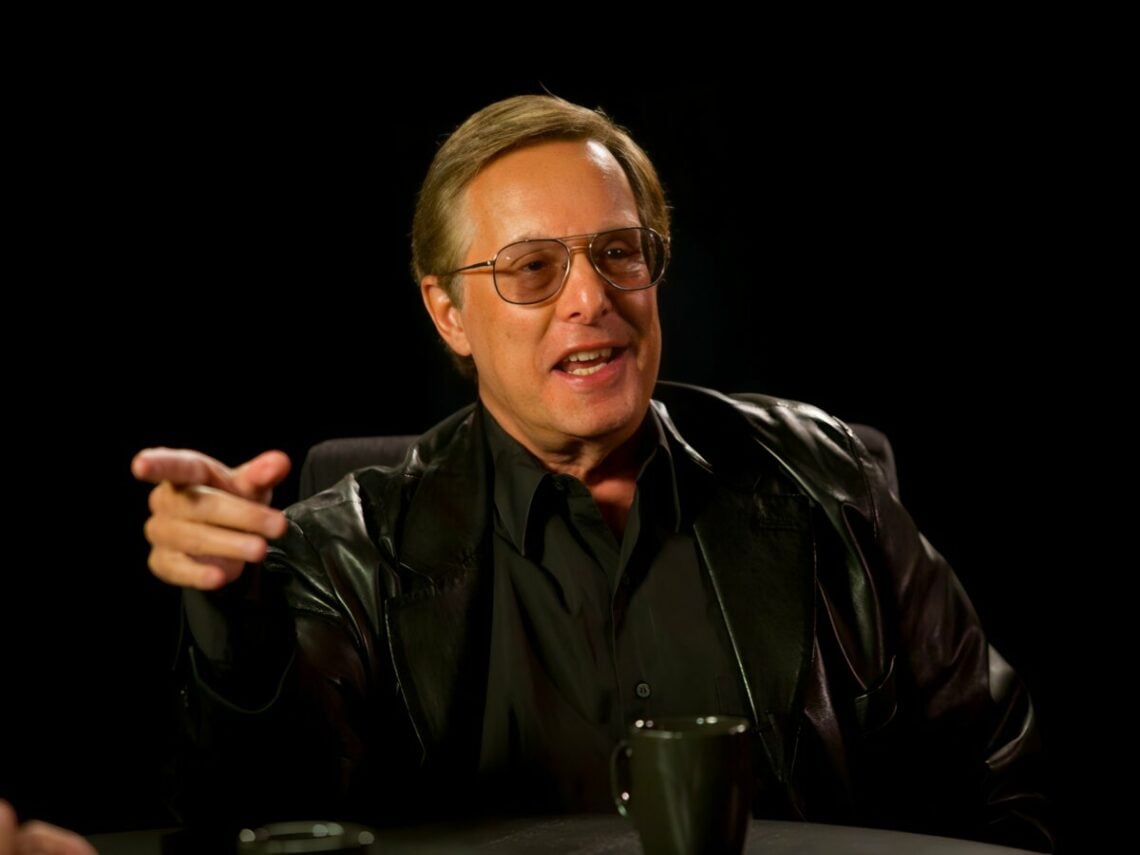
William Friedkin named his only perfect movie: “The one film that I would not change a frame of”

In the late 1960s, a new crop of young filmmakers landed in Hollywood, ready to blow the industry to pieces. Sam Peckinpah, Arthur Penn, Mike Leigh, Francis Ford Coppola, and, of course, William Friedkin brought a new kind of visceral cinema to audiences, creating movies that were gritty, realistic, and largely uncensored about their subject matter.
Early on, they were hailed as young geniuses after the successes of movies like The Wild Bunch, Bonnie and Clyde, The Graduate, The Godfather, and The French Connection. Over time, however, their idiosyncratic directorial styles, which often involved remote locations, unsanctioned stunts, and ballooning budgets, put a dent into their reputations, and a spate of box office bombs put a swift end to the carte blanche they had grown accustomed to receiving from producers.
Friedkin was one of the first to suffer from the change. When The Exorcist was released in 1973, it became an international sensation, with audiences fleeing theatres in terror and critics falling over themselves to praise the director’s visionary filmmaking. You might assume that this film would be the one that the director was most proud of. Strangely enough, however, the movie that Friedkin felt was his best work also happened to be his biggest flop.
After The Exorcist was nominated for ten Oscars, it seemed Friedkin could do no wrong. Then, he made Sorcerer. Set in South America, the film follows a group of outlaws from various parts of the world who agree to transport two trucks of highly volatile nitroglycerin through the jungle to stop a fire at an oil rig in exchange for their freedom. It features some of the most daring stunts in cinema history and nearly cost Friedkin, his crew, and his actors their sanity. It also cost the studio an enormous amount of money they didn’t earn back at the box office. Sorcerer was a colossal flop, and it severely damaged Friedkin’s career.
In recent decades, however, the film has become a cult classic and is even considered one of the greatest films of the ‘70s by some critics. For Friedkin, it was his magnum opus. When it was digitally restored and re-released in 2014, nearly four decades after its initial opening, it was met with rapturous praise.
“If I had the opportunity, I would change all of my films in one way or another,” Friedkin said onstage at the CPH PIX Festival in Copenhagen while introducing the movie in 2014 (via the MUBI Podcast). “[B]ut not this film. Not Sorcerer. This is the one film that I made that I would not change a frame of.”
He wasn’t just saying that out of contrarianism. Sorcerer is one of the great under-appreciated gems of the period, demonstrating the immersive, nail-biting power of cinema at its peak. The scene in which the characters attempt to cross a rickety suspension bridge in a torrential downpour is one of the most exciting in Hollywood history and could never be made today. Coppola may have earned all the accolades for his own hellish jungle odyssey for Apocalypse Now, but Sorcerer deserves at least as much praise.
