


‘Les Mistons’: the 1957 movie that started everything for François Truffaut

When François Truffaut made his debut feature, The 400 Blows, he became an internationally recognised talent, even winning ‘Best Director’ at the Cannes Film Festival. From that moment, the French New Wave properly kicked into gear, spawning an artistic revolution that would change cinema forever.
Before this, however, Truffaut had worked alongside fellow French New Wave filmmakers like Jean-Luc Godard, Eric Rohmer, and Jacques Rivette at Cahiers du cinema, a magazine specialising in film criticism – it was here that Truffaut penned his 1954 essay, ‘Une certaine tendance du cinéma français’, which attacked the traditionalism of French cinema, with the budding filmmaker emphasising the desire for a fresh approach to filmmaking, and you’ve got to give him credit – he actually did something about it rather than just penning essays hoping for change.
The following year, he picked up a 16mm camera and made his first short film, Une Visite, with the help of Rivette and Alain Resnais, but unfortunately, Truffaut was not happy with the results, and to this day, it’s unavailable for public viewing. He wanted to pretend that it never happened.
But Truffaut wasn’t going to give up on filmmaking that easily. He got to work on another short film instead, and what transpired was, according to him, really the beginning of it all – Les Mistons came in 1957, just two years before The 400 Blows, and you can see the similarities between the two, most obviously in Truffaut’s preoccupation with childhood.
With The 400 Blows, Truffaut transplants a vision of his childhood self onto the character of Antoine Doinel, a mischievous yet well-meaning young boy who, at the end of the day, just wants to be loved. In Les Mistons, he gathered a small group of similarly mischievous boys, only here they find themselves fascinated by their own burgeoning sexual feelings, infatuated by a local young woman named Bernadette.
The only problem is – Bernadette is infatuated by her own boyfriend, Gerard, and the pair spend their days kissing and fooling around together, much to the jealousy of the young boys. They watch on, their developing minds exposed to the passions of love, but unable to experience this for themselves, they try to drive a wedge between the couple by annoying them as much as possible.
In the end, Gerard snaps and hits one of the children, but they continue to play their infantile games. The boys represent the mischief of youth and the way that the feelings of sexual awakening can wreak havoc – they’re overwhelmed by these new emotions, and they manifest in strange ways… One of the boys kisses her bicycle seat, for example, but then he’s back to his childish games, like sending an erotic postcard to Bernadette.
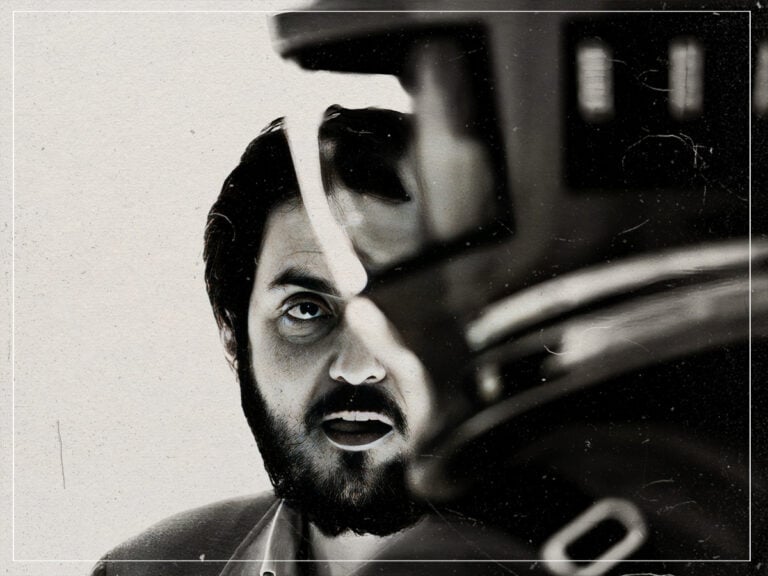


To capture these events with an innovative eye, Truffaut employed a range of techniques that he would continue to develop across his filmography, from using non-professional actors to handheld shooting on location, far away from the artificiality of a studio set, and there’s something so real, intimate, and honest about this short film, an approach that Truffaut would carry with him through decades of further success.
Tragedy ultimately strikes in Les Mistons, though, and it’s this layer of unexpected emotional depth that recalls the tenderness and sadness of The 400 Blows, where childhood innocence is worn away as the realities of the adult world are gradually exposed.
The success of Les Mistons – a fun yet nuanced look at boyhood and the erosion of innocence – gave Truffaut the confidence to make his first feature. The 400 Blows took these semi-autobiographical ideas and blew them up with even more depth and scope, resulting in an emotive, charming masterwork of the nouvelle vogue.
