


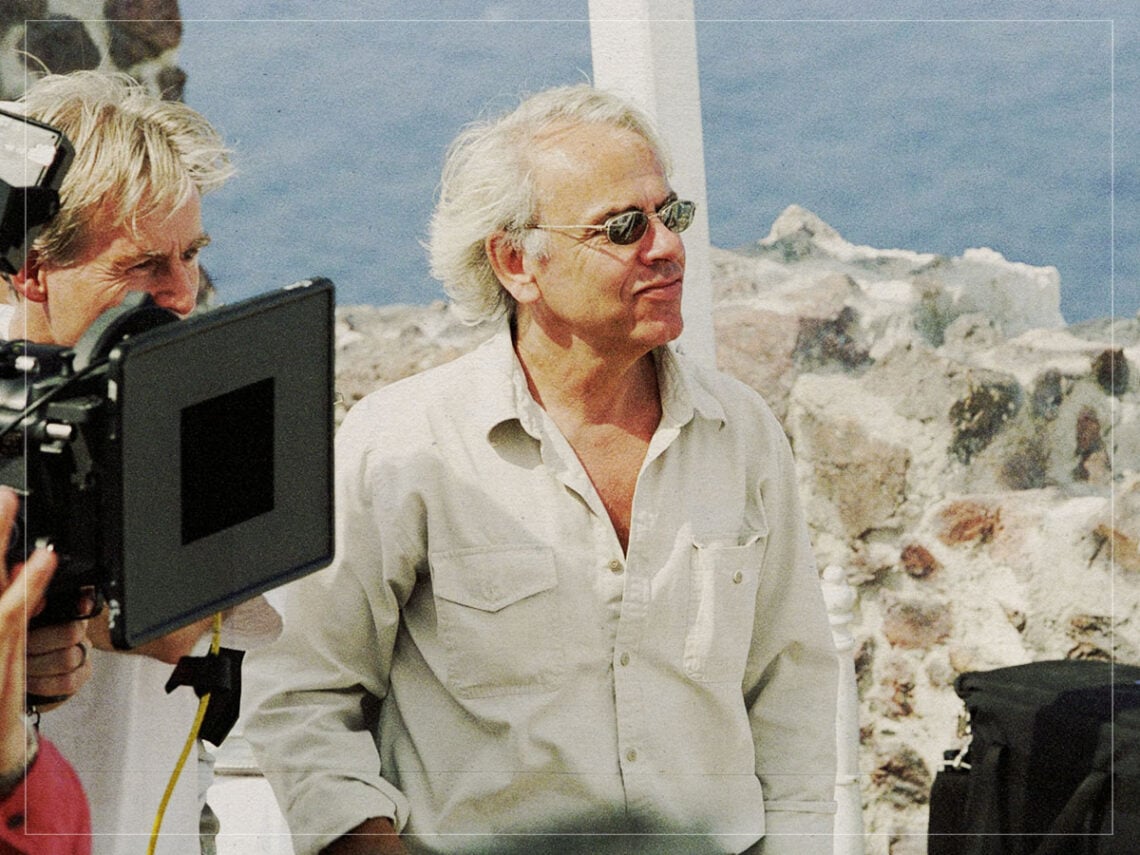
The movie that sent Jan De Bont into Hollywood exile: “This is too difficult”

In the 1980s and ’90s, Dutch filmmaker Jan De Bont contributed a massive amount to Hollywood blockbuster cinema. As a cinematographer, he formed the visual palette of movies like All the Right Moves, Die Hard, The Hunt for Red October, Flatliners, Lethal Weapon 3, and Basic Instinct. Then, when he graduated to directing, he made Speed and Twister, cementing his status as one of the industry’s go-to action helmers.
To the bafflement of many, though, De Bont’s directing career lasted less than a decade. He only made three more films (Speed 2: Cruise Control, The Haunting, and Lara Croft: Tomb Raider – The Cradle of Life), none of which had anywhere near as much impact as Speed or Twister, and from 2003 onwards, has existed in Hollywood exile.
What happened to turn one of Hollywood’s most seasoned makers of mainstream entertainment into someone who has only mustered two minor credits as a producer in the last 22 years? Well, according to De Bont himself, he had such an awful time making the Tomb Raider sequel that it left him disillusioned about the future of Hollywood filmmaking.
“It was not such a great experience,” De Bont confessed to Uproxx in 2020. He revealed that the studio interference from Paramount Pictures was unlike anything he’d seen before. Worse than that, though, was that Eidos Interactive, the video game publisher behind Tomb Raider, also demanded input into the film’s story, which De Bont claimed he was unaware would be a factor when he signed up for the movie.
To his chagrin, De Bont soon found himself dealing with impractical, frustrating notes from both Paramount and Eidos, and it quickly turned shooting even the simplest scene into an ordeal. “Suddenly, there were all these changes that have [to be] taken, and who had to be what, and what cast,” the bemused director recalled. “And then suddenly it became such a big scene. Everything was a big deal.” Amazingly, De Bont claimed the micromanaging became so absurd that he once fielded a phone call from the studio saying they didn’t like the buttons on an actor’s shirt in one scene.
In truth, though, De Bont knew from day one that the movie was going to be an uphill battle. You see, long before Paramount and Eidos started their game of death by a thousand notes, the studio also slashed the movie’s budget by $12million on “the very first day of shooting.” That meant four big scenes would need to be excised, and it played havoc with the film’s storytelling logic. “I said, ‘Wait a second,'” De Bont raged. “So, what happens to the storyboard? You’re going to create massive gaps in this story. And then how do you fill it? What are you going to replace it with?”
Amid this turmoil, De Bont admitted it was “difficult” to work with star Angelina Jolie, but only because she was passionate about the film. “I thought she was a very interesting character to work with,” he noted. “She’s definitely very opinionated. But not in a negative way, I feel.” Ultimately, he wound up liking Jolie quite a bit, but unfortunately, neither of them could save the production. The movie wasn’t a disaster financially, but its reviews were chastening, and that put paid to any thoughts of a third instalment in the series.
After extricating himself from Tomb Raider 2, De Bont was at a low ebb and felt very pessimistic about the future of the business. Over the next couple of decades, he attempted to get a murderer’s row of movies made, and even signed up for a string of films that were eventually brought to the screen by other directors after he was forced to leave the projects. This included The Meg, the Jason Statham giant shark movie, which he spent two and a half years developing, plus the Point Break remake, Disney’s live-action Mulan, and a remake of the 1961 Johnny Cash picture Five Minutes to Live.
Sadly, trying to get films made became so harrowing for De Bont that he simply stopped trying. To him, the business had changed, and he realised it wasn’t worth the hassle anymore. “Basically, you say, ‘Wait a second, every movie’s going to be like this? Where the studio has a say in what will be done, what scenes have to be in, and even what kind of shirts somebody has to wear at one point?'” he lamented. “This is too difficult… and it became, ‘That’s not worth it.’ You know?”
