


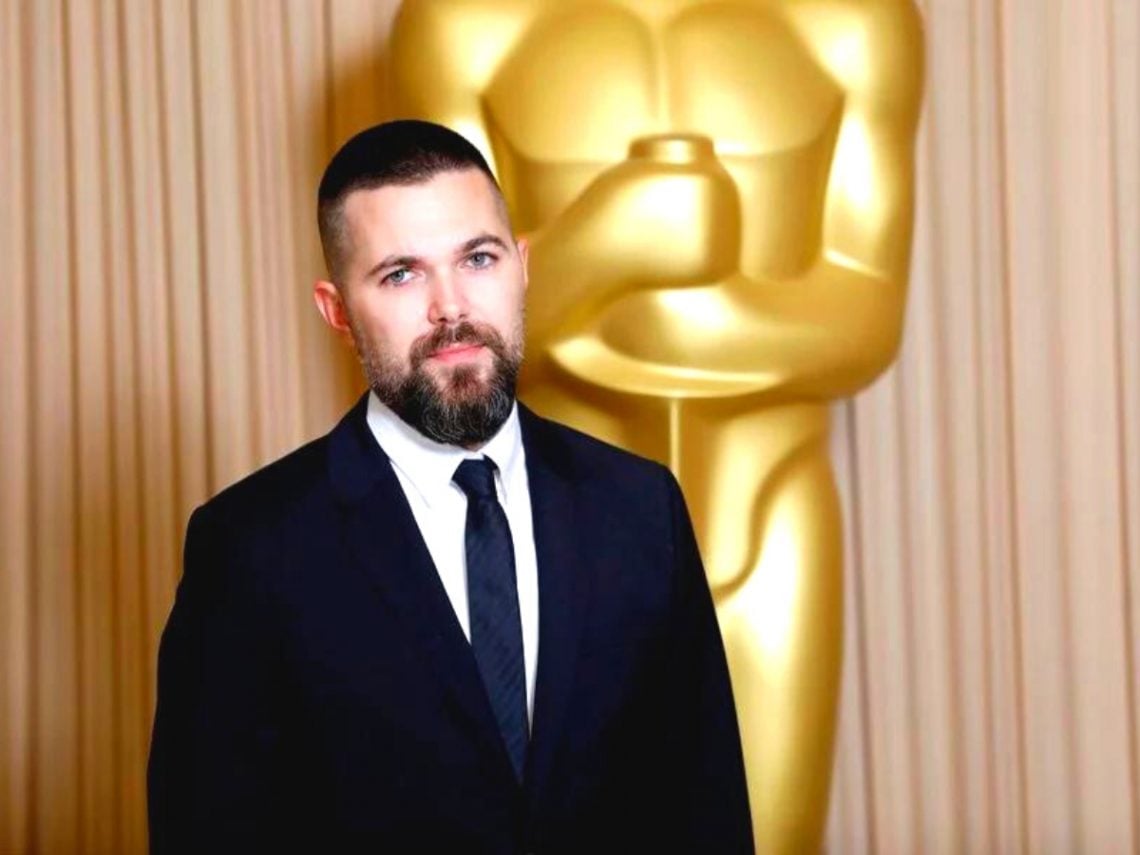
The movie Robert Eggers calls a “masterpiece”

Remaking one of the most important and influential horror movies of all time after suffering numerous setbacks trying to do so presents a daunting task, but Robert Eggers has never been one to shirk a challenge.
After several false starts since first being announced in July 2015, the filmmaker’s reinvention of Nosferatu is deep in post production ahead of a December 2024 release date, a decade-long labour of love and frustration that’s sure to be worth the wait if Eggers’ previous features are any indication.
Famed for incorporating folklore and mythology into character-driven stories that apply realism and accuracy to their respective time periods without skimping on style or substance, The Witch marked a phenomenal breakthrough, before The Lighthouse further displayed his singular style, prior to The Northman proving beyond doubt that he can still deliver when operating under the watchful eye of a major studio and with a blockbuster budget.
When naming the movies he loves to Le Cinéma Club, one of Eggers’ selections was Luchino Visconti’s Death in Venice. The Italian director was a major inspiration on Brian De Palma, too, and his penchant for historical pieces drenched in the stench of decadence and death is applicable to Eggers’ own work.
Adapted from Thomas Mann’s novella of the same name, Visconti’s Death in Venice stars Dirk Bogarde and Björn Andrésen, with the former’s composer Gustav von Aschenbach foregoing a lifetime of repressed emotions after journeying to the titular city, when he encounters the latter’s Tadzio Moes, becoming obsessed with the teenager on holiday his mother.
Visconti regularly courted controversy by dealing in graphic depictions of subjects that were considered taboo at the time, and an older man casting lustful and longing glances in the direction of a teenage boy was no different. Eggers was enraptured, though, reflecting on how “Visconti’s articulation of beauty as god makes this his masterpiece for me.”
Drawn to the costume design, the filmmaker said that “Piero Tosi is always perfect”, with the distinguished Italian famed for his meticulous research and painstaking attention to detail in his chosen profession, something that also applies to Eggers whenever he’s developing and crafting his latest project.
Even before his first movie had even released, Eggers referenced Visconti to Wired as one of the biggest inspirations behind his desire to achieve the utmost authenticity within the context of a heightened fable, along with the Dutch Golden Age of Art, Flemish painters, Stanley Kubrick, Carl Theodore Dreyer, Francisco Goya, classic Hammer horrors, and pamphlets on witchcraft handed out during the Elizabethan era.
It was quite the myriad of influences to wrangle into a 92-minute narrative, but from that point onwards, it was clear that Eggers was going to become known as a voice in cinema that was well worth listening to.
