


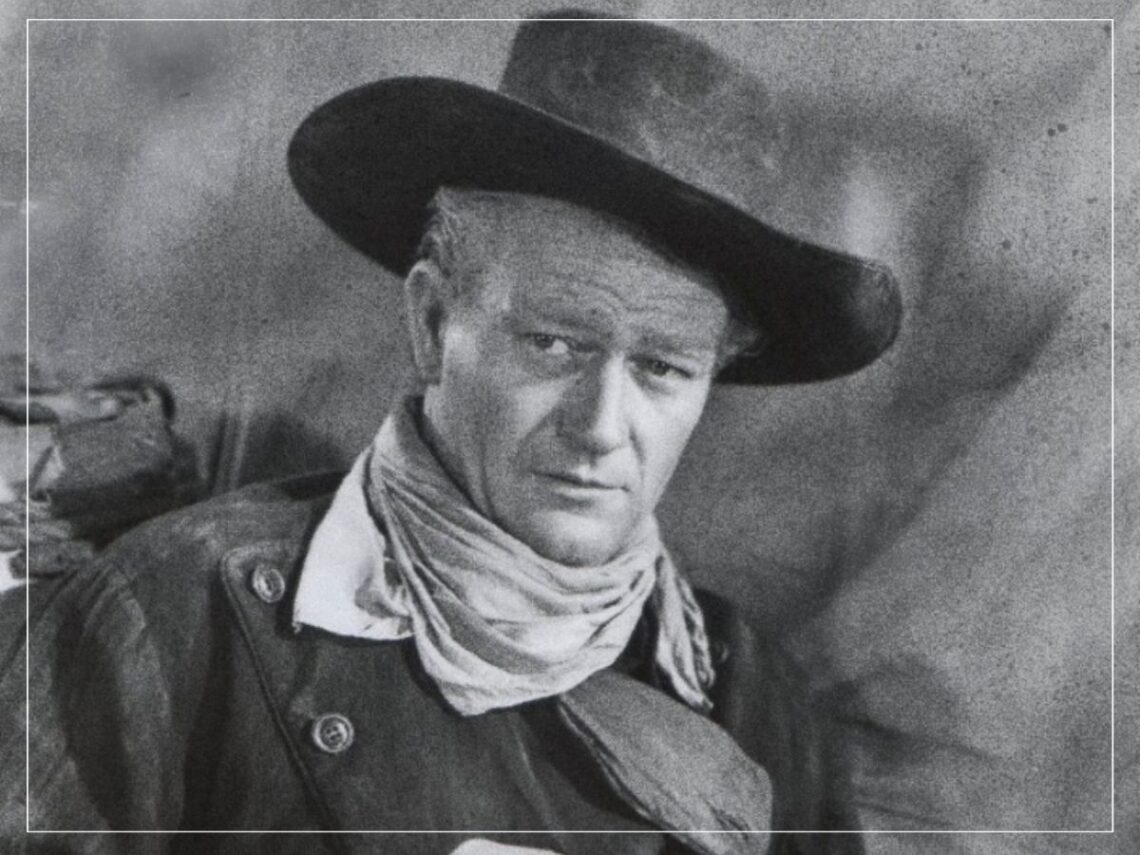
The 1939 movie that robbed John Wayne of the dream role he was promised “they would let me play”

Obviously, 1939 was a breakthrough year for John Wayne, one that finally cemented him as a leading man and a star. However, he made another five pictures that year, but not the one he was promised.
Given what they’d go on to achieve together and how they went down in the history books as one of Hollywood’s most iconic actor/director partnerships, it was only fitting that John Ford would provide ‘The Duke’ with the platform to make his way toward the A-list in Stagecoach.
It was far from the first time the two had worked together, but their first meaningful collaboration was the most important, which must have helped Wayne cope with the crushing disappointment of being promised the closest thing he had to a dream role, only for his eventual arch-nemesis to turn around and plunge a dagger straight into his back.
After signing with Republic Pictures in 1935, he became one of the studio’s go-to guys for B-tier westerns. It wasn’t the most fulfilling work, but he was happy enough just to be working steadily. The company was founded and presided over by Herb Yates, and as instrumental as he was in making ‘The Duke’ a fixture of the silver screen, the relationship between the two of them became irreparably damaged.
17 years after starring in his first Republic film, Ford’s The Quiet Man would be his last. Wayne had been determined to make The Alamo, but Yates shot him down along every step of the way. Having had enough, he vowed that he’d never work for the studio again, which he didn’t, but not before the petty producer rubbed salt into the wound by making his own Alamo flick, 1955’s The Last Command, before ‘The Duke’ could make his.
That wasn’t even the first time Yates had pulled a similar stunt, and when it was time to renegotiate his deal in the late 1930s, a carrot was dangled. “John Ford told me not to take a long-term deal,” Wayne remembered. “I held out for a two-year deal. Then Yates said if I signed for five, they would let me play Sam Houston in a high-budget picture they were getting ready.”
For Wayne, it was the role he’d always wanted. Houston, the military general and politician, was the first president of the Republic of Texas, a key figure in the Texas Revolution, and, as governor of both Texas and Tennessee at different stages, the only person to have governed two different states, with the city of Houston named in his honour.

“If I could choose one person in American history I wish I’d been, I’d choose Sam Houston,” ‘The Duke’ once shared. “He had a philosophy of life I’ve tried to live by. He always wore a ring, a ring his mother gave him. Just a plain gold ring. When he died, they took it off. It had a word inscribed inside: ‘honour’. They put the ring back on his finger before they buried him.”
Needless to say, Yates promising him the part was enough to convince him to sign on the dotted line. Pulling the rug from right underneath him, though, the producer swiftly informed the star that he wasn’t a big enough name to headline a $750,000 production with so much riding on it, with Richard Dix cast as Houston in 1939’s Man of Conquest instead, which earned three Academy Award nominations and left Wayne in the lurch.

Never Miss A Tale
The Far Out John Wayne Newsletter
All the latest stories about John Wayne from the independent voice of culture.
Straight to your inbox.