


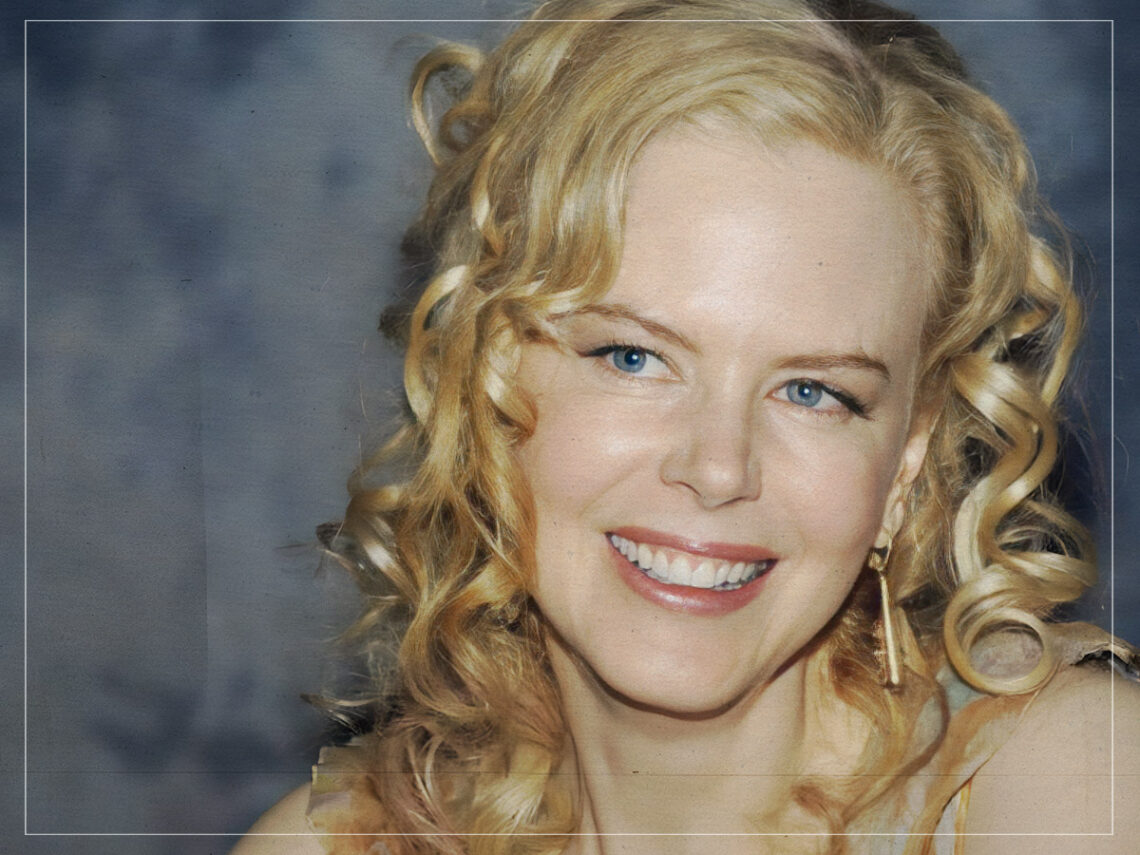
The movie Nicole Kidman was convinced everyone would hate: “We’re just going to get crucified”

Nicole Kidman has always defied expectations with her work, never taking the easy route or creating crowd-pleasing projects. Instead, she chooses to create daring and unexpected films that challenge rather than appease audiences. Naturally, when you’re ahead of the curve, people don’t always appreciate it, and films like Birth and Dogville were initially met with concern and outrage. But Kidman seems detached from this and instead focuses on her own love for the projects, despite expressing worry over the reception towards one film in particular.
Gus Van Sant is similar to Kidman in his evasive creative quality, which makes his work hard to pin down. From the heartwarming tone of Good Will Hunting to the psychedelic style of My Own Private Idaho and the darkness of Elephant, Van Sant has an eclectic style that is defined by reinvention, with an experimental approach to his own personal style.
However, in 1995, the director tested this further with To Die For, a satirical story about a news reporter who is relentless in her quest for success, no matter the cost. Kidman stars as the determined journalist alongside a young Joaquin Phoenix, who starred in the project, which was one of his earliest feature film roles. The film mixes many styles together, existing as part documentary, satire and comedy, with Kidman shooting real interviews that are intercut throughout the story and a deadpan sense of humour.
While the film has a cult following now, Kidman was initially unsure about how it would be received, saying, “To Die For, I remember going to Cannes with that going, Oh no, we’re just going to get crucified—and it was lauded. So at that point you just go, Well, I’ll stick with the love of the film. And everyone else can say and do what they want”.
She added: “If I don’t love it, then that’s me going, Okay, I did the best I could with this, and it didn’t come out how I thought it was going to. But it’s so good when you love a film because then you can take all of the hits or all the accolades and they all layer upon layer into what will be remembered by me”.
Perhaps Kidman was uncertain about how audiences would react to specific elements of the film, such as the predatory relationship that her character has with Phoenix’s character and the existence of a female villain, which wasn’t as popular during the ‘90s.
However, Van Sant created a razor-sharp commentary on our obsession with celebrity culture and fame, critiquing this through the mundanity of suburban life and the oppression of women, with Kidman’s character becoming so disillusioned and uninspired through her marriage that she begins to take drastic measures to find her way into the spotlight and feel seen.
But Kidman’s approach to each creative venture highlights something vital, sharing that she chooses to focus on her love for the film and disregard the voices that contradict that. Ultimately, it is her opinion of her work that matters the most, and it is because of this that she remains undaunted and bold in her choices.
