


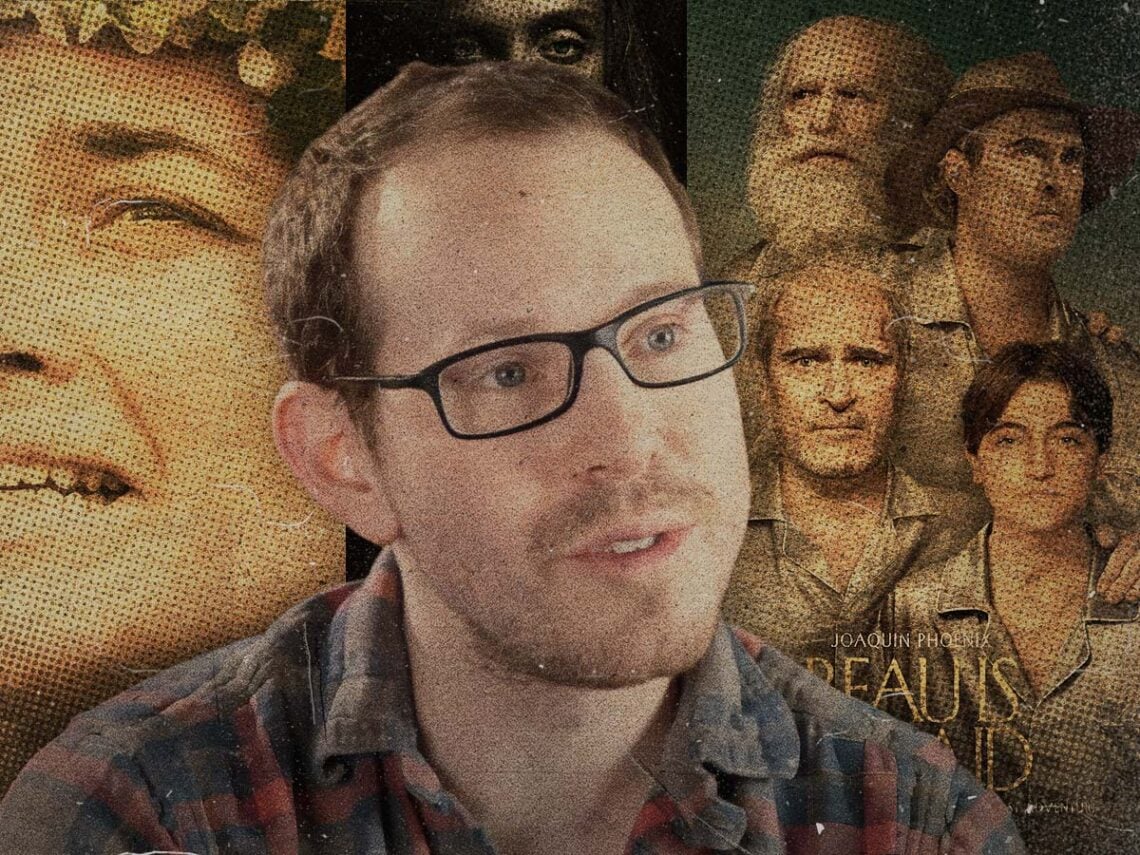
The “most beautiful horror movie ever made”, according to Ari Aster

In the dark realms of contemporary horror movies, few names send shivers up the spine quite like Ari Aster. A genuine master of the more frightening side of the medium of film, Aster has established himself as one of horror’s brightest talents with an unrivalled ability to shock, scare and haunt through his macabre visions of terror.
Beginning with his feature-length directorial debut Hereditary, which arrived on screens in 2018, it became clear that Aster possesses a talent for psychological horror, a distinction that was cemented with his next film, the folk horror Midsommar of the following year. After making a slight change in direction with Beau is Afraid, Aster continues to be one of horror’s biggest names.
As a genuine master of the contemporary horror movie, it’s interesting to learn of where Aster gets his deepest inspiration from and in a feature with A-Frame, the Hereditary filmmaker once named his five favourite horror films of all time, naming one in particular from the realm of Japanese cinema that he considers to be the “most beautiful ever made”.
“There are so many Japanese horror films that I felt compelled to include – from Onibaba to Ugetsu to The Face of Another to Cure – but Kobayashi’s grand anthology might be the most breathtakingly beautiful horror film ever made,” Aster said, offering his praise for Kwaidan, the 1965 Special Jury Prize at the Cannes Film Festival.
The director continued, “Adapted from four of Lafcadio Hearn’s remarkable ghost stories, Kwaidan is ethereal and haunting and possessed of a totally devouring commitment to artifice.” Kobayashi’s film indeed takes a series of tales from the work of Irish-Greek writer Patrick Lafcadio Hearn, also known as Koizumi Yakumo, who introduced Japanese culture and literature to the West.
Kwaidan features four separate and unrelated stories, including ‘The Black Hair’, ‘The Woman of the Snow’, ‘Hoichi the Earless’ and ‘In a Cup of Tea’, that explore the horror of Japanese literature written by Hearn. The film’s title is taken from an old transliteration of the word “kaidan”, which means “ghost story”.
It’s worth noting the other Japanese horror movies that Aster felt compelled to mention, though, getting closer to his overall inspiration and love for the genre. Onibaba is Kaneto Shindo’s 1964 historical horror taking place in medieval Japan, while Ugetsu is primarily a period drama with notes of the ghost story, directed by Kenji Mizoguchi and released in 1953.
The Face of Another is Hiroshi Teshigahara’s 1966 New Wave film telling of an engineer who is given a new face in the form of a mask after suffering severe burns, and finally, Cure is Kiyoshu Kurosawa’s 1997 psychological horror, serving as a progenitor of the explosion of the genre in the late 1990s and early 2000s.
But it’s Kwaidan that Aster seems to admire the most. Check out the film’s trailer below.
