


Call The Police: the moment Stewart Copeland and Sting nearly came to blows

There’s always a particular dynamic that comes with being in a power trio. Even though there are fewer people to worry about, every single member needs to hold up equal power, or else the entire operation collapses in on itself. While The Police had the perfect balance of talent to work out between them, that didn’t mean the tension between Stewart Copeland and Sting.
Tension has always been a critical part of some of the world’s most beloved bands. The dynamics that occur when creative thinking meets practical application ensure that members of any band often find themselves at loggerheads. When you add into the mix the usual cacophony of fame, fortune, narcotics and ego, and being in a band might find you in more arguments than most local magistrates. The Police struggled to escape such an expected issue.
When working on the band’s first handful of songs, it was already clear that Sting would be the primary songwriter in the group. Although Stewart Copeland eventually released solo material under the pseudonym Klark Kent around the same time, he acknowledged that nothing that he ever presented to the band could have measured to what the bassist had been doing.
Although the group had made strides with their musical visions, their willingness to experiment coincided with them becoming one of the biggest acts in the world. While they may have been born out of the same scene that birthed punk and new wave, the band would create massive hits that had a far more melodic framework, like the vocal break on ‘Roxanne’ or the calypso tune in ‘Every Little Thing She Does is Magic’.
Even though Sting had a handle on the melody of every song, there was usually never a reason to critique Copeland about his performances. Becoming a near virtuoso working with a snare and a hi-hat, Copeland developed an innate sixth sense where he would know where the song would be going, tracking B-sides like ‘Murder By Numbers’ often in one pass.
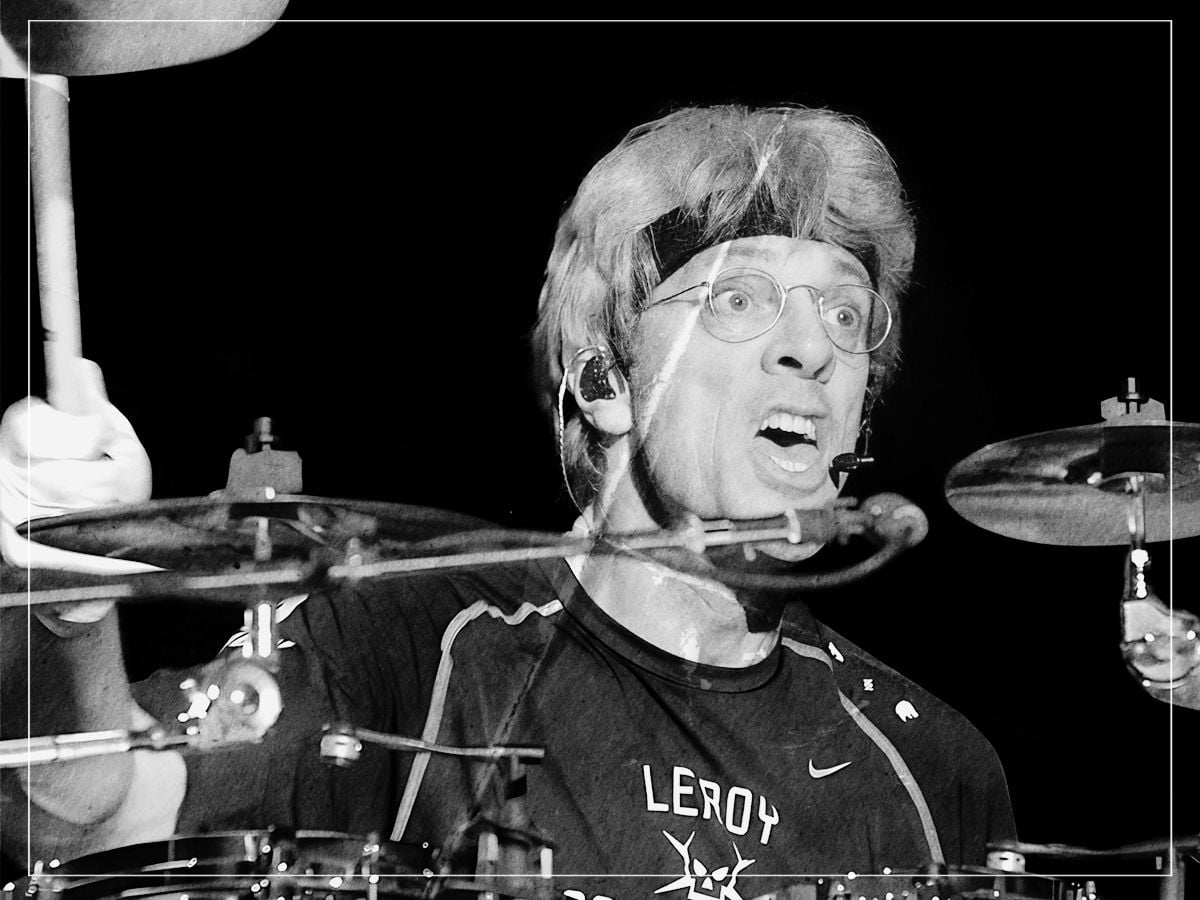
As the group became more successful, though, Sting started to put a little more care into the sonics behind the record, which often extended into the percussion. Although Copeland could typically adapt his kit, he remembered coming dangerously close to starting a fight when Sting dared to ask him about how the drums should be played.
When talking about the tension in the studio, Copeland recalled, “At first, it was collaboration. It became more and more compromise for him — and it got tougher and tougher for him to make those compromises. The times when I came the closest to homicide, the times when it became absolutely critical that I choke the life out of this man, were when he would come over to me and tell me something about the hi-hat”.
Drummers spend so much of their lives hitting things with a serious amount of power that it isn’t difficult to see how they could lose their cool. And, judging by the work of Mr Ginger Baker, they might well be one of the most notorious members of the band. Copeland was an equally potent and powerful collaborator in the studio.
Even though Copeland knew what Sting wanted, it made for a drastic disagreement in the intensity of the song, explaining, “Sting was looking for a beautiful place and to create something serene and moving and, dare I say, intellectual. For me, it’s about burning down the house — it’s a party”. Rather than let the tension fester over a long career, though, the band figured they would cut their losses while they were ahead, folding in the mid-1980s as Sting moved on to a solo career.
Copeland would even come around to what Sting was talking about, making more serene music when he worked on various film scores. While many artists may fall out with each other due to personal differences or massive backstabbings, The Police is one of the few acts where creative differences are the most apt reason for their split.
